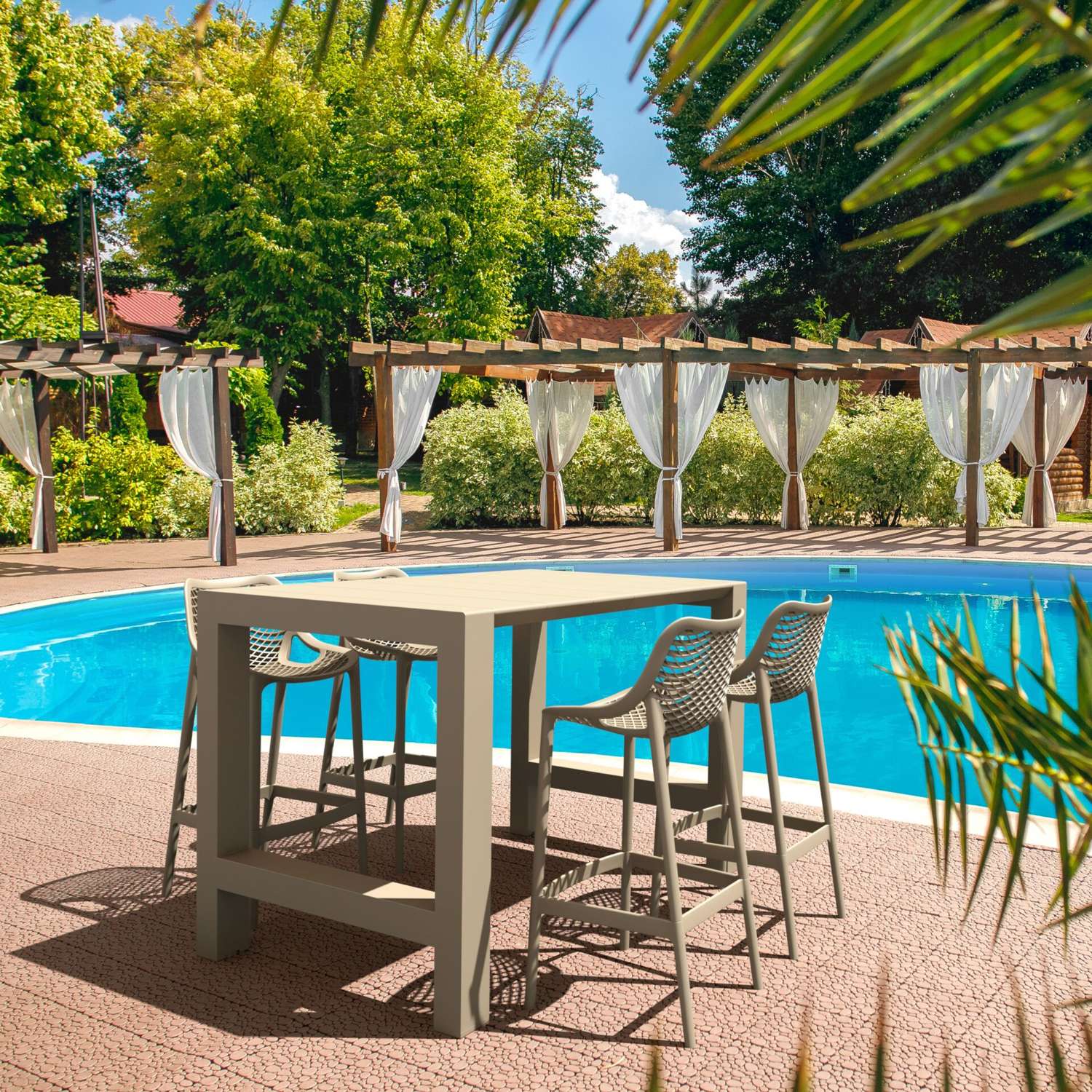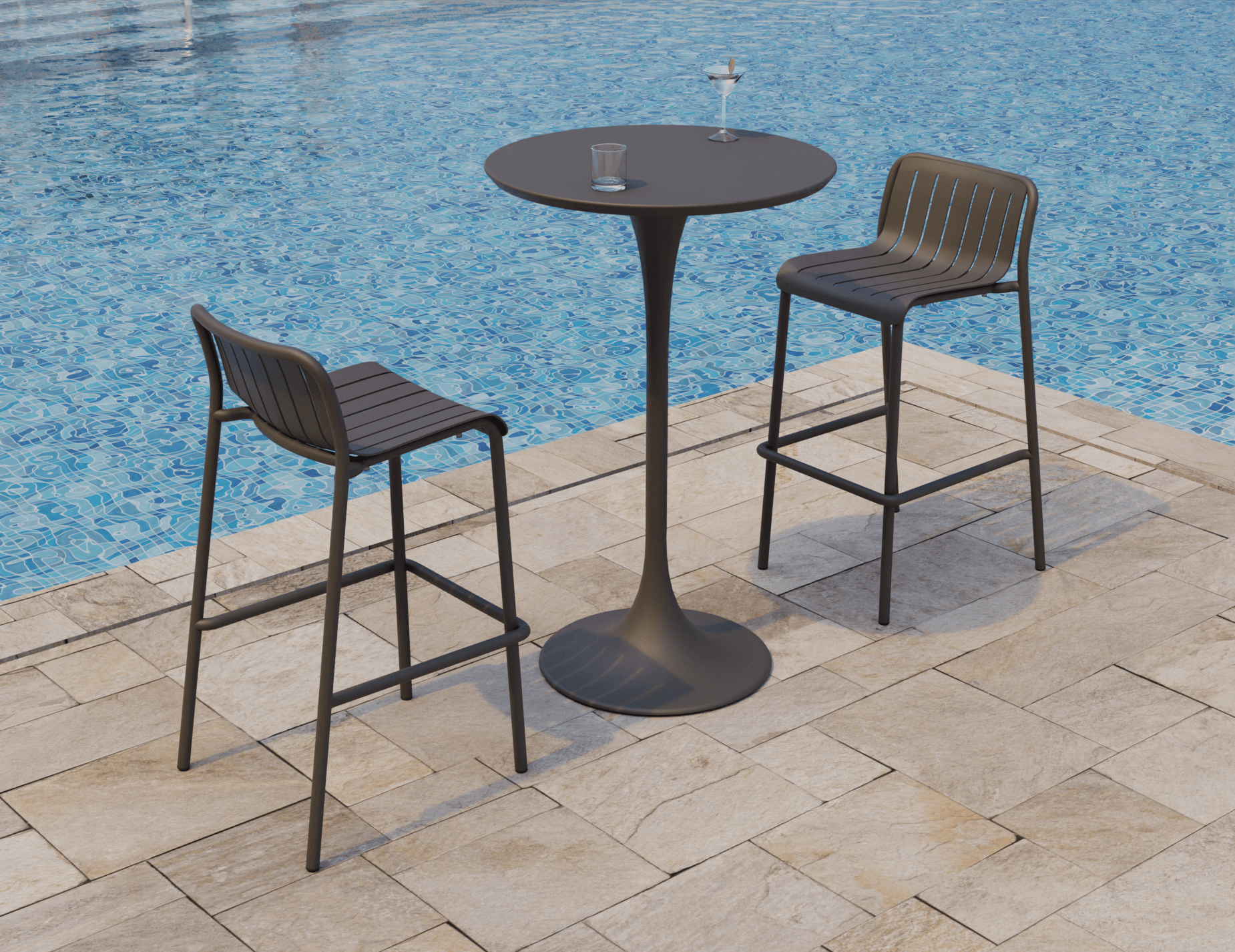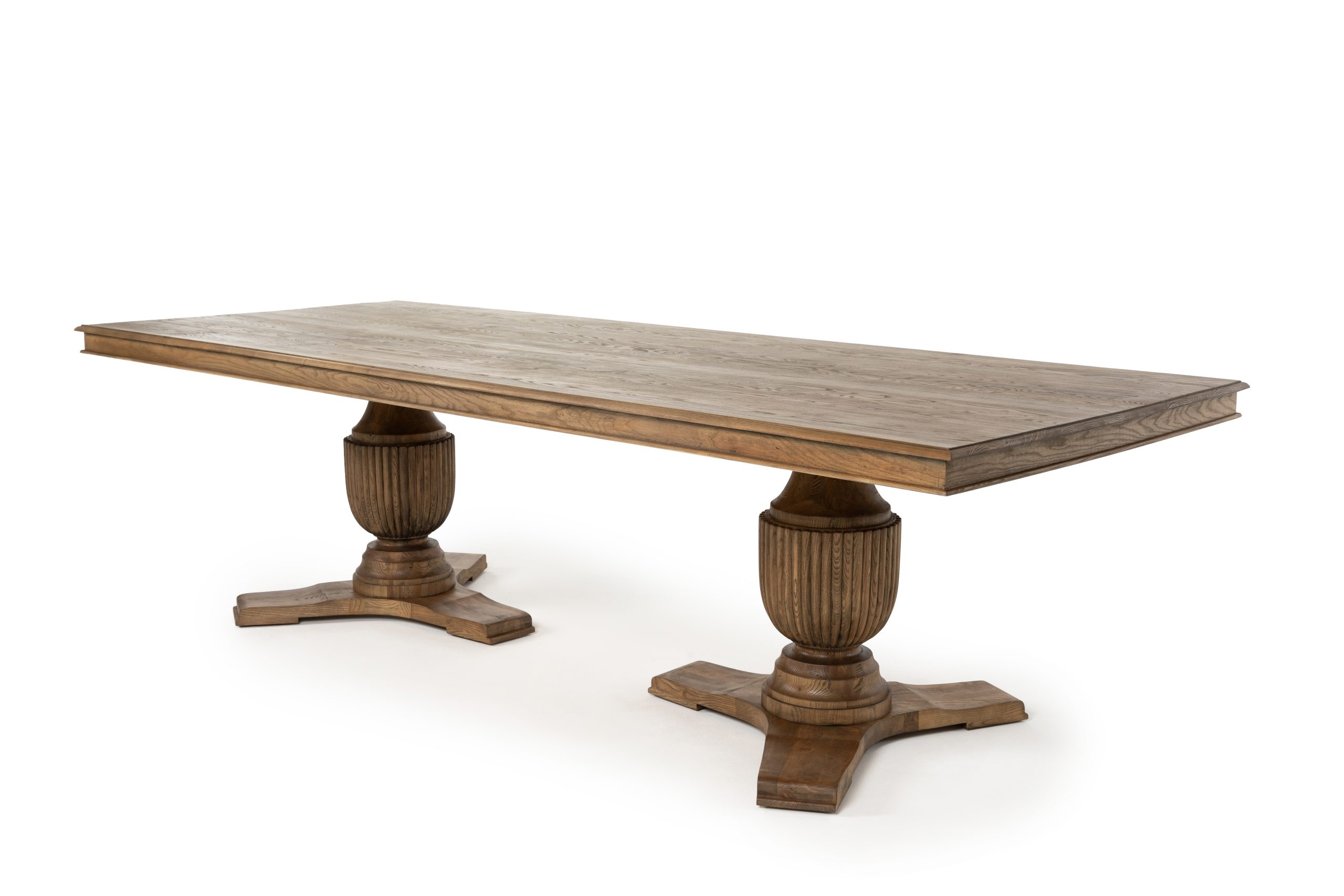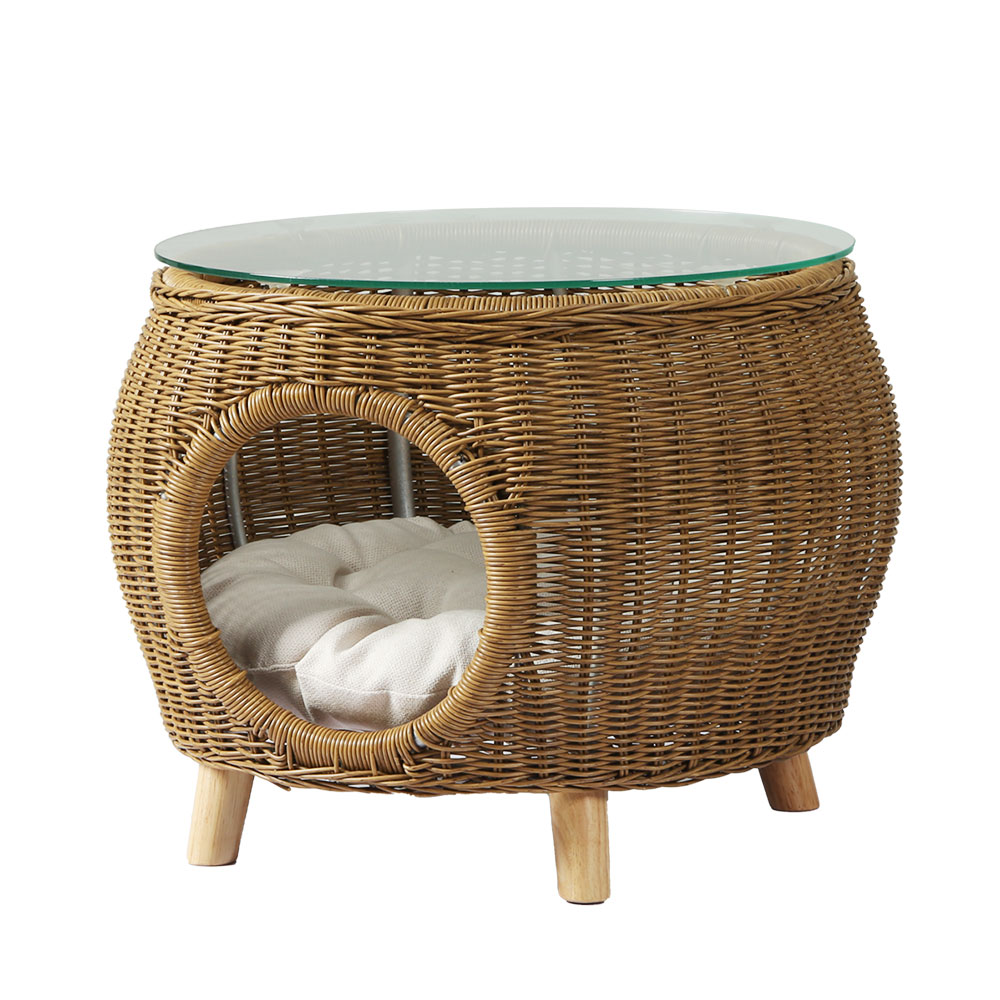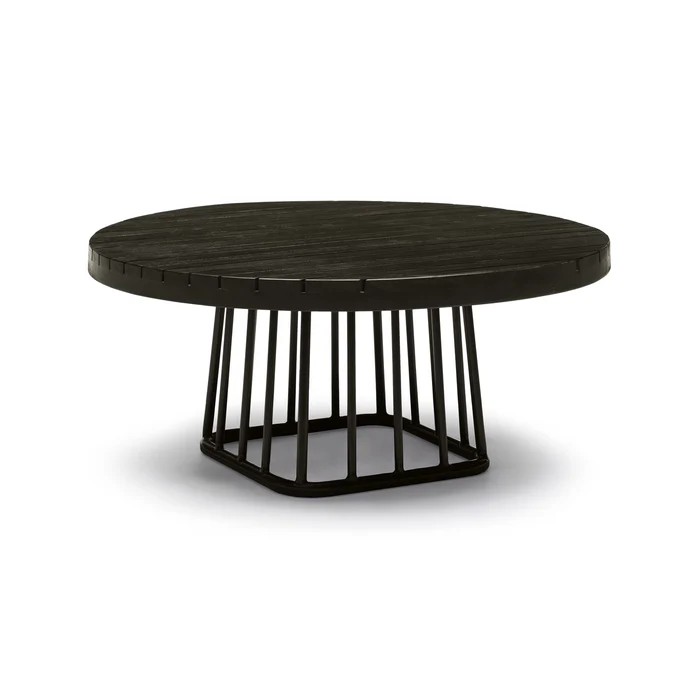


Outdoor furniture has to deal with far more than occasional rain. It may spend years exposed to strong sunlight, humidity, dust, salt, food spills and changing temperatures. Chairs are moved across paving, tables are cleaned repeatedly, and frames are often left outside throughout the seasons.
This makes the choice of material especially important.
Powder-coated aluminium furniture is widely used in gardens, patios, balconies, cafés, restaurants, hotels and poolside areas. It is lighter than steel, easier to maintain than many timber products and available in a broad range of colours and finishes.
However, not every product described as powder-coated aluminium will offer the same performance. The quality of the aluminium frame, surface preparation, coating material, curing process and furniture construction all influence how well it lasts.
When these details are handled properly, powder-coated aluminium can be one of the most practical materials for outdoor furniture.

Why aluminium works so well outdoors
Aluminium has a natural advantage when used outside.
Unlike ordinary carbon steel, it does not develop red, flaky rust. When aluminium is exposed to air, a thin oxide layer forms on its surface. This layer helps protect the metal underneath from further deterioration.
That does not mean aluminium is completely immune to corrosion. Salt, moisture and certain chemicals can still cause staining, pitting or localised damage, particularly around scratches, joints and exposed edges.
Powder coating adds another protective barrier. It separates the aluminium from rainwater, oxygen, pollution and other contaminants that may settle on the furniture.
This combination works particularly well because the aluminium provides a lightweight, corrosion-resistant structure, while the coating improves the appearance and protects the exposed surface.
The result is furniture that can perform well in many outdoor environments without becoming excessively heavy or difficult to maintain.

What powder coating actually does
Powder coating is not the same as painting a frame with ordinary liquid paint.
Before the coating is applied, the aluminium should be thoroughly cleaned and prepared. Oils, dirt, oxidation and manufacturing residue must be removed because they can prevent the coating from bonding properly.
A fine, dry powder is then sprayed onto the metal using an electrostatic charge. The charged particles are attracted to the aluminium and settle across its surface.
The coated frame is placed inside a curing oven. Heat causes the powder to melt, flow and chemically cure into a continuous film.
Once properly cured, the coating becomes hard and firmly attached to the aluminium beneath it. It provides the colour and texture seen on the finished furniture, but it also acts as a barrier against moisture and everyday wear.
Powder coating can produce a smooth and consistent finish without the brush marks, runs or drips sometimes associated with liquid paint.
For outdoor furniture, an exterior-grade polyester powder is normally required. Indoor powders may look similar when new, but they are not always designed to cope with long periods of sunlight, rain and temperature changes.

Greater protection from rain and moisture
Improved corrosion resistance is one of the most important benefits of powder-coated aluminium furniture.
The cured coating limits direct contact between the metal and the surrounding environment. Rainwater, humidity and condensation are less likely to reach the aluminium while the protective film remains intact.
This makes the material useful for uncovered patios, garden seating areas and commercial outdoor spaces where furniture may regularly become wet.
The coating can also protect areas that are frequently touched or cleaned. Without a suitable finish, exposed aluminium may gradually become dull, stained or uneven in appearance.
However, the protection depends on the coating covering the entire frame properly.
Flat sections are generally easy to coat. Welds, holes, corners, cut edges and recessed areas are more difficult. If the coating is too thin in these places, moisture may eventually find a way underneath it.
Furniture construction therefore matters as much as the visible finish. Hollow frames should include drainage holes so that rainwater does not remain trapped inside the tubing. Openings should be positioned and finished carefully rather than left as exposed weak points.
A well-applied coating protects the aluminium from moisture. A poorly designed frame can still allow water to collect in places where damage is more likely to begin.

Better resistance to sunlight and changing weather
Outdoor furniture must cope with sunlight as well as rain.
Ultraviolet exposure gradually affects most finishes. Over time, a low-quality coating may fade, lose its gloss or develop a pale, chalky surface.
Exterior polyester powder coatings are formulated to slow this type of weathering. Higher-performance options, often described as super-durable polyester coatings, can offer better colour and gloss retention in demanding locations.
The quality of the pigment is also important. A strong coating resin cannot prevent premature fading if the pigments used to create the colour are unsuitable for prolonged outdoor exposure.
This explains why two furniture sets may age differently even though both are advertised as UV-resistant.
Colour choice can also affect comfort. Black, charcoal and other dark surfaces absorb more heat in direct sunlight. Exposed armrests or tabletops may become uncomfortable to touch on a hot day.
Lighter colours generally remain cooler, which may make them more practical for furniture placed in open, unshaded spaces.
This does not mean dark powder-coated furniture should be avoided. It simply means the colour should suit the climate, position and way the furniture will be used.

A hard-wearing surface for everyday use
Outdoor furniture is rarely treated gently at all times.
Chairs are pushed under tables, frames are stacked, and legs may come into contact with concrete, stone or decking. In commercial spaces, furniture may be moved and cleaned several times each day.
A properly cured powder coating creates a hard surface that can resist normal abrasion, handling and minor impacts better than many simple painted finishes.
It can reduce the appearance of small marks and help the frame retain a clean, consistent look.
Textured coatings are particularly useful in busy settings. A light texture may disguise fingerprints, dust and minor scuffs more effectively than a smooth, high-gloss finish.
Powder coating should not be described as scratch-proof. A sharp object or strong impact can still cut or chip the surface. Repeated dragging across rough paving may eventually wear through the coating on the feet or lower sections of the frame.
The benefit is not that damage becomes impossible. It is that the furniture receives a tougher and more durable surface for normal daily use.

Light enough to move without feeling temporary
Aluminium furniture is much easier to move than many steel products.
This is useful in almost every outdoor setting. Homeowners may need to rearrange a patio, move furniture while cleaning or place it into storage during severe weather.
For cafés, hotels and restaurants, the benefit is even greater. Staff may move dozens of chairs and tables throughout the day to change the seating arrangement, clean the floor or prepare an area for an event.
A lighter frame reduces the physical effort involved in these tasks.
Low weight does not automatically mean poor strength. A well-designed aluminium frame can provide reliable support without using heavy sections of metal.
Strength depends on several factors, including:
- The grade of aluminium
- The thickness of the tubing
- The shape of the frame
- The quality of the welds
- The position of supporting sections
- The overall furniture design
Powder coating protects the surface, but it does not strengthen weak joints or poorly designed legs.
Very lightweight furniture can also move in strong winds. Pieces intended for exposed balconies, roof terraces or coastal properties should have a stable base and sensible weight distribution.

Less maintenance than many other materials
Powder-coated aluminium furniture is often chosen because it is simple to care for.
Timber may need sanding, oiling, staining or sealing. Painted steel may require treatment when rust begins around a scratch. A sound powder-coated aluminium finish generally needs far less regular work.
For routine cleaning, warm water, mild detergent and a soft cloth or sponge are usually sufficient.
Loose dirt should be removed before wiping the surface. Food, bird droppings, sunscreen and other residue should not be left on the coating for long periods.
Abrasive powders, wire brushes and aggressive solvents should be avoided. They can scratch the surface, reduce the gloss or damage the coating.
In most cases, owners will not need to repaint, polish or apply protective oil as part of normal maintenance.
This can save considerable time in commercial settings. Cleaning a large outdoor dining area becomes easier when the furniture does not require specialist products or regular refinishing.
It is still important to understand the difference between low-maintenance and maintenance-free.
Furniture near the coast or a swimming pool should be cleaned more frequently. Salt and pool chemicals can remain on the frame, especially around joints, feet and fixings.
Regular washing removes these deposits before they contribute to staining or corrosion.
Colours and finishes for different spaces
Powder coating gives designers and furniture manufacturers a wide choice of colours and surface textures.
The frame can have a matt, satin, gloss, metallic or textured finish. Neutral colours such as black, white, grey and bronze are common, but brighter colours can also be produced for restaurants, hotels and residential projects.
This flexibility allows the same material to suit very different environments.
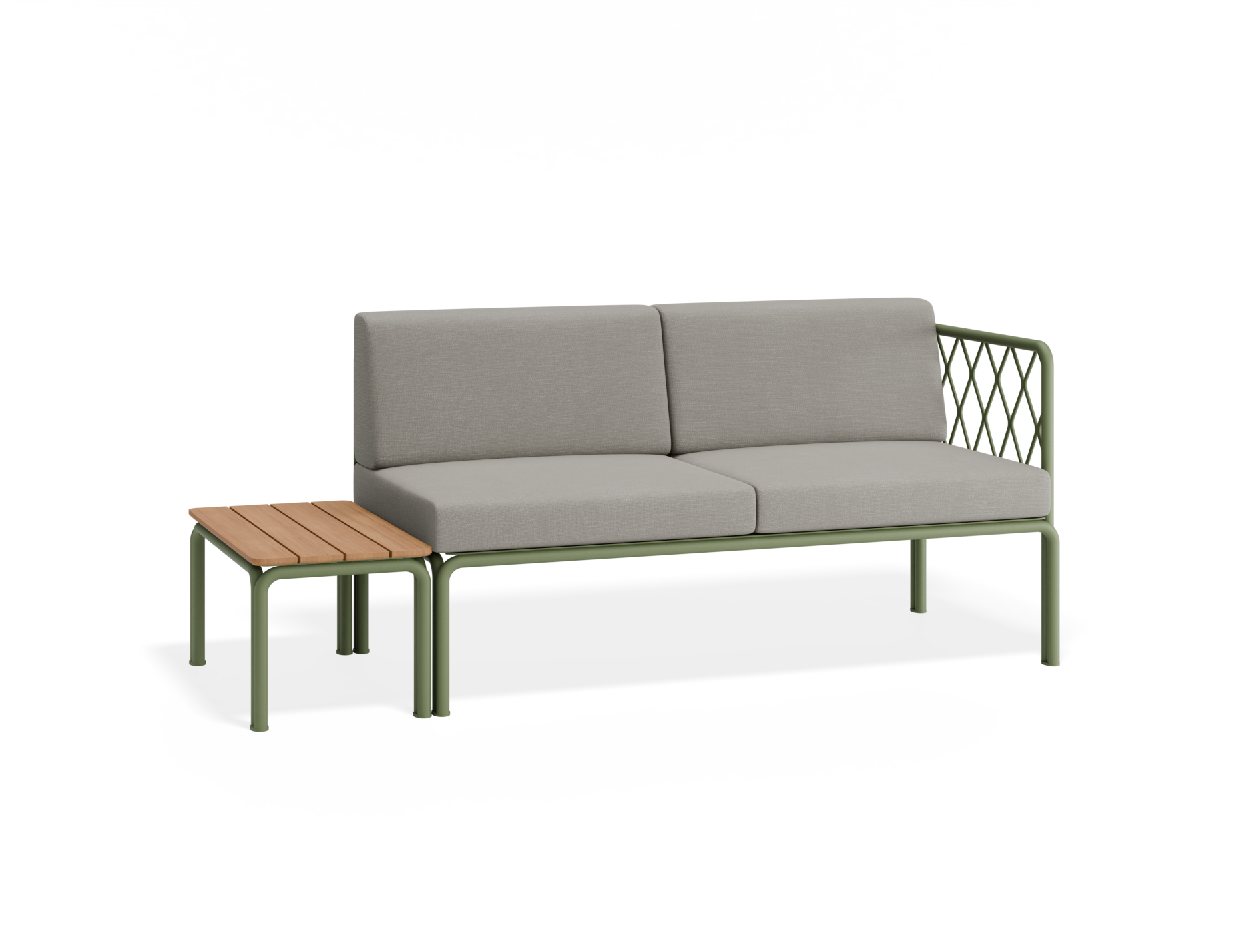
A fine-textured charcoal frame may work well in a modern outdoor dining space. White or muted green may suit a garden setting, while bronze and metallic finishes can create a warmer appearance.
The coating also helps create visual consistency. Aluminium sections, welded joints and formed components may have slight variations before finishing. Powder coating covers these differences and makes the frame appear more uniform.
A textured finish may be practical for areas with frequent handling because it can make fingerprints and light scuffs less noticeable.
Smooth, glossy finishes can look more polished but may show surface marks more clearly.
The right finish therefore depends on more than colour preference. It should also suit the level of use, cleaning routine and surrounding environment.

What determines how long the finish lasts?
A good powder-coated finish may look simple, but several stages are required to produce it correctly.
Surface preparation is one of the most important.
If powder is applied over oil, oxidation or manufacturing residue, it may not bond securely to the aluminium. The furniture may look fine when new, but moisture can eventually enter beneath the coating and cause blistering or peeling.
Manufacturers may use a chemical conversion treatment or controlled pre-anodising before applying the powder. These processes improve adhesion and add further protection to the aluminium.
Curing must also be carefully controlled.
The aluminium needs to reach the temperature specified by the powder manufacturer and remain at that temperature for the correct amount of time. It is not enough for the air inside the oven to be hot. The metal itself must reach the required curing temperature.
An under-cured coating may look complete while remaining softer or less resistant than intended. Poor curing can reduce adhesion, hardness and resistance to chemicals.
Coverage and film thickness also need to be checked.
A coating that is too thin may leave weak areas. A coating that is excessively thick can develop its own defects and is not automatically more durable.
The correct thickness depends on the powder system and the manufacturer’s instructions.
These details are difficult to judge from a photograph or showroom display. A meaningful warranty, clear product information and a reliable manufacturer can therefore be more important than appearance alone.
What happens if the coating is chipped?
Powder coating is durable, but strong impacts can still damage it.
A chip or deep scratch may expose the aluminium beneath the finish. Small marks should be inspected, particularly when the furniture is used in a coastal or poolside environment.
Salt and moisture can enter through damaged sections and begin affecting the area beneath the coating.
One possible problem is filiform corrosion. This can appear as fine, thread-like lines spreading under the finish. It often begins near scratches, holes, edges or areas where the coating has not bonded properly.
Minor damage may be repaired with an appropriate touch-up product. The purpose of the repair is to close the exposed area and reduce further contact with moisture.
A touch-up may not perfectly match the factory finish. The original powder was cured in an oven, while many repair products are liquid coatings. Existing furniture may also have changed slightly in colour or gloss through exposure.
Preventing damage is usually easier than making an invisible repair. Furniture should be lifted rather than dragged and should be stacked carefully so that coated frames do not scrape against one another.

Is it suitable for coastal areas?
Powder-coated aluminium furniture can be used near the coast, but the environment places greater pressure on the finish.
Airborne salt settles on the furniture and collects around joints, fixings, feet and recessed sections. High humidity can keep these deposits damp for long periods.
If the coating has a scratch, thin area or weak bond, salt and moisture may begin to travel underneath it.
Furniture intended for a coastal property should have:
- Exterior-grade powder coating
- Suitable aluminium pretreatment
- Good coverage around welds and edges
- Drainage in hollow frame sections
- Corrosion-resistant fixings
- Clear cleaning instructions
- A warranty that does not exclude the intended location
Regular cleaning is essential. Salt should be washed away rather than allowed to build up on the surface.
The same care should be taken around swimming pools. Chlorinated water, cleaning chemicals and sunscreen residue should be removed regularly.
Powder-coated aluminium can be a strong option for these environments, but no outdoor finish should be assumed to be completely coastal-proof.
How it compares with steel, timber and plastic
Powder-coated aluminium is not the only choice for outdoor furniture. Its value becomes clearer when compared with other common materials.
Steel
Steel furniture can be extremely strong and may feel more substantial. However, it is heavier and can develop red rust when water reaches the metal through chips or scratches.
Aluminium is easier to move and does not rust in the same way. It can still corrode, but it generally requires less effort to handle and maintain.
Timber
Timber offers natural warmth and character. It can also be sanded and refinished when the surface ages.
However, many timber products need regular oiling or sealing. Moisture and sunlight may cause cracking, movement or changes in colour.
Powder-coated aluminium requires less routine treatment, although it cannot reproduce the natural texture of real wood.
Plastic
Plastic furniture is often inexpensive and lightweight. Lower-quality products may fade, become brittle or lose their shape after long exposure to heat and sunlight.
Aluminium normally provides a more rigid frame and a longer-lasting, more refined appearance.
Anodised aluminium
Anodising creates an oxide layer that becomes part of the aluminium surface. Powder coating forms a cured film over the metal.
Anodising offers good abrasion resistance and retains a metallic appearance. Powder coating provides a wider selection of colours and textures and can hide surface variations more effectively.
Neither finish is always better. The right choice depends on the appearance, location and level of wear expected.

Environmental benefits without exaggerated claims
Powder coating has several environmental advantages compared with many solvent-based liquid finishing systems.
The process uses dry powder rather than a traditional liquid solvent carrier. This results in very low emissions of volatile organic compounds during application.
In suitable coating facilities, powder that does not attach to the product may be collected and reused, helping to reduce material waste.
Aluminium is also highly recyclable. It can be recovered and used again without losing the basic qualities that make it useful.
The environmental case becomes stronger when the furniture:
- Contains recycled aluminium
- Remains in use for many years
- Can be repaired rather than replaced
- Can be separated into recyclable components
- Uses replaceable cushions, feet and fixings
Powder-coated aluminium furniture should not be described as having no environmental impact.
Producing primary aluminium requires significant energy. Surface preparation uses water and chemicals, while curing ovens require heat.
The real environmental benefit comes from low-emission finishing, recyclability and the possibility of a long service life.

What to check before buying
The appearance of new furniture does not reveal everything about its quality.
Look closely at the welds, corners, screw holes and underside of the frame. The coating should be even, without visible bare areas, cracks, bubbles or excessive build-up.
Check the stability of the furniture. Sit on the chair or gently apply pressure to the table. The frame should not rock, twist excessively or make noises around the joints.
Hollow legs and frame sections should have suitable drainage holes. Water should not be able to collect inside the furniture after rain or cleaning.
Ask the supplier whether the coating is an exterior-grade polyester. For exposed, coastal or commercial locations, ask whether a higher-performance coating system is available.
It is also worth checking:
- Whether the product is made for residential or contract use
- The type of screws and fixings used
- Whether replacement feet and parts are available
- What cleaning products are recommended
- Whether cushions can be removed or replaced
- What the warranty covers
- Whether fading and coastal corrosion are excluded
The word “powder-coated” should not be treated as proof of quality on its own. It describes the finishing method, not the standard of the complete furniture.
A practical long-term choice
The benefits of powder-coated aluminium furniture go beyond its clean appearance.
It is light enough to move easily, resistant to outdoor moisture and simpler to maintain than many timber or steel alternatives. Powder coating also provides a wide choice of colours and textures while protecting the aluminium beneath it.
Its performance still depends on the quality of the complete product.
Proper surface preparation helps the coating remain attached. Exterior-grade powder improves resistance to sunlight and weather. Correct curing gives the finish its intended hardness, while good frame construction prevents water from collecting in vulnerable areas.
When these details are handled properly, powder-coated aluminium furniture can provide years of reliable service in residential and commercial outdoor spaces.
The term “powder-coated” should therefore be viewed as the beginning of the buying decision rather than a guarantee. A well-made frame, suitable coating system and sensible maintenance routine are what make the furniture a reliable long-term choice.
At Outdoor Furniture Co., these are the same details we consider when supplying outdoor furniture to homes and businesses across Australia. Different climates, locations and levels of use place different demands on furniture, so understanding the materials and finishes is an important part of choosing the right option for each space.

Common Questions About Powder-Coated Aluminium Furniture
1. Does powder-coated aluminium furniture rust?
Aluminium does not develop the red rust associated with carbon steel. However, it can still corrode or develop pitting when exposed to salt, moisture or chemicals, particularly if the coating is damaged or poorly applied.
2. Can powder-coated aluminium furniture be left outside all year?
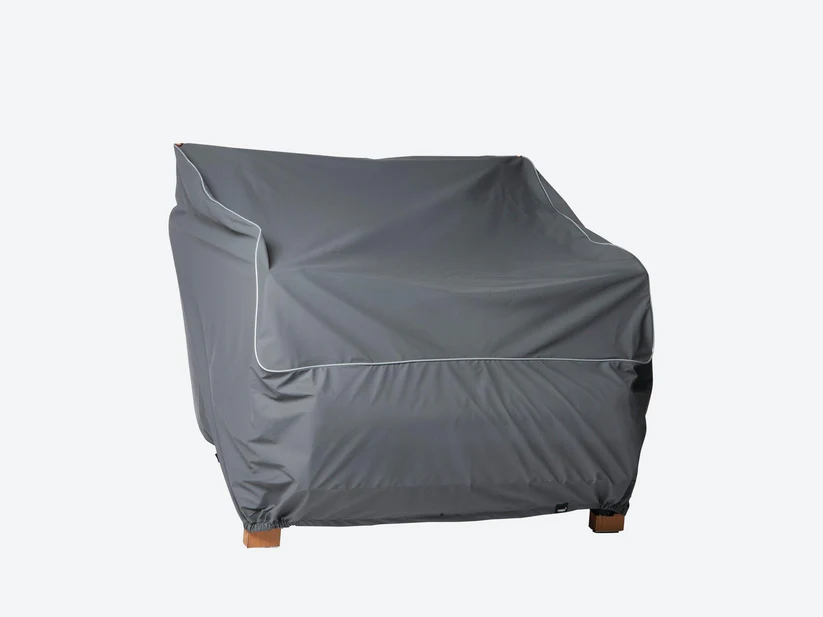
Good-quality powder-coated aluminium furniture can remain outside for long periods, but the manufacturer’s care guidance should always be followed. Covers or sheltered storage can help protect cushions and reduce dirt during severe weather or extended periods of non-use.
3. Does powder coating fade in the sun?
All exterior finishes can gradually change after years of sunlight exposure. Exterior-grade and super-durable polyester powders generally provide better colour and gloss retention than coatings designed for indoor use.
4. Is powder-coated aluminium furniture easy to clean?
Yes. Mild detergent, clean water and a soft cloth or sponge are usually enough for routine cleaning. Abrasive cleaners, harsh solvents and rough cleaning tools should be avoided because they may damage the finish.
5. Can damaged powder coating be repaired?
Small chips and scratches can often be covered with a suitable repair product. However, the repaired area may not perfectly match the original colour, texture or gloss of the factory-applied finish.
6. Is powder-coated aluminium suitable for swimming pool areas?
It can be suitable when the furniture has an appropriate exterior coating and is cleaned regularly. Chlorinated water, sunscreen and pool chemicals should be rinsed away rather than being allowed to remain on the frame.
7. How long does powder-coated aluminium furniture last?
There is no single lifespan that applies to every product. Durability depends on the frame quality, surface preparation, coating chemistry, curing process, climate, maintenance and the amount of physical wear the furniture receives.