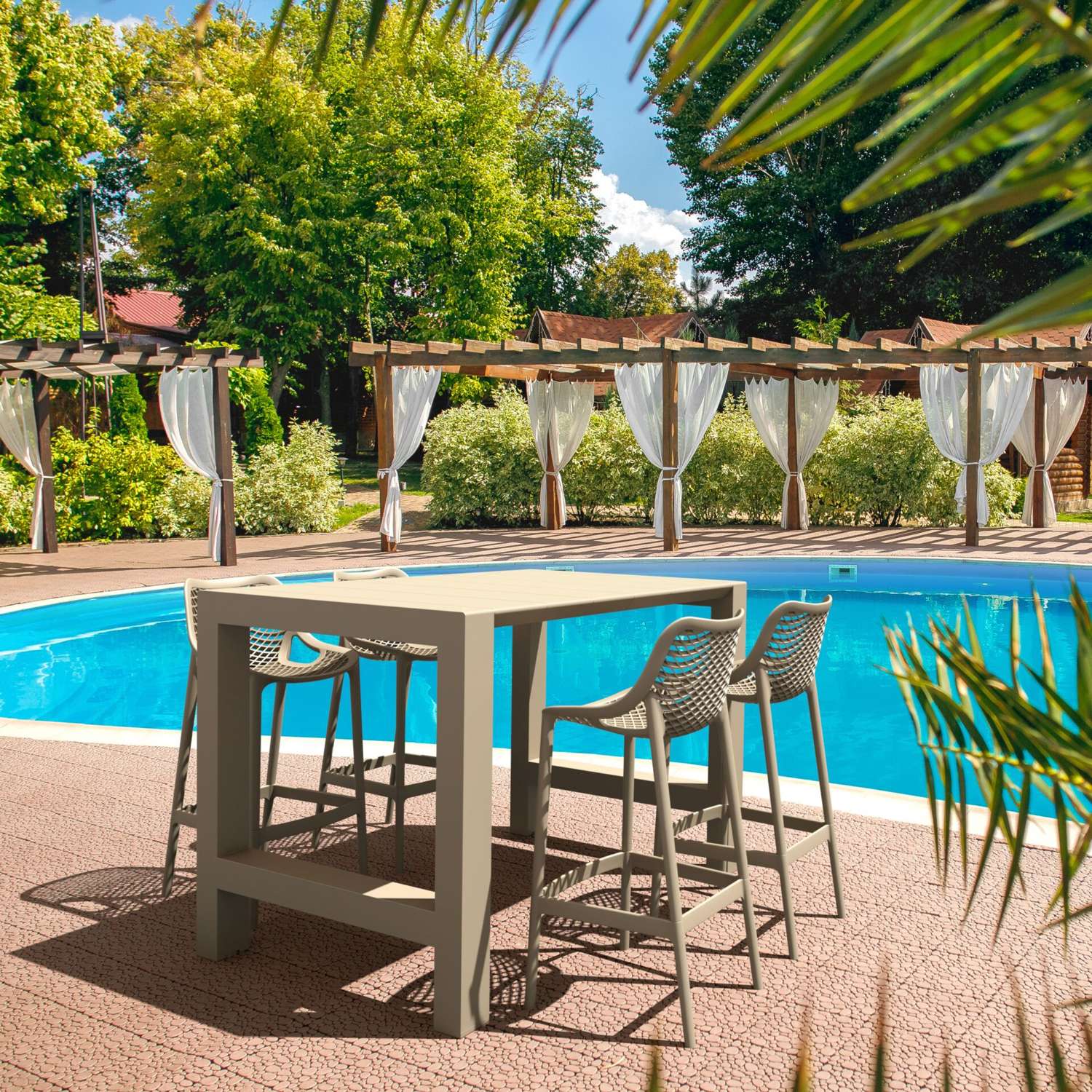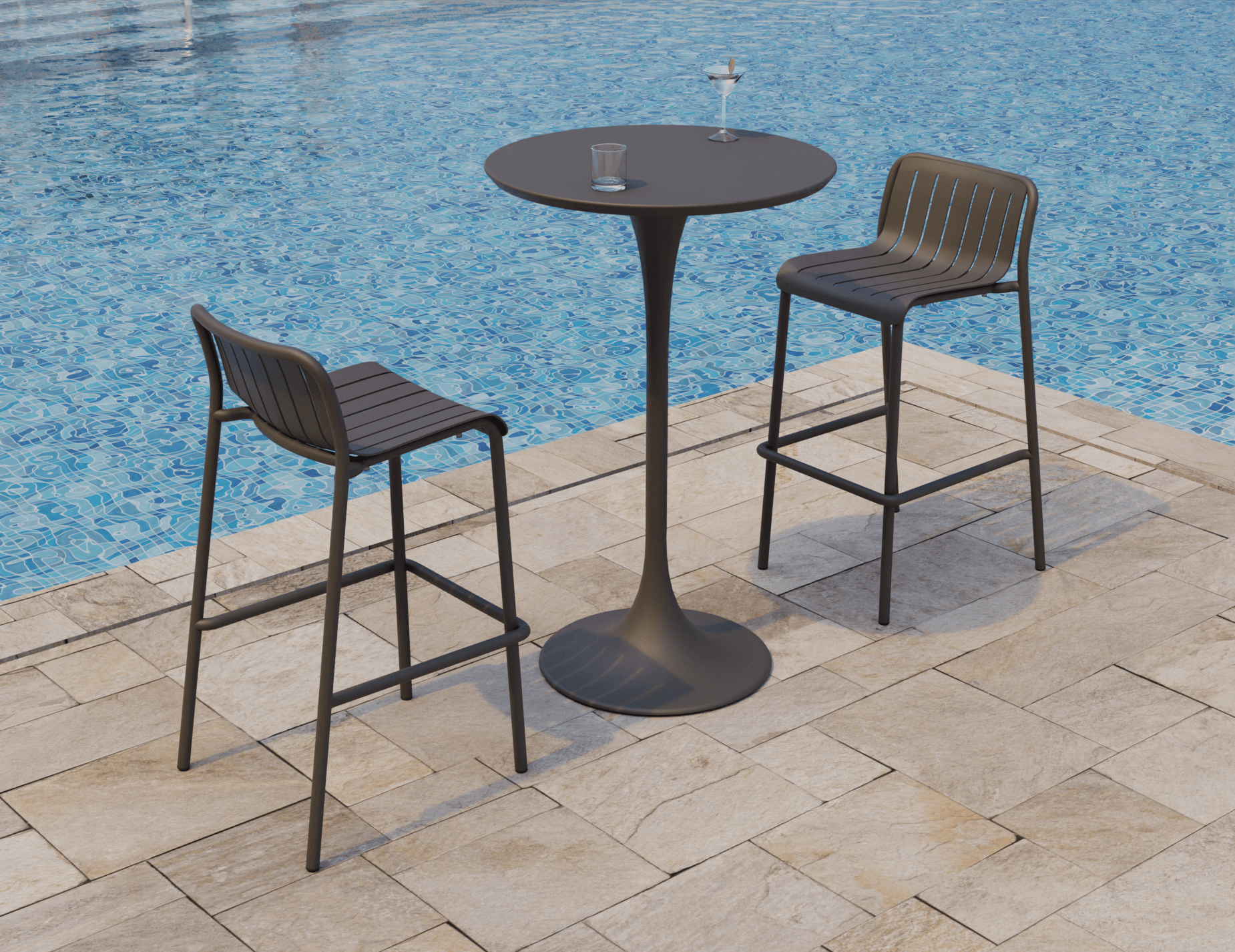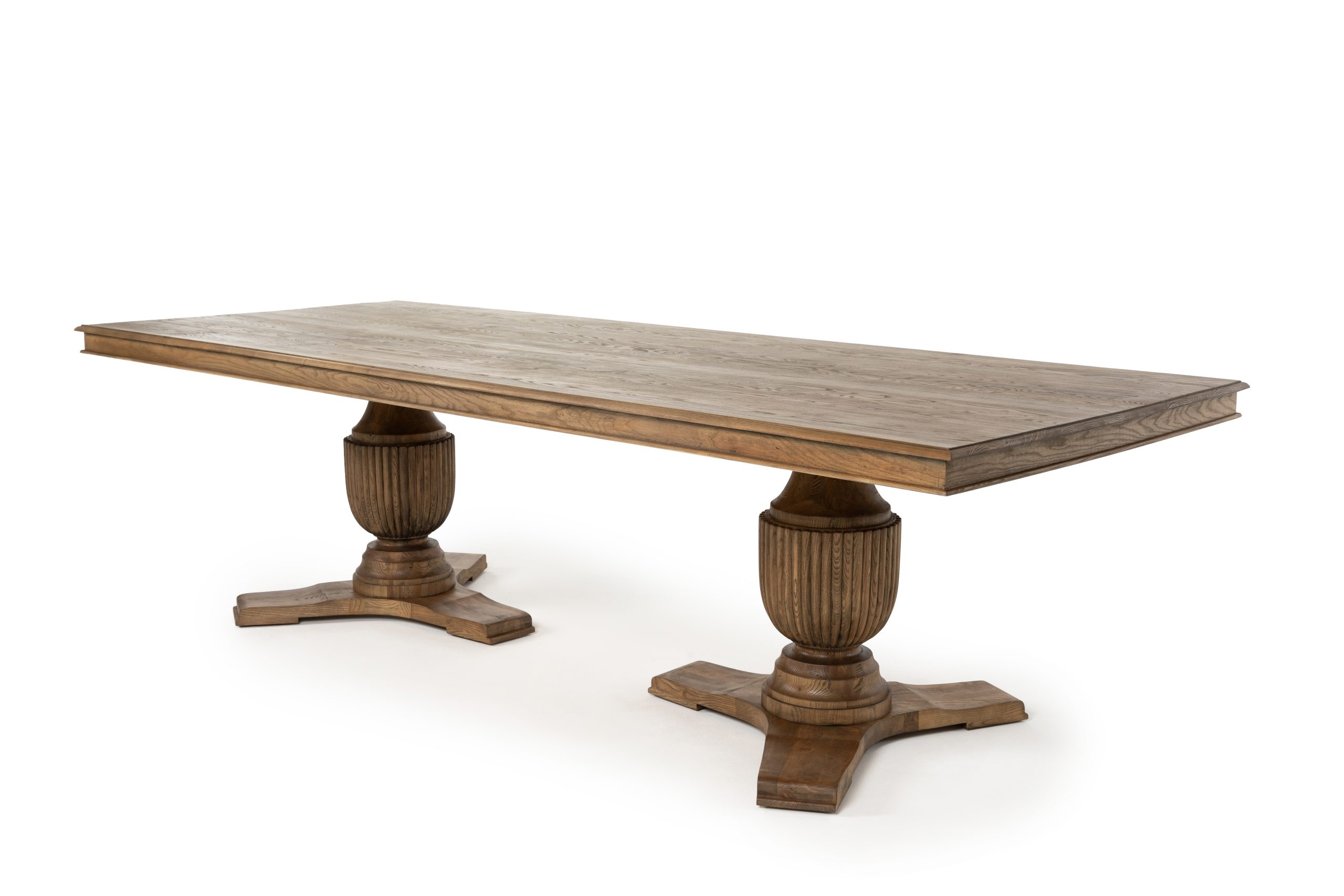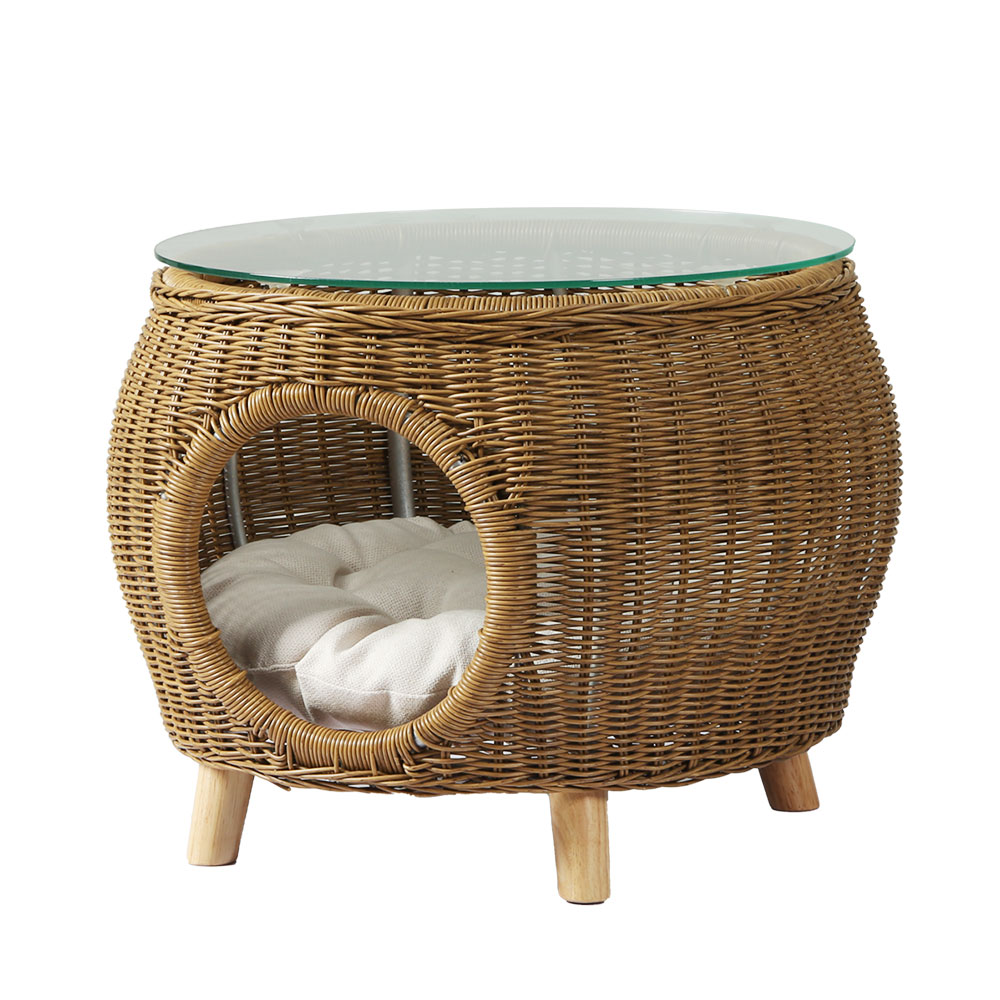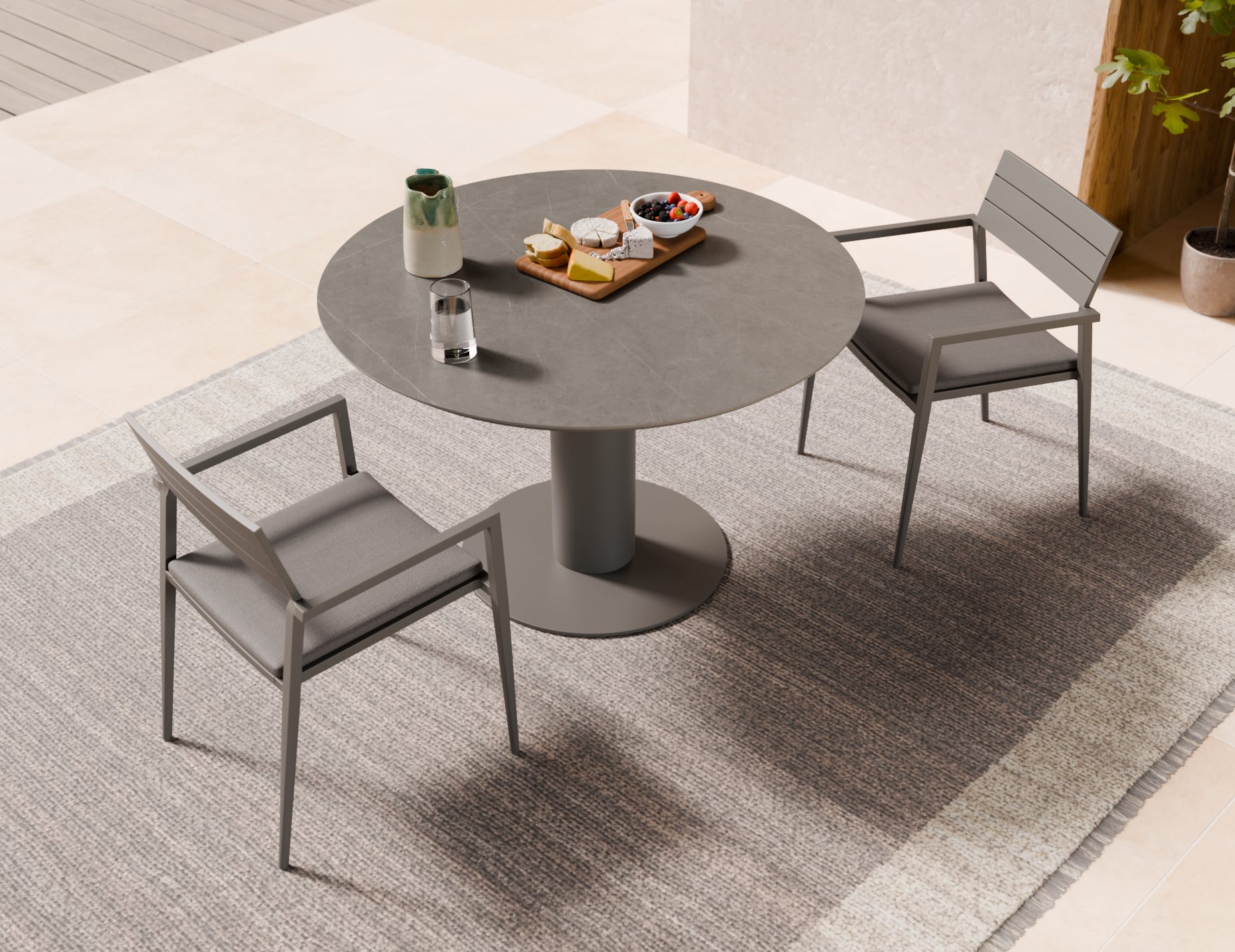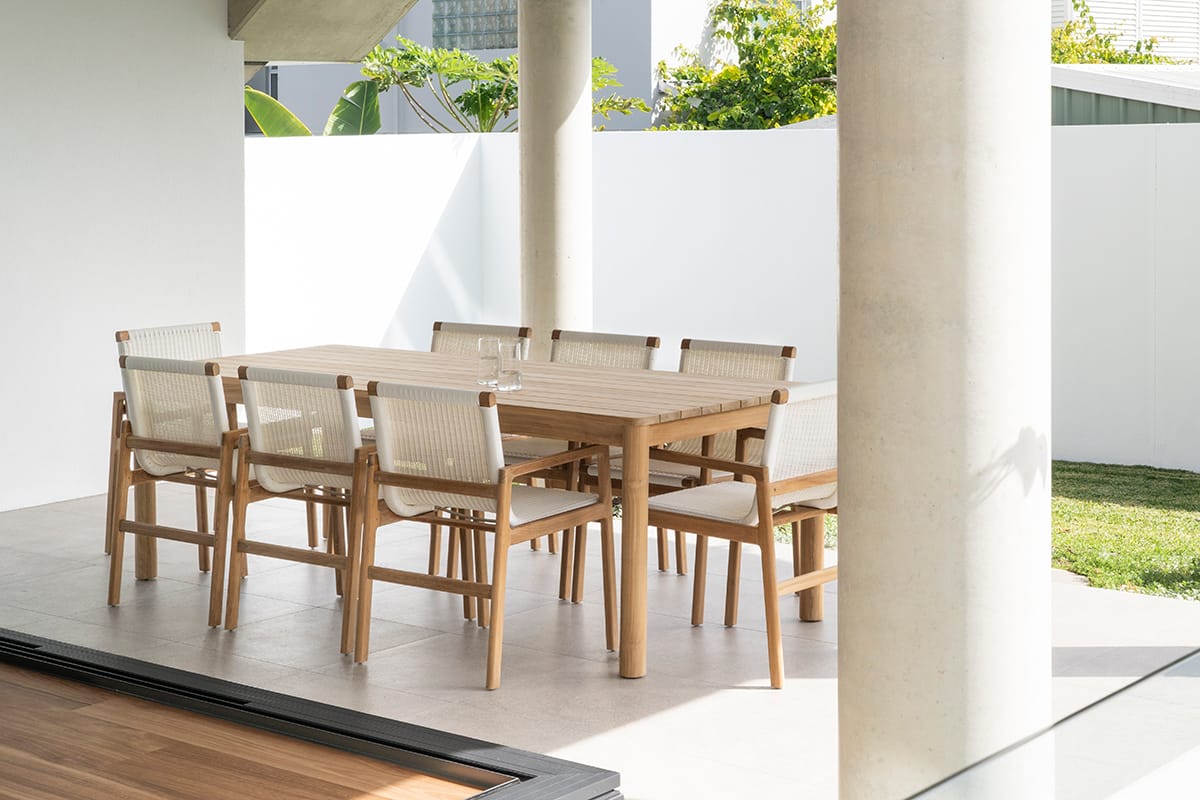


Choosing an outdoor dining setting is not only about colour, shape or the number of seats. In Australia, the material also needs to handle strong sunlight, summer heat, rain, humidity, coastal salt and sudden weather changes.
Two of the most popular choices are aluminium and timber. Both can look attractive and both can last for years, but they react to outdoor conditions in very different ways.
So, aluminium vs timber outdoor dining settings—which is better for Australian weather?
For most uncovered outdoor areas, a quality powder-coated aluminium setting is usually the easier option. It requires less maintenance, does not absorb water and will not crack or warp like timber. However, a well-made timber dining setting can offer greater natural beauty, a warmer feel and better repair options when the correct timber species is used.
The best choice depends on where the furniture will be placed, how much weather it will receive and how much maintenance you are willing to do.

Why Australian Weather Is Hard on Outdoor Furniture
Australia does not have one single type of weather. The conditions in Darwin are very different from those in Melbourne, Hobart, Brisbane or inland New South Wales.
An outdoor dining setting in a covered Melbourne patio may face occasional rain and cold winter moisture. A setting in Cairns may deal with heavy rainfall, high humidity and slow drying. Furniture near the ocean may also receive salt carried through the air.
Before comparing aluminium and timber, it is important to understand the main weather conditions that affect outdoor furniture.
Strong UV Exposure
Australian sunlight can be very harsh on outdoor materials.
Long periods of direct sun can:
- Fade furniture colours
- Break down protective finishes
- Dry the surface of timber
- Cause timber to turn grey
- Make dark furniture surfaces very hot
- Weaken poor-quality coatings over time
Neither aluminium nor timber is completely protected from UV damage.
Powder-coated aluminium can slowly lose some colour or shine, especially if a low-quality coating is used. Timber may fade, dry or develop a silver-grey surface when it remains outside.
Rain and Repeated Wetting
Outdoor furniture does not only get wet once. It may become wet, dry out and then become wet again many times during the year.
These repeated wet and dry cycles can be difficult for timber. Timber naturally absorbs and releases moisture, which means it can expand and contract.
Over time, this may lead to:
- Small cracks
- Raised grain
- Movement around joints
- Warping
- Loose bolts
- Uneven surfaces
Aluminium does not absorb water, but rain can still create problems when it becomes trapped inside hollow frames, around screws or under tabletops.

Humidity
Humidity is an important concern in tropical and subtropical parts of Australia.
When the air remains moist, furniture can take longer to dry. Timber may develop mould or mildew if dirt and moisture stay on the surface. Moisture can also remain around joints, under furniture covers or between timber boards.
Aluminium is generally better at handling humid conditions because it does not swell or absorb water. However, trapped moisture can still affect damaged coatings, steel fittings or poorly designed frame sections.
Coastal Salt
Coastal living is one of the biggest tests for outdoor furniture.
Salt can settle on frames, screws, welds, tabletops and hidden joints. It can also come from saltwater pools, ocean spray and salty air.
Aluminium does not rust in the same way as steel, but it can still corrode. Poor-quality powder coating may blister, peel or allow corrosion to develop around scratches.
Timber itself is not affected by salt in the same way as metal. However, the screws, bolts and brackets used in timber furniture can corrode. Timber may also remain damp for longer in humid coastal areas.
For coastal homes, the quality of the coating, hardware and furniture construction is often more important than the material name alone.

How Aluminium Outdoor Dining Settings Perform
Aluminium outdoor furniture is popular because it is lightweight, modern and easy to clean. It is also available in many colours and styles.
However, not every aluminium dining setting offers the same level of quality.
The frame thickness, joins, coating system, fittings and drainage design can all affect how long the setting lasts.
Does Aluminium Outdoor Furniture Rust?
Aluminium does not contain iron, so it does not develop the red-brown rust commonly seen on untreated steel.
This is one of the main reasons aluminium is used for outdoor furniture.
However, saying that aluminium is “rust-free” can sometimes be misleading. Aluminium can still experience other forms of corrosion.
This may appear as:
- White powdery marks
- Small pits in the surface
- Bubbles under the coating
- Staining around screws
- Corrosion near scratches or damaged areas
Quality aluminium naturally develops a thin protective oxide layer. This helps protect the metal, but the protection can be weakened by salt, pool chemicals, dirt or contact with unsuitable metals.
Aluminium is highly weather-resistant, but it is not completely maintenance-free.

Why Powder Coating Matters
Most aluminium outdoor dining settings are powder-coated.
Powder coating gives the frame its colour and adds a protective layer between the aluminium and the outdoor environment.
A good coating system usually involves more than spraying coloured powder onto the frame. The aluminium should first be cleaned and prepared correctly. The powder must then be applied evenly and cured properly.
A quality coating should cover:
- Visible frame sections
- Welds
- Corners
- Undersides
- Edges
- Areas around holes and fittings
Problems often begin in places that are difficult to see.
For example, a dining chair may look well coated from the front, but the underside of the frame or areas around the welds may have weak coverage.
Low-quality powder coating may:
- Fade quickly
- Chip easily
- Peel away
- Bubble in salty conditions
- Allow corrosion to begin underneath
People living close to the ocean should look for outdoor furniture with a coating system suitable for coastal exposure. A standard decorative coating may not provide enough protection in a beachfront environment.
Aluminium in Direct Sunlight
Aluminium does not dry out, split or warp in direct sun. This gives it a clear advantage over many timber products.
However, the frame may become hot.
Dark colours such as black and charcoal can absorb more heat than lighter colours. Metal also transfers heat quickly, so an aluminium armrest or chair frame may feel uncomfortable when touched after sitting in the sun.
This does not mean aluminium is unsuitable for Australian summers.
Comfort can be improved by using:
- A patio umbrella
- A pergola
- Outdoor cushions
- A lighter frame colour
- A covered alfresco area
Aluminium also cools relatively quickly after it is moved into shade.
Aluminium in Rain and Humidity
Aluminium does not absorb water, so it will not swell when it rains.
This makes it a practical choice for:
- Uncovered patios
- Poolside dining areas
- Humid climates
- Homes with limited furniture storage
- Outdoor areas that receive regular rain
However, the frame should have proper drainage.
Many aluminium settings use hollow frame sections. Small drainage holes allow rainwater to escape. If these holes become blocked, water may remain inside the frame.
Trapped water may affect screws, internal steel parts or damaged coating areas.
It is a good idea to check underneath the furniture and make sure water is not collecting inside the legs or frame.

Screws and Fittings Can Be the Weak Point
A dining setting may have an aluminium frame but still contain steel screws, brackets or internal fittings.
These parts may begin rusting before the aluminium frame shows any major problem.
Stainless-steel hardware is generally a better choice for outdoor use. Coastal settings may require higher-grade stainless steel because salt can damage lower-grade fittings.
Even stainless steel and aluminium need to be joined correctly. When different metals remain in contact in a wet or salty environment, galvanic corrosion can occur.
Buyers should not only ask whether the frame is aluminium. They should also ask what material is used for the bolts, screws and brackets.
Main Advantages of Aluminium Outdoor Dining Settings
Aluminium offers several practical benefits for Australian homes.
It is:
- Easy to clean
- Lightweight
- Resistant to moisture
- Available in many styles
- Suitable for modern outdoor areas
- Unlikely to warp or crack
- Easy to move
- Usually low maintenance
Aluminium can be particularly useful for families who regularly move their outdoor furniture or rearrange their entertaining space.
It is also a good option for people who do not want to sand, oil or refinish their dining setting.

Main Disadvantages of Aluminium Outdoor Dining Settings
Aluminium is not perfect.
Possible disadvantages include:
- Dark surfaces can become hot
- Lightweight furniture may move in strong wind
- Thin frames can dent
- Cheap powder coating may peel
- Deep scratches may expose the metal
- Bent frames can be difficult to repair
- Hidden steel parts may rust
- Coastal settings require regular salt removal
A high-quality aluminium setting can perform very well, but a cheap setting with thin metal and poor coating may not provide good long-term value.
How Timber Outdoor Dining Settings Perform
Timber outdoor dining settings are often chosen for their natural appearance.
They can bring warmth and character to a patio, garden or backyard. Every timber setting has slightly different grain, colour and texture.
Timber can also feel more solid and traditional than aluminium.
However, buyers should be careful with broad descriptions such as “hardwood outdoor furniture.” Hardwood is not one specific material. Different timber species can have very different levels of outdoor durability.
Timber Species Matters
The exact timber species is one of the most important details to check.
Some timber species are naturally durable and can handle outdoor exposure well. Others may require more protection or may not be suitable for permanent exposure to rain.
Common timbers used in outdoor furniture may include:
- Teak
- Spotted gum
- Blackbutt
- Jarrah
- Eucalyptus
- Acacia
- Shorea
- Treated pine
These timbers do not all perform in the same way.
The source of the timber, the age of the tree, the heartwood content, the drying process and the furniture construction can all affect performance.
A seller who only uses the word “hardwood” is not giving the buyer enough information.
Understanding Timber Durability Classes
Australian timber is often grouped into natural durability classes.
These classes give a general idea of how resistant the heartwood is to decay and insects.
Class 1 timber has very high natural durability. Class 2 timber also provides strong outdoor durability. Class 3 and Class 4 timbers are less durable when left untreated and exposed.
However, these ratings should not be treated as a guaranteed furniture lifespan.
A Class 1 timber table can still develop problems when:
- Water is trapped inside joints
- The furniture sits on wet ground
- The end grain is not protected
- Poor-quality screws are used
- The timber contains large amounts of sapwood
- The boards were not dried correctly
- The setting has poor drainage
Material quality and furniture design must work together.
Heartwood and Sapwood
A tree contains different types of wood.
Heartwood is the older inner section of the tree. In naturally durable species, the heartwood usually has greater resistance to decay and insects.
Sapwood is the younger outer section. It may be lighter in colour and often has lower natural durability.
This means that a furniture label showing a durable timber species does not always tell the full story.
A setting made mainly from carefully selected heartwood may perform differently from a cheaper setting containing a large amount of sapwood.
Buyers may want to ask whether the timber is mainly heartwood and whether any sapwood has been treated.
How Timber Reacts to Moisture
Timber is a natural material. It responds to changes in moisture and temperature.
When timber becomes wet, it may absorb some moisture. When the weather becomes hot and dry, that moisture leaves the timber.
This movement may cause:
- Fine surface cracks
- Small gaps
- Slight changes in board shape
- Raised grain
- Loose joints
- Movement around screws
Some movement is normal and does not always mean the furniture is damaged.
However, poor construction can make these changes worse.
A timber outdoor dining table should be designed to release water. Gaps between boards can help rainwater drain away. Rounded edges can reduce water collection, and sealed end grain can limit moisture entry.
Flat surfaces that hold water are more likely to develop problems.
Timber Weathering and Colour Changes
Timber changes colour when it is exposed to sunlight and weather.
A new timber dining setting may have a rich brown, golden or reddish colour. Over time, UV exposure can fade this colour.
When timber is left untreated, it may develop a silver-grey appearance.
Some people enjoy this natural weathered look. Others prefer to maintain the original colour.
The grey surface does not always mean the timber is rotten. It is often a normal result of sunlight and outdoor exposure.
However, the colour may not change evenly. Areas under the table, beneath objects or inside covered sections may remain darker.

Does Timber Need to Be Oiled Every Year?
Not every timber setting needs the same maintenance schedule.
The amount of care depends on:
- Timber species
- Furniture finish
- Direct sun exposure
- Rain exposure
- Local climate
- Desired appearance
- Product instructions
Owners usually have two choices.
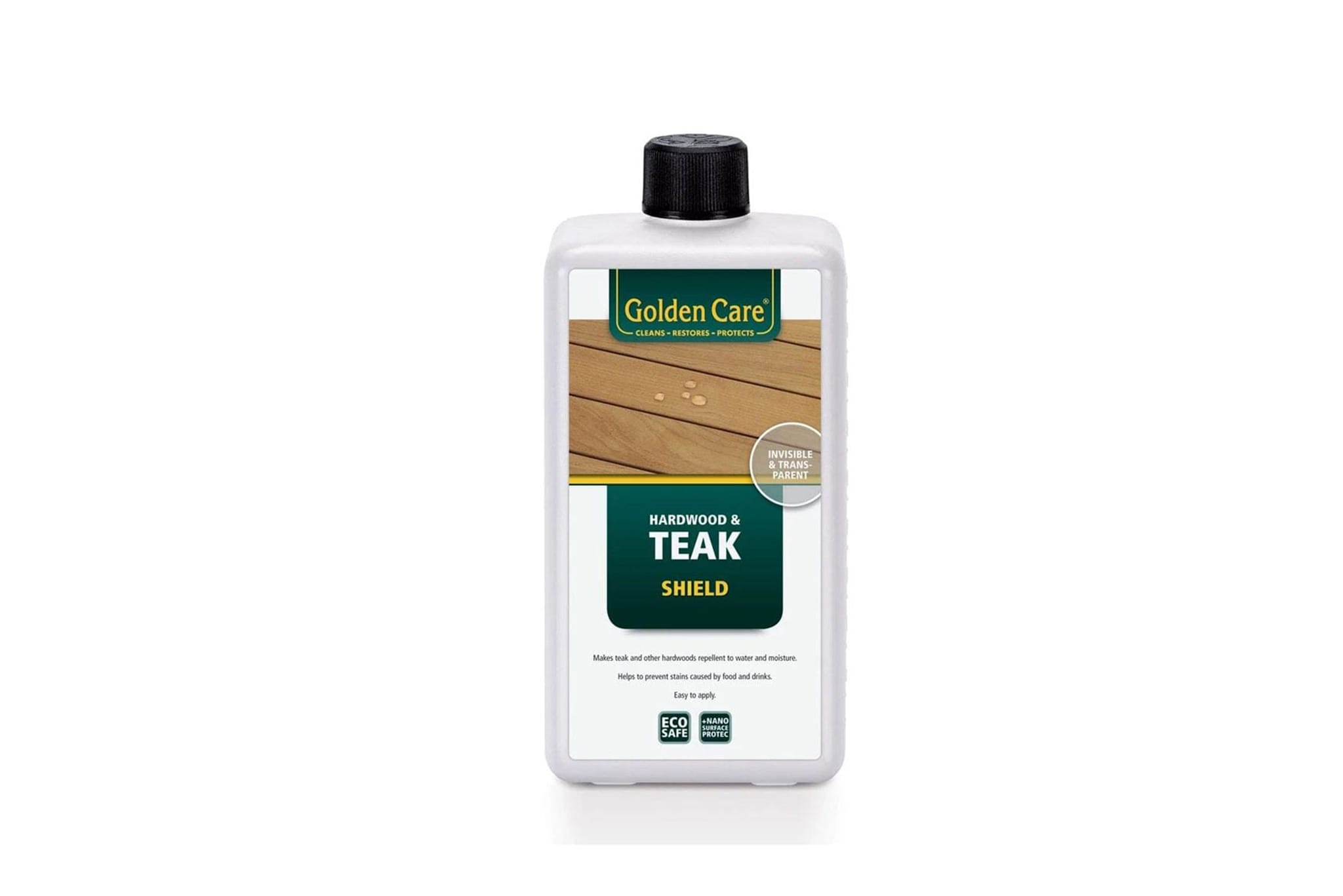
The first option is to maintain the original timber colour. This may involve cleaning, light sanding and applying a suitable oil or outdoor timber finish.
The second option is to allow a durable timber to weather naturally. The timber may turn grey, but the owner may not need to keep applying oil only for colour.
Oiling timber does not automatically make every species weatherproof. It mainly helps protect the surface and maintain appearance.
Too much oil can also create a sticky surface or attract dirt if it is not applied correctly.
Always follow the maintenance advice provided for the specific furniture.
Main Advantages of Timber Outdoor Dining Settings
Timber offers benefits that aluminium cannot fully copy.
Timber is:
- Natural-looking
- Warm and comfortable to touch
- Heavy and stable
- Repairable
- Refinishable
- Suitable for traditional and modern homes
- Available in unique grain patterns
- Able to develop character over time
Small scratches can often be sanded. A faded surface can sometimes be cleaned and refinished. Loose joints may also be repaired.
This repairability can help a quality timber setting remain useful for many years.
Main Disadvantages of Timber Outdoor Dining Settings
Timber generally requires more attention than aluminium.
Possible disadvantages include:
- Colour fading
- Surface greying
- Cracking or checking
- Warping
- Mould in damp conditions
- Regular cleaning
- Possible sanding and oiling
- Heavy furniture weight
- Movement around joints
- Different durability between species
A low-quality timber setting may create more work than expected. Buyers should always check the exact species and recommended outdoor use.

Aluminium vs Timber Outdoor Dining Settings: Direct Comparison
The following table shows the main differences between aluminium and timber.
| Comparison area | Aluminium | Timber |
| Rain resistance | Does not absorb water | Absorbs and releases moisture |
| UV exposure | Coating may fade | Surface may fade or turn grey |
| Warping | Does not warp like timber | May move, warp or check |
| Maintenance | Washing and inspection | Cleaning, possible sanding and oiling |
| Weight | Usually lighter | Usually heavier |
| Wind stability | May move in strong wind | Often more stable |
| Heat comfort | Can feel hot in direct sun | Often feels less hot on contact |
| Coastal use | Needs suitable coating and hardware | Needs durable timber and quality fasteners |
| Repair options | Bent frames can be difficult to fix | Often easier to sand and refinish |
| Appearance | Clean and consistent | Natural and unique |
| Moisture movement | Very low | Natural expansion and contraction |
| Style | Modern and minimal | Warm, natural and timeless |
There is no automatic winner in every category.
Aluminium usually performs better when low maintenance and dimensional stability are the main priorities. Timber often performs better when natural appearance, weight and repairability matter more.
Product quality can also change the result.
A well-made Class 1 timber setting may last longer than a low-quality aluminium setting with weak coating and rust-prone hardware. A quality powder-coated aluminium setting may also outlast poorly dried timber furniture made with weak joints.
Which Material Is Better for Different Australian Climates?
The best material can depend on the area where you live.
Coastal Homes
Coastal homes need furniture that can handle salt, moisture and wind.
Aluminium can work very well near the coast when it has:
- Suitable surface preparation
- A strong powder-coating system
- Quality stainless-steel hardware
- Proper drainage
- Regular cleaning
Salt should be washed away before it builds up around joints and screws.
Timber can also work near the coast, especially when a durable species is used. However, the fasteners must be suitable for salty conditions. The setting should also dry quickly after rain.
For coastal homes, neither material should be selected only by appearance. Coating quality, timber species and hardware are essential.
Tropical Queensland and Northern Territory
Tropical conditions may include heavy rain, humidity, mould and long wet seasons.
Aluminium is usually the easier choice because it does not absorb water or swell. A well-designed frame can dry quickly after rain.
The setting should still have drainage holes, quality coating and corrosion-resistant fittings.
Timber can be used in tropical areas, but a durable species is important. The setting should have good airflow and should not remain covered while wet.
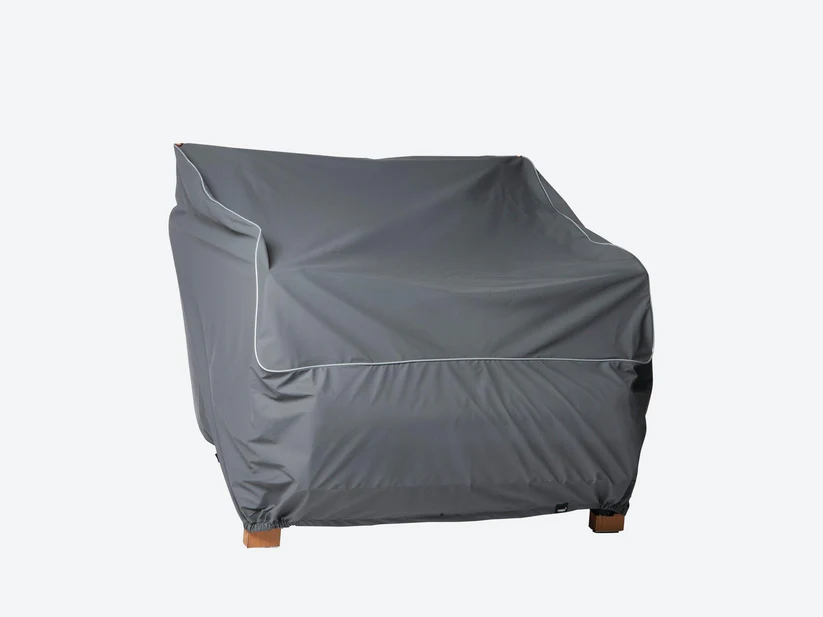
A furniture cover can sometimes trap moisture underneath, which may make mould worse.
Hot and Dry Inland Areas
Inland areas may have intense sun, low humidity and high daytime temperatures.
Timber can dry quickly in these conditions. Repeated exposure may lead to checking, splitting or finish breakdown.
Aluminium remains stable and will not dry out. However, the surface may become very hot in direct sunlight.
A shaded dining area is useful for both materials.
In hot and dry regions, aluminium generally offers easier maintenance and better dimensional stability.
Temperate Southern Regions
Melbourne, Canberra, Hobart and other southern areas may experience rain, cold winters and changing temperatures.
Both aluminium and durable timber can perform well.
Aluminium is practical for people who want minimal maintenance. Timber can also be a good option, especially under a covered patio where direct rain and UV exposure are reduced.
The main concern for timber is repeated wetting and drying. The furniture should not remain damp for long periods.
Covered Patios and Alfresco Areas
A covered outdoor dining area provides a much easier environment for furniture.
Protection from direct rain and strong sunlight can:
- Reduce timber movement
- Slow colour fading
- Protect powder coating
- Lower maintenance
- Improve comfort
- Increase furniture life
Under a covered area, both aluminium and timber can be excellent choices.
Timber becomes more practical because it receives less weather exposure. Aluminium becomes extremely easy to maintain.
The final choice can then be based more on style, comfort and furniture weight.

Which Material Requires Less Maintenance?
Aluminium usually requires less ongoing work.
A normal aluminium maintenance routine may include:
- Washing the frame with mild soapy water
- Removing bird droppings quickly
- Rinsing away salt
- Checking the coating for damage
- Cleaning drainage holes
- Tightening loose fittings
- Inspecting screws for rust
Avoid strong chemicals or abrasive cleaning tools because they may damage the finish.
Timber normally needs more care.
A timber maintenance routine may include:
- Removing dirt and leaves
- Cleaning spills
- Checking for mould
- Inspecting joints
- Tightening bolts
- Lightly sanding rough areas
- Reapplying oil or stain when required
- Keeping furniture feet away from wet soil
However, timber maintenance depends on the look the owner wants.
A person who wants the timber to keep its original colour may need to refinish it more often. A person who accepts a natural silver-grey finish may need less cosmetic maintenance.
Long-Term Cost and Lifespan
The cheapest dining setting is not always the lowest-cost option.
A low-priced setting may need early replacement if the frame bends, coating fails, timber warps or fittings rust.
When comparing long-term value, consider:
- Purchase price
- Warranty
- Frame quality
- Coating quality
- Timber species
- Maintenance products
- Replacement hardware
- Repair costs
- Availability of spare parts
- Expected outdoor exposure
Aluminium may have lower maintenance costs because it does not require oiling or sanding.
Timber may need more care, but it can often be repaired and refinished. A damaged aluminium frame or failed coating may be more difficult to restore.
There is no reliable fixed lifespan for either material.
A setting’s life depends on where it is placed, how it is made and how it is maintained.
Comfort, Appearance and Daily Use
Weather resistance is important, but the dining setting should also be comfortable and practical.
Aluminium is easy to move, which can be helpful when cleaning the patio or changing the furniture layout. However, lightweight chairs may move during strong winds.
Timber is heavier and often feels more stable. It can be useful in open outdoor areas where furniture movement is a concern.
Timber also has a warm and natural surface. Aluminium can feel colder in winter and hotter in direct summer sun.
Cushions can make both materials more comfortable.
For families, smooth powder-coated aluminium is usually easy to wipe after meals. Timber may need quicker cleaning when food, oil or coloured drinks are spilled.
The best appearance depends on the home.
Aluminium suits many modern, coastal and minimal outdoor areas. Timber can suit modern homes as well as traditional gardens, decks and natural landscapes.

Sustainability and End-of-Life Options
Both materials can be responsible choices when they are sourced and used correctly.
Aluminium requires significant energy during primary production. However, it can be recycled many times. Recycled aluminium also requires much less energy than producing new aluminium from raw material.
A long-lasting aluminium setting with recycled content may offer strong environmental value.
Timber is a renewable material, but only when it comes from responsibly managed sources.
Buyers should look for clear information about timber sourcing and certification. Unknown timber sources may be connected with poor forest management.
Timber also has the advantage of repairability. A solid timber chair can sometimes be repaired, sanded or refinished instead of being replaced.
The most sustainable dining setting is usually one that:
- Lasts for many years
- Can be repaired
- Uses responsibly sourced materials
- Has replaceable parts
- Does not need early replacement
What to Check Before Buying an Aluminium Outdoor Dining Setting
Before buying aluminium furniture, ask the following questions:
- Is the complete frame aluminium?
- Are there any hidden steel parts?
- Is the frame powder-coated?
- What preparation is used before coating?
- Is the finish suitable for coastal areas?
- What warranty covers the coating?
- Are the welds fully coated?
- Does the frame have drainage holes?
- What material is used for the screws?
- Are replacement feet and fittings available?
- Is the frame thick enough for regular use?
- Does the tabletop use another material?
The tabletop is important because some aluminium settings use glass, ceramic, timber, plastic or composite tabletops.
Each material may have different care requirements.

What to Check Before Buying a Timber Outdoor Dining Setting
Before choosing timber furniture, ask:
- What is the exact timber species?
- What is its durability class?
- Is the timber mainly heartwood?
- Has any sapwood been treated?
- Is the timber responsibly sourced?
- Has it been properly dried?
- Are the end grains sealed?
- Can rainwater drain from the tabletop?
- What material is used for the screws?
- What finish has been applied?
- How often does it need maintenance?
- Can it stay outside uncovered?
- What does the warranty exclude?
Avoid choosing a setting only because the product description says “hardwood.”
The exact timber species and construction quality provide much more useful information.
Final Verdict: Is Aluminium or Timber Better?
For most uncovered Australian outdoor areas, quality powder-coated aluminium is the safer all-round choice.
It handles rain and humidity well, does not warp and normally requires less maintenance. It is especially suitable for busy households and people who do not want to oil or refinish their furniture.
Timber may be the better choice when natural appearance, weight and repairability are more important. A durable timber setting can perform very well, particularly under a covered patio or when the owner is willing to complete regular care.
Choose aluminium when:
- You want low maintenance
- The furniture will remain uncovered
- You need to move it regularly
- You prefer a modern style
- You do not want to refinish timber
Choose timber when:
- You prefer a natural appearance
- You want a heavier setting
- The furniture will be under cover
- You accept colour changes
- You are willing to maintain the surface
- Repairability is important
For coastal homes, always look beyond the material name. A suitable coating, quality hardware, durable timber and good furniture construction are essential.
At Outdoor Furniture Co., we offer outdoor dining settings for homes, patios, balconies and backyards across Australia. Our range includes practical options for different spaces, styles and weather conditions. Explore our collection and choose a setting that suits your outdoor area, seating needs and preferred level of maintenance. We deliver outdoor furniture to customers throughout Australia.

FAQs About Aluminium and Timber Outdoor Dining Settings
1. Does aluminium outdoor furniture rust?
Aluminium does not develop the red-brown rust found on iron or steel. However, it can still corrode when exposed to salt, scratches, poor-quality coating or unsuitable fittings. Regular cleaning and a quality powder-coated finish can help protect the frame.
2. Can powder-coated aluminium be used near the beach?
Yes, but the powder-coating system should be suitable for coastal conditions. The setting should also use quality fittings and be cleaned regularly to remove salt deposits from the frame, joints and screws.
3. Does aluminium outdoor furniture become hot in summer?
Aluminium can become hot in direct sunlight, especially when it has a dark finish. Placing the setting under shade, choosing a lighter colour and using outdoor cushions can make it more comfortable during hot weather.
4. Can timber outdoor furniture remain outside all year?
Durable timber furniture can remain outside when it is designed for outdoor use. Good drainage, airflow, suitable fasteners and regular cleaning are important. A covered patio can also help reduce weather damage and maintenance.
5. How often should timber outdoor furniture be oiled?
There is no single maintenance schedule for every timber setting. Oiling frequency depends on the timber species, finish, sun and rain exposure, local climate and the appearance you want to maintain. Always follow the care instructions supplied with the furniture.
6. What timber durability class is best for outdoor furniture?
Class 1 and Class 2 timbers generally provide better natural durability for outdoor furniture. However, the timber species, heartwood content, joints, drainage, fasteners and maintenance also affect how well the setting performs outdoors.
7. Is aluminium or timber better for an uncovered patio?
Aluminium is usually easier to manage in a fully uncovered area because it does not absorb water, swell or warp. Durable timber can also be used outdoors, but it normally needs more cleaning, inspection and surface care.
8. Which material is easier to repair?
Timber is often easier to repair because scratched or weathered surfaces can usually be sanded and refinished. Individual timber parts may also be replaced. Bent aluminium frames or damaged powder coating can be more difficult to restore.
9. Which material lasts longer: aluminium or timber?
Both materials can last for many years when they are well made and properly maintained. Quality aluminium may outlast low-grade timber, while durable solid timber may outlast a cheap aluminium setting with weak coating or poor hardware.
10. Is aluminium or timber more environmentally friendly?
The answer depends on sourcing, recycled content, lifespan and repairability. Responsibly sourced timber is renewable, while aluminium is highly recyclable. A durable setting that can be maintained and used for many years is generally the better long-term choice.