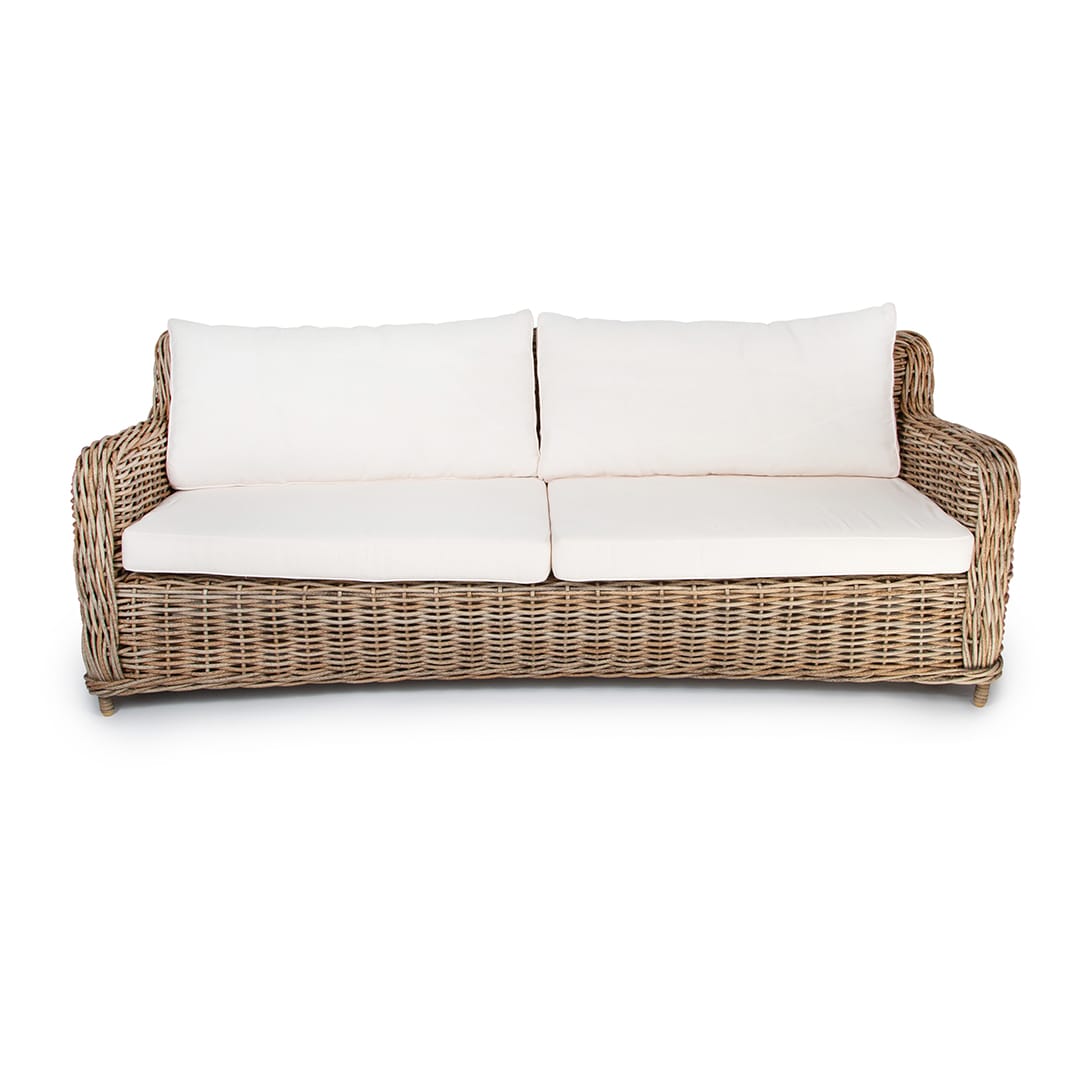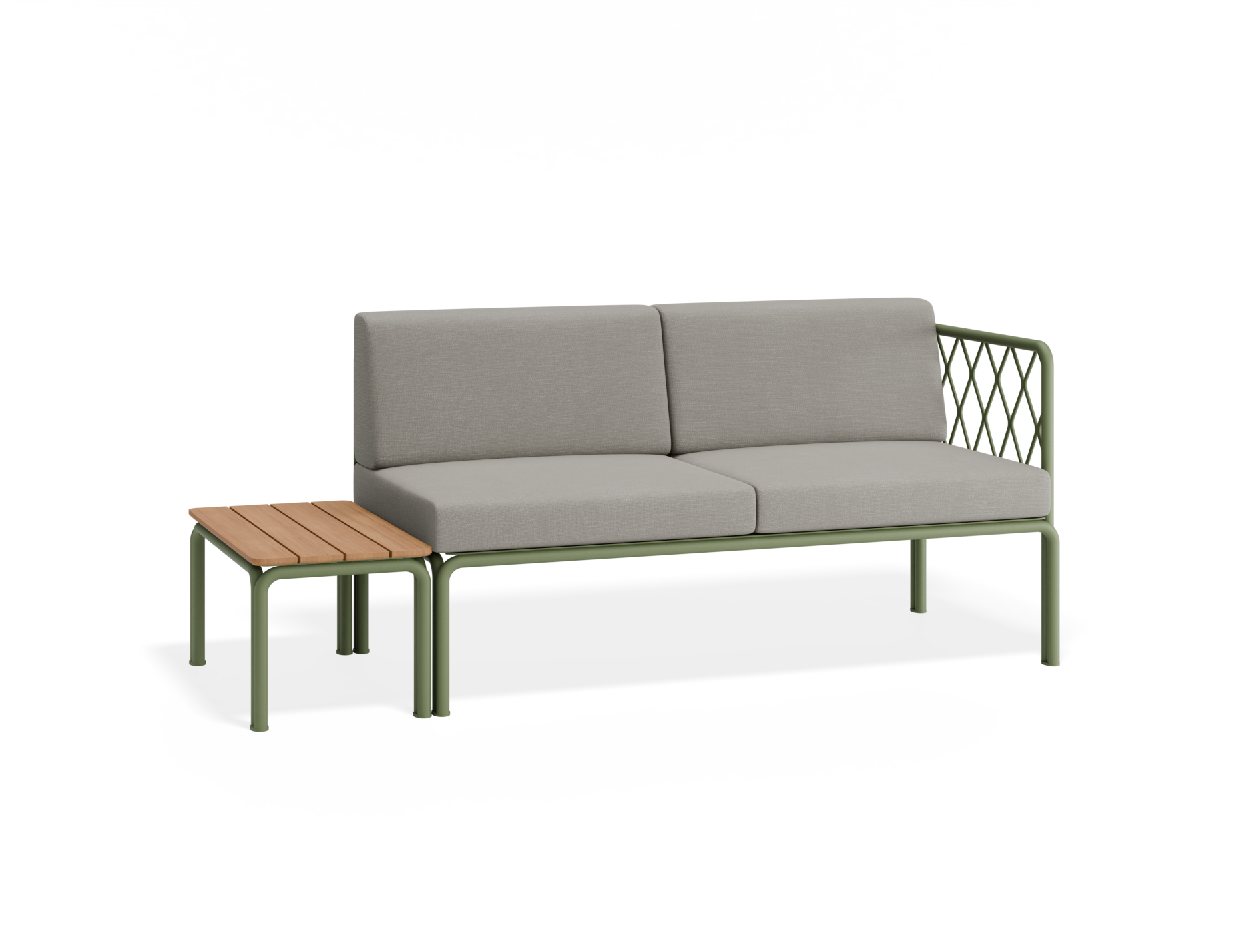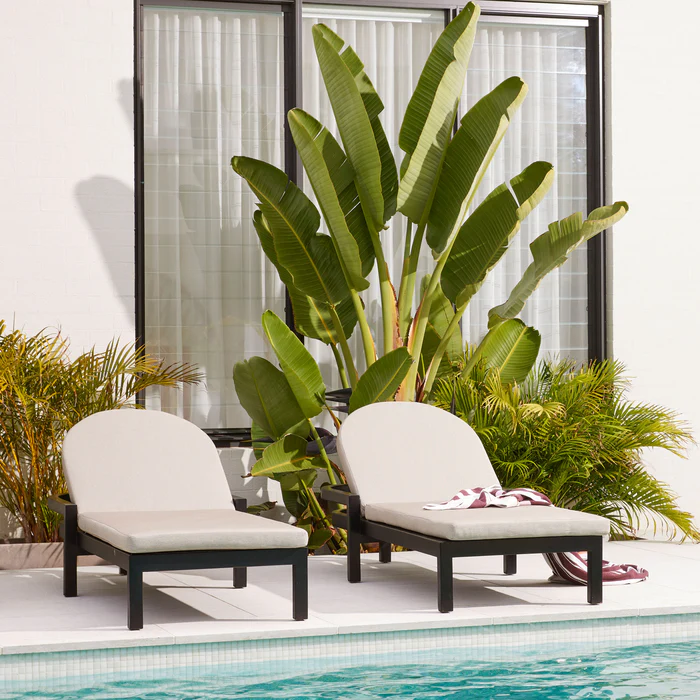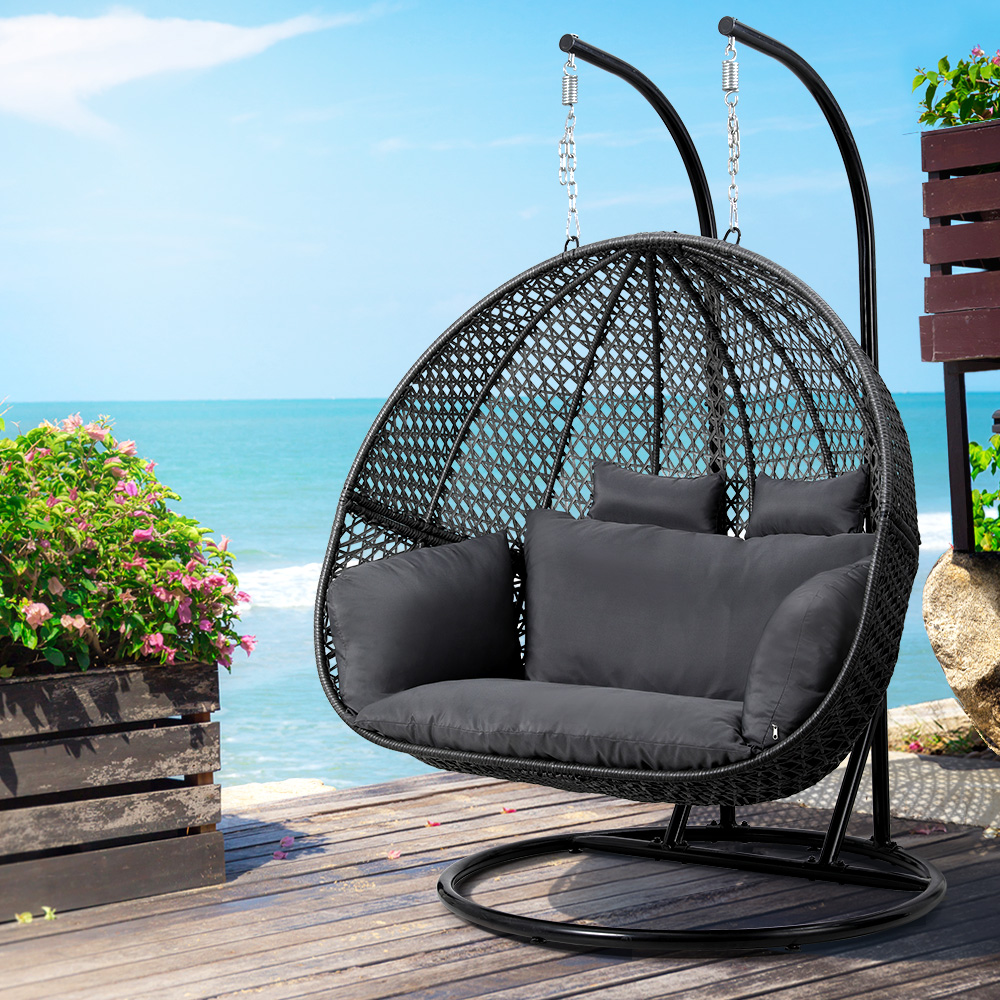


Outdoor living has changed a great deal in recent years. For many households, the garden is no longer just a patch of lawn or a place for a few folding chairs in summer. It has become an extension of the home: somewhere to relax after work, share meals with family, entertain guests, or simply enjoy a quiet hour in the fresh air. As outdoor spaces have become more important, the furniture people choose for them has become more important too.
That is why the choice between a modular outdoor lounge and a fixed lounge setting deserves more thought than it often gets. On the surface, both can look stylish, comfortable and welcoming. In a showroom or online image, either option may seem like it would do the job perfectly well. Yet once the furniture is in place and part of daily life, the difference becomes much clearer. One may suit the space beautifully and feel easy to live with it. The other may feel awkward, oversized, harder to maintain, or simply wrong for the way the area is used.
The real decision is not about following a trend. It is about deciding how you want your outdoor space to work, how much flexibility you truly need, and what sort of ownership experience you want over the years ahead. A modular lounge can offer freedom, adaptability and a relaxed, modern feel. A fixed lounge setting can offer structure, balance and simplicity. Neither is automatically the better choice. The best option depends on the shape of the space, the lifestyle of the household, the local climate, the quality of the materials and, just as importantly, how people actually live once the furniture arrives.
Many buyers make the mistake of choosing with their eyes alone. They focus on colour, shape and first impressions, but give less thought to the practical details that matter later. Does the furniture fit the patio without swallowing all the walking space? Do the cushions cope with damp weather? Will the seating still suit the family in two years’ time? Does the layout make entertaining easier or more complicated? These are the points that shape long-term satisfaction.
A well-chosen outdoor lounge should make life easier and more enjoyable. It should feel comfortable, look at home in the garden, cope with the conditions around it, and match the way the space is actually used. The choice between modular and fixed seating is really about finding that balance.

Understanding the difference
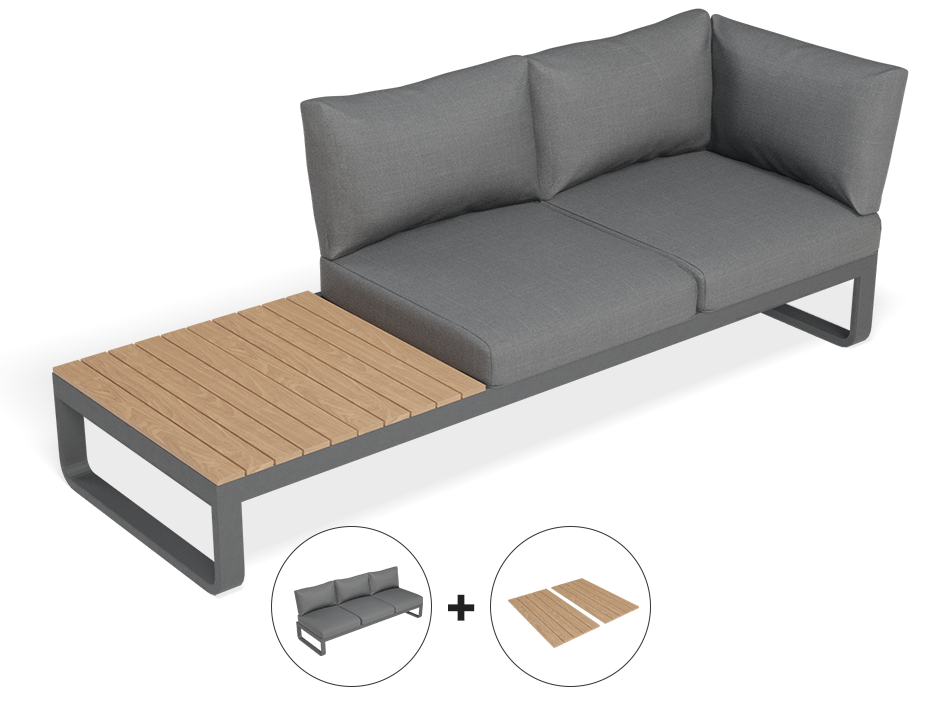
A modular outdoor lounge is made up of separate sections that can be joined together or arranged in different ways. A typical set may include corner pieces, middle seats, ottomans, chaise sections and a low table. These pieces can often be combined into an L-shape, a long sofa, a U-shape, or split into smaller groupings. The central appeal is flexibility. Instead of buying one set arrangement, the buyer is buying a system that can adapt.
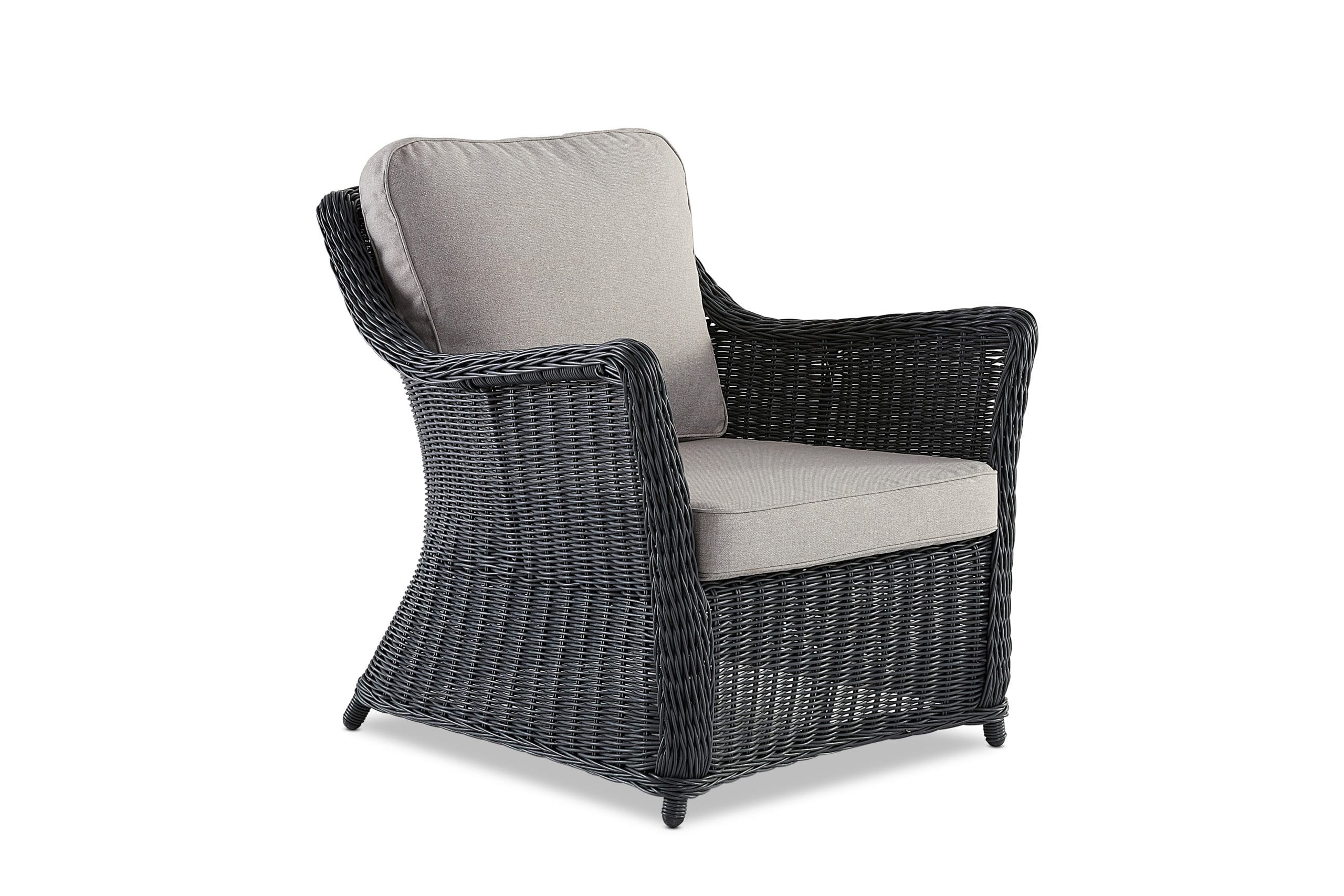
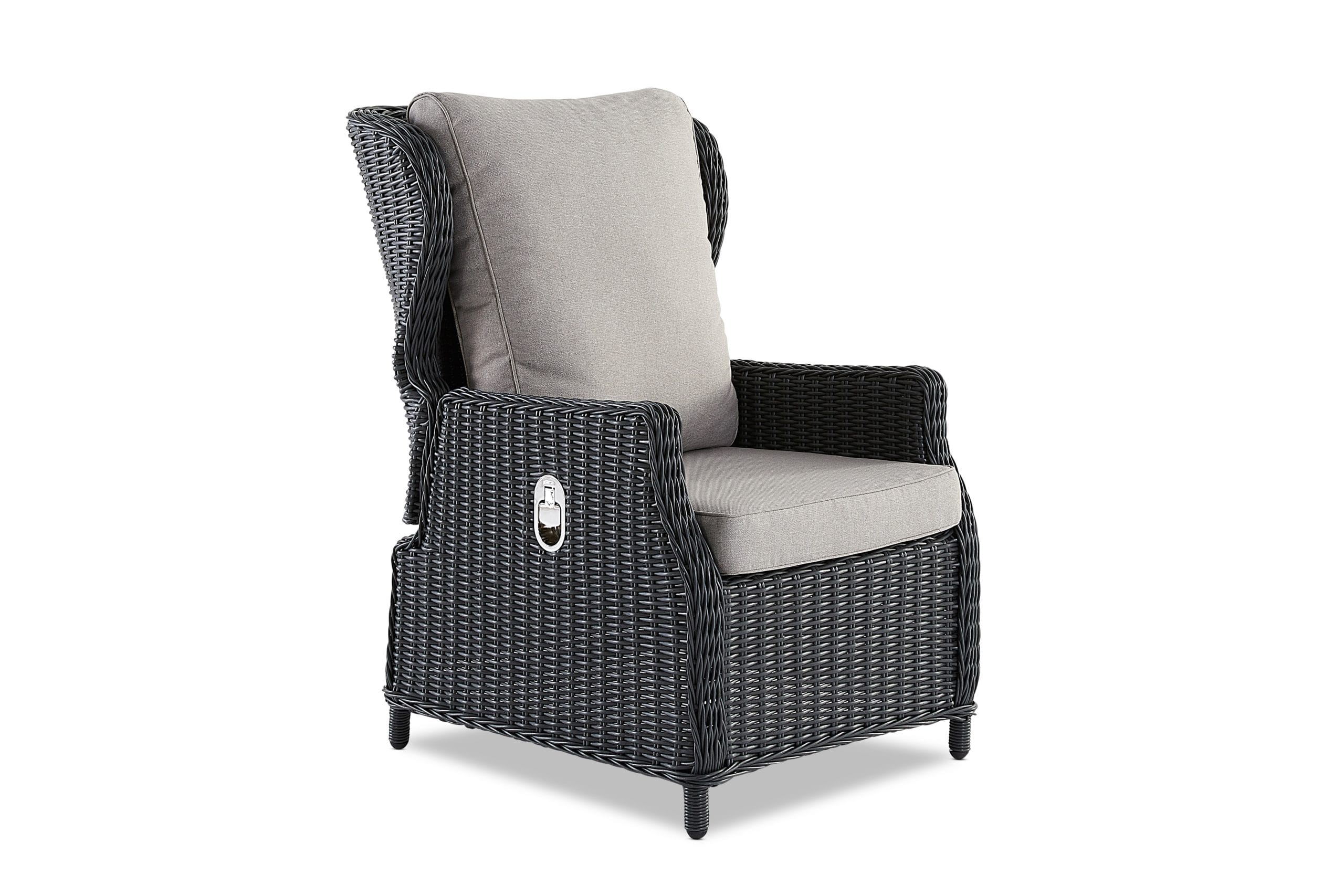
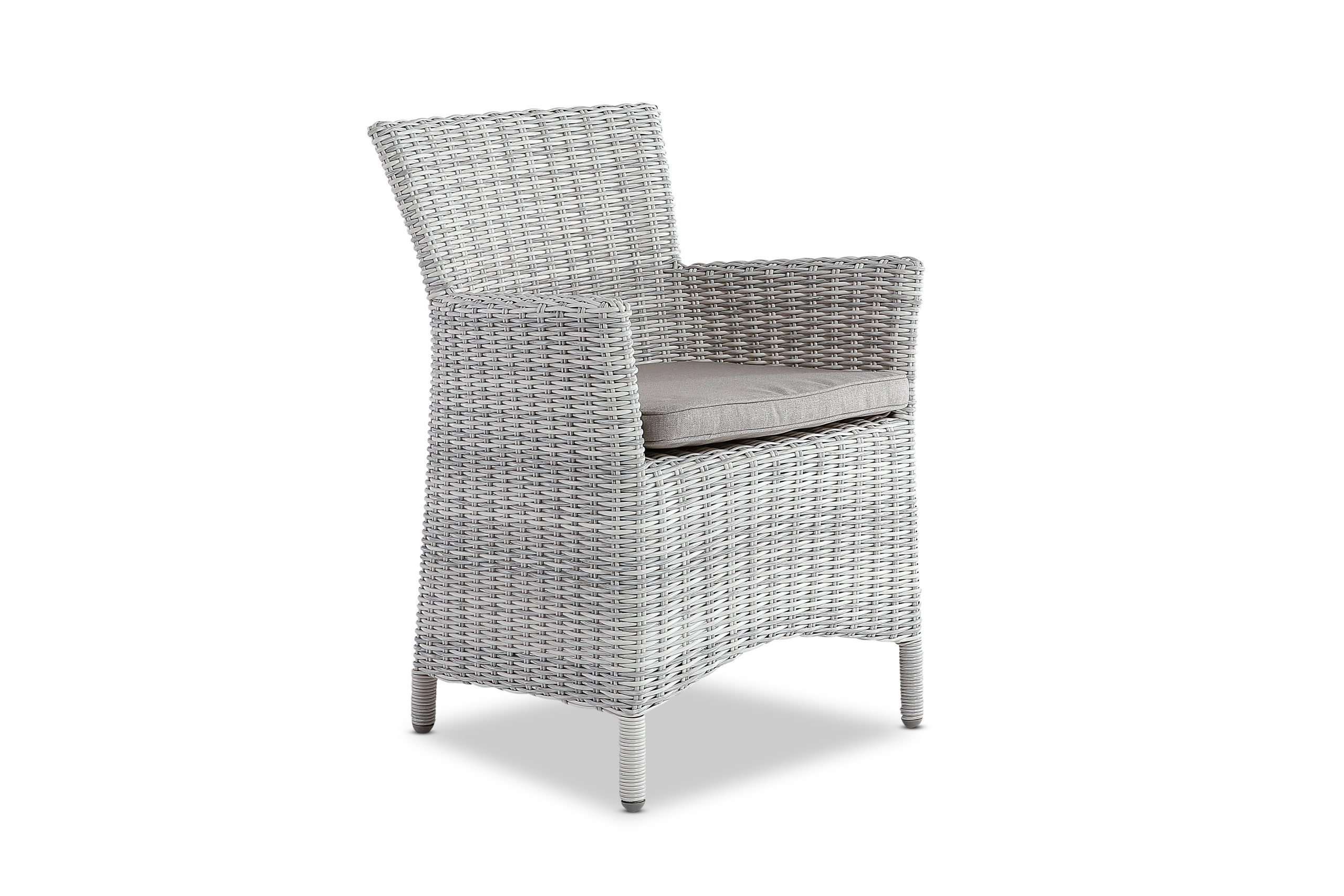
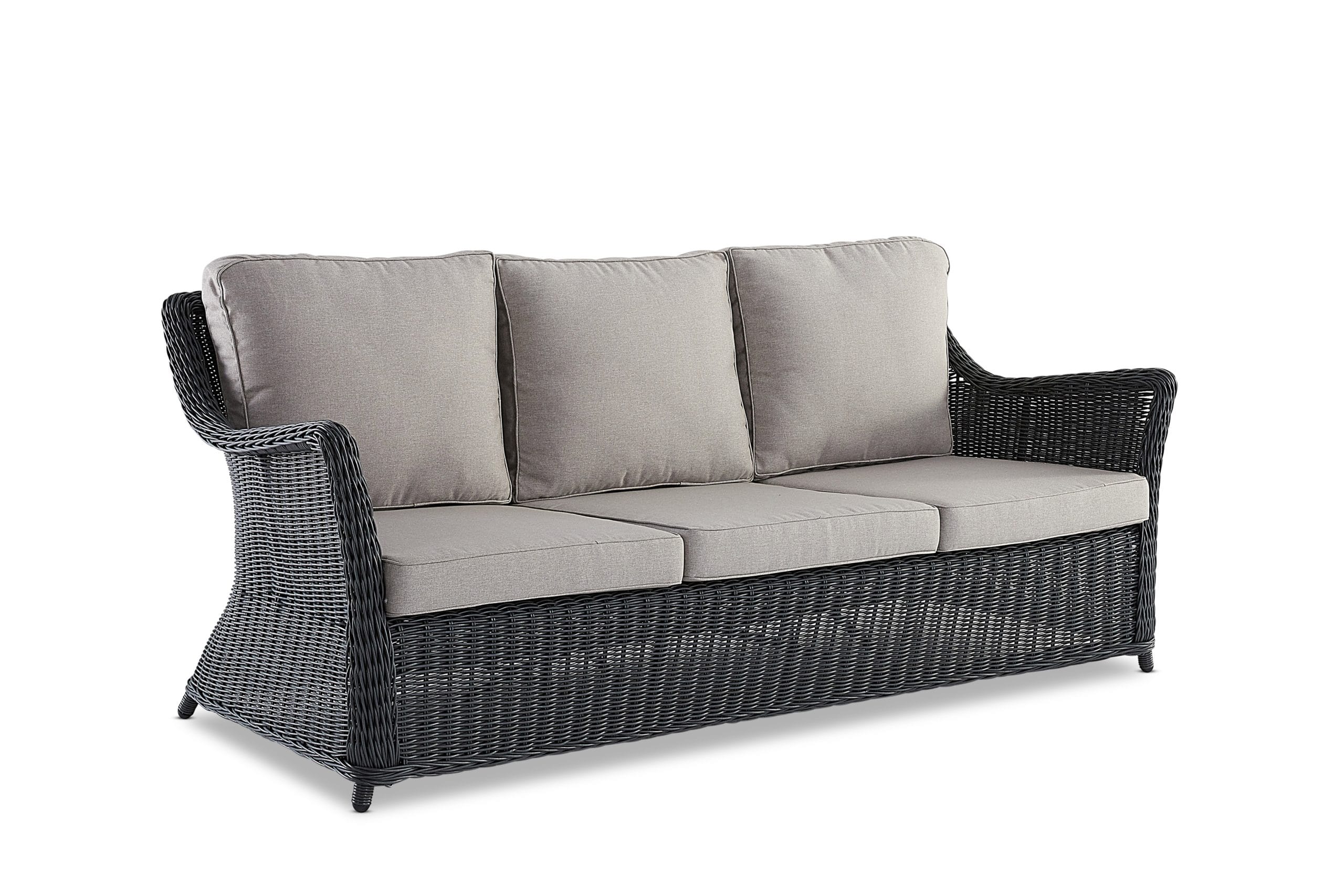
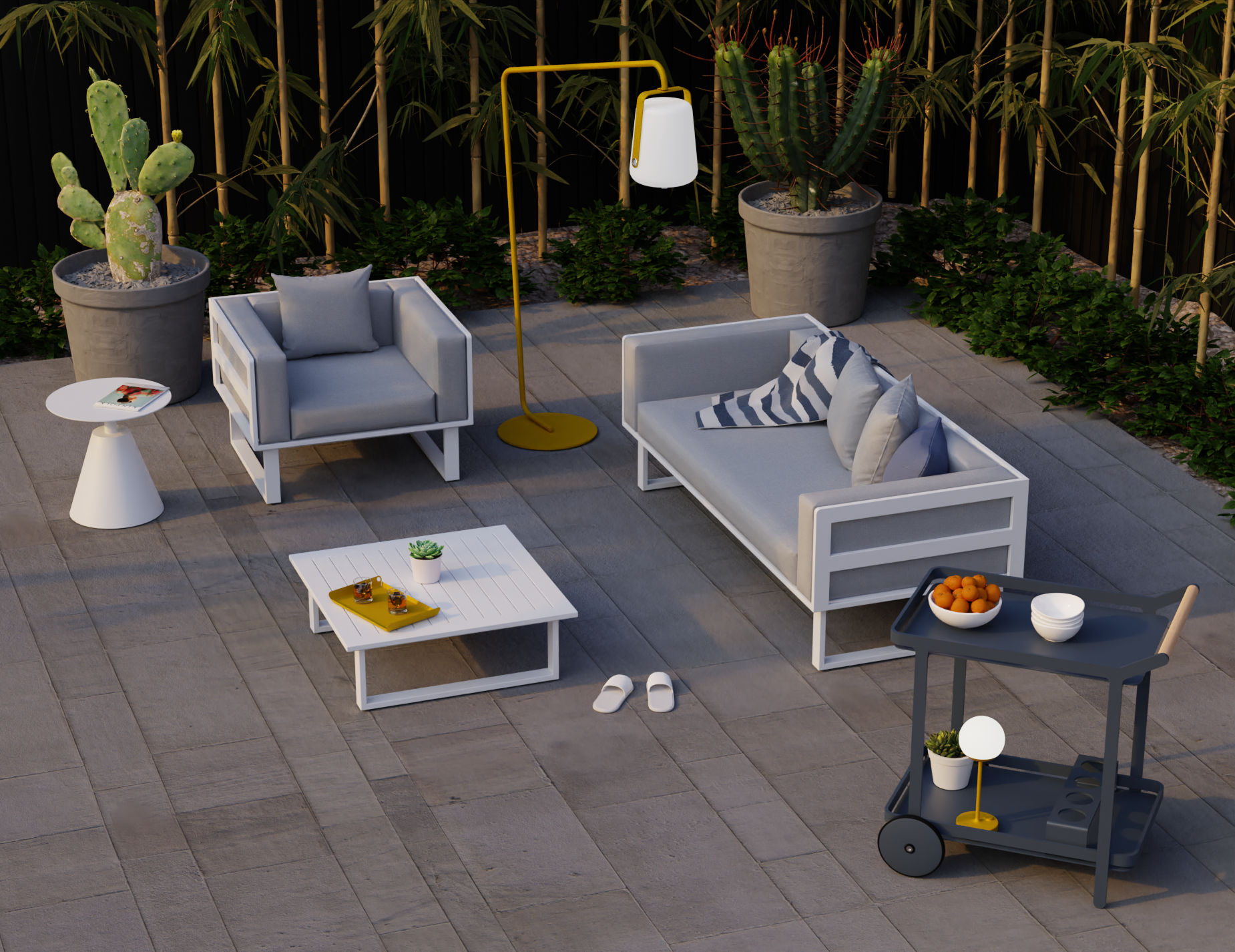
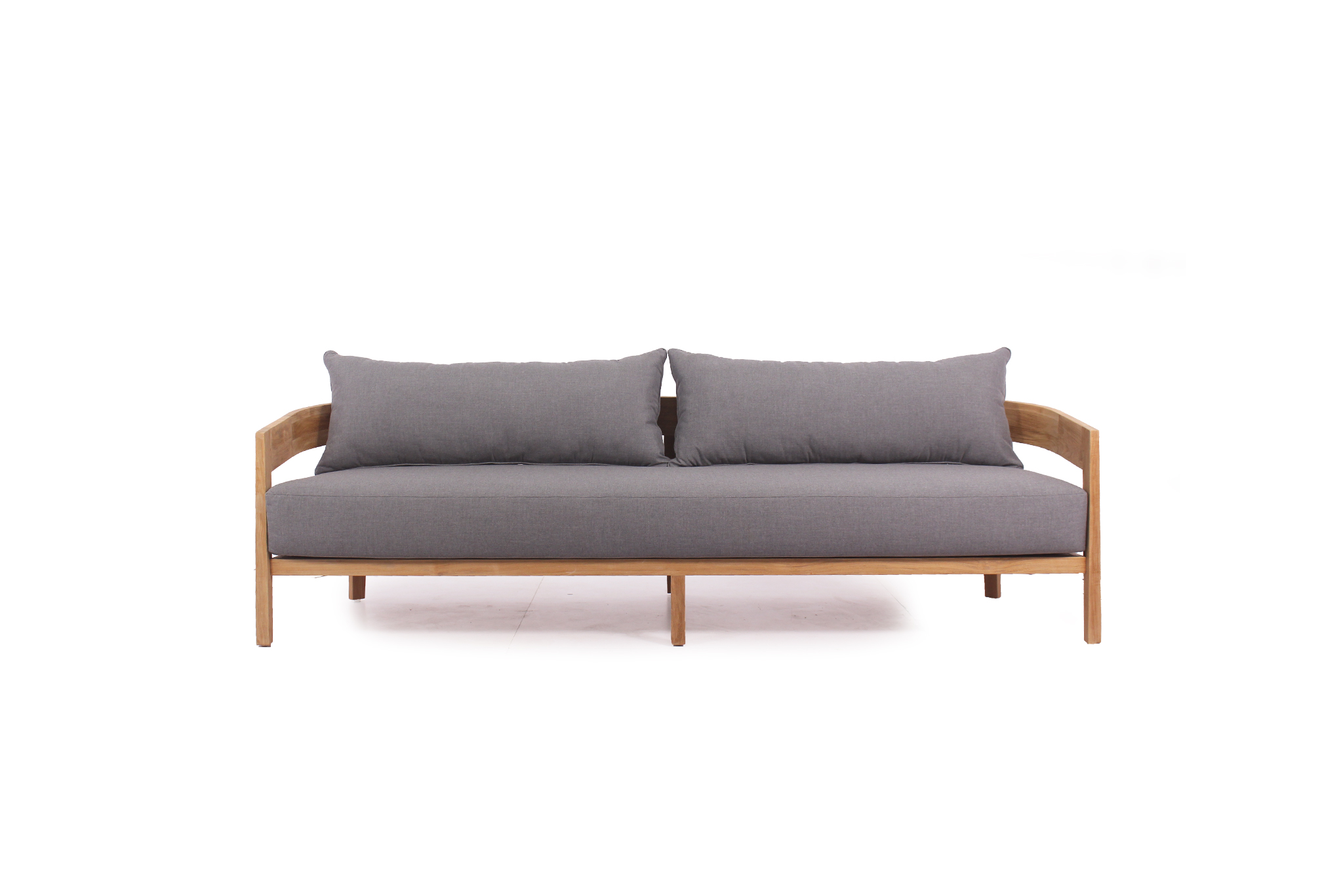
A fixed lounge setting is more straightforward. It usually comes as a sofa with matching armchairs and a coffee table, or perhaps a loveseat with chairs and a side table. Each item has a fixed role and design. The pieces may still be moved around the patio, but they are not intended to be endlessly reconfigured into new shapes. The arrangement is more settled from the start.
That difference may sound simple, but it creates a very different experience in use. Modular seating is designed to give the owner more control over layout and flow. Fixed seating is designed to give the owner more certainty. One is about adaptability. The other is about stability.
Why this choice matters so much
Outdoor furniture is not a small purchase for most households. It is something people expect to use for years, and often in more than one season. Good furniture also affects more than comfort alone. It changes how a garden feels and how often it is used. A well-planned seating area can make an outdoor space feel inviting, finished and practical. A poor choice can make it feel cramped, awkward or underused.
This is why buyers often regret the wrong decision. Not because the furniture is ugly, but because it does not fit daily life. Some people buy a generous modular sectional because it looks luxurious, then discover it takes over the whole patio and leaves little room to move. Others buy a neat fixed set, only to find it is not quite enough for family gatherings or informal entertaining. The problem is rarely that one type is universally good and the other bad. The problem is a mismatch.
The best outdoor furniture should work with real habits. If the family often hosts friends, likes relaxed seating and enjoys changing the layout for different occasions, modular seating may make perfect sense. If the space is small, the routine is stable, and the household values order over flexibility, a fixed lounge setting may be far more satisfying.

The appeal of modular outdoor lounges
It is easy to see why modular lounges are so popular. They offer a sense of freedom that fixed furniture cannot quite match. In a large garden or on a generous patio, they can create the feeling of an outdoor sitting room. They are often deep, relaxed and inviting, built for long afternoons, casual evenings and informal gatherings.
One of their greatest strengths is adaptability. In an awkward space, such as a wraparound deck or an uneven terrace, modular pieces can often be arranged more intelligently than a fixed set. They can help make better use of corners, define a seating zone in an open garden, or create a layout that feels made for the area rather than imposed upon it.
This flexibility can also be useful for households whose needs change. A couple may want a simple lounge for everyday use now, but plan to expand the seating later. A family might want one arrangement for normal evenings and another for parties or summer gatherings. In these cases, a modular lounge offers room to adapt.
Another reason modular furniture appeals is the atmosphere it creates. Many modular designs lean towards deep seating, broad proportions and a laid-back style. They encourage lounging rather than formal sitting. For some buyers, that alone is enough to make them more attractive. They make an outdoor space feel softer, more contemporary and more in tune with the way people now use gardens as living areas.
Yet this same flexibility can also become one of its weaknesses. Freedom is only valuable if it is used. A surprising number of buyers are attracted to modular seating because they like the idea of rearranging it, not because they truly need to. Once the furniture is delivered and placed, many never alter it again. In such cases, they may have paid for optionality that adds little real value.

The quiet strengths of fixed lounge settings
Fixed lounge settings do not always sound as exciting, but they solve many practical problems very well. Their main strength is simplicity. The design is already resolved. The sofa, chairs and table are meant to go together. The proportions are balanced, the layout is easy to picture, and there is less chance of ending up with a seating arrangement that feels awkward or unfinished.
This simplicity is often undervalued. Many people do not want to play furniture designer every time they update the patio. They want a set that arrives with a clear identity, slots into the space easily and works straight away. A fixed setting provides exactly that. It removes guesswork and reduces the risk of poor planning.
Another advantage is visual cohesion. Fixed sets often look more polished because they were conceived as a complete arrangement. The chairs match the sofa, the table sits naturally at the right height, and the overall effect tends to feel settled. In smaller spaces, especially, this can make a big difference. A compact patio benefits from furniture that knows what it is doing. Too much bulk or too many moving parts can quickly make the area feel cluttered.
Fixed lounge settings also tend to involve less daily adjustment. There are fewer sections to line up, fewer seams between cushions, and less chance of the furniture drifting out of place over time. For buyers who want ease rather than flexibility, this is a major benefit. The furniture becomes a stable part of the garden rather than something that needs managing.
Their weakness, of course, is that they are less adaptable. If the household changes, the entertainment style changes, or the patio layout is redesigned, a fixed set may not evolve as easily. What you buy is largely what you keep. For some people, that is perfectly fine. For others, it can feel limiting.

Space planning comes before style
No outdoor furniture will work well if the size is wrong. This is one of the most common mistakes buyers make, and it affects modular lounges especially. The deeper the seating, the broader the arms and the larger the corner units, the more quickly a set can dominate a space.
A lounge that looks elegant in a staged photo may feel enormous once it is placed on a real patio with walls, doors, planters, pathways and everyday movement to consider. Buyers often focus on whether the furniture fits physically, but that is not the same as whether it fits comfortably. A patio should not feel like a maze built around the sofa.
Modular lounges can be excellent in large or open spaces because they help define zones and create structure. On a broad deck or open terrace, they can anchor the whole outdoor area and make it feel purposeful. In a smaller courtyard or balcony, though, they need much more caution. A corner unit that seems harmless on paper can swallow the available space and make the area feel smaller than before.
A fixed lounge setting often performs better in compact areas because its footprint is easier to understand. A sofa and two chairs allow clearer movement and more visual breathing room. The shape is usually lighter, and there is less temptation to overfill the space. For many small patios, this makes a fixed setting the more practical and elegant option.
The lesson is simple. Outdoor furniture should be chosen not just by seat count but by how the whole space will function once the pieces are in place. The best arrangement leaves room to walk, room to breathe and room for the garden itself to be seen.
Comfort is more complicated than it looks
Comfort is often spoken about as if it were one simple quality, but in reality, it depends on posture, seat depth, cushion firmness and how the space is used. A lounge that feels luxurious for an afternoon nap may be less convenient for older relatives, upright conversation or everyday use near an outdoor dining area.
Modular lounges often lean towards deep, relaxed comfort. They tend to be lower, softer and more informal. For households that want to stretch out, read, chat casually and spend long hours outdoors, this can be ideal. The furniture feels generous and indulgent. It invites people to sink in and stay.
Fixed lounge settings often offer a more upright and structured sit. This does not mean they are uncomfortable. In fact, many people find them easier to use day after day. They can be better for mixed-age households, easier to get in and out of, and more natural for conversation. They often work especially well in spaces that sit between lounging and dining, where a balance of comfort and posture matters.
This is why the question of comfort should never be reduced to softness alone. The most comfortable furniture is the furniture that supports the way it will really be used. A deep modular sectional may be perfect for a relaxed family that treats the patio like a second living room. A fixed sofa-and-chair setting may be better for a household that values a more upright, social and versatile style of seating.

The hidden reality of daily ownership
There is an important difference between furniture that looks good on day one and furniture that remains satisfying over time. This is where the ownership experience becomes crucial.
A modular lounge often asks more of its owner. The sections may need lining up again after use. The connectors may need checking. The cushions may shift, especially on frequently used seats or in windy weather. If the design is poor, the gaps between pieces may become more noticeable over time. For people who enjoy adjusting and refining their layout, this may not feel like a burden. For others, it becomes a quiet irritation.
A fixed lounge setting is usually simpler. Once it is placed, it tends to stay put. The overall look remains stable, and there are fewer small corrections to make. That may sound like a minor point, but it matters over the years of ownership. Ease is valuable. Furniture that quietly works often brings more long-term satisfaction than furniture that feels clever but demands attention.
This is one of the strongest arguments in favour of fixed settings. They may offer less flexibility, but they often offer less friction, too.
The pain points buyers often discover too late
Many of the complaints owners have about outdoor furniture are not really about modular versus fixed at all. They are about poor materials, weak design and unrealistic expectations.
One of the most common frustrations is cushion performance in wet weather. Thick outdoor cushions may look plush and luxurious, but if they absorb water and take too long to dry, they quickly become a nuisance. They may feel damp, smell musty or encourage mildew if they are not cared for properly. This problem can affect any lounge type, but it often feels worse with larger modular seating because there are simply more cushions and more bulk.
Another common issue is movement. Modular furniture is more exposed to this problem because it depends on separate sections staying together neatly. If the connectors are poor or the construction is lightweight, pieces may shift apart during use. The result is not just inconvenience but a lounge that begins to look untidy.
Cushion drift is another quiet annoyance. Back cushions slip, seat pads creep forward, and the furniture begins to lose the crisp look it had when first delivered. Again, this can happen with any set, but the effect is often more visible on large modular arrangements with many cushions meeting at many points.
Rust, fading and frame wear are among the most serious issues of all. These problems have far more to do with material quality than lounge type. A badly made fixed set will disappoint just as surely as a badly made modular one. That is why buyers who focus too heavily on layout and not enough on construction often end up regretting the purchase.

Materials matter more than the format
This cannot be overstated. The difference between a good and a poor outdoor lounge is often found in the materials, not the layout style.
A strong outdoor frame should be able to cope with moisture, temperature shifts and long periods of exposure. Finishes should be robust. Joints should feel secure. Metal should resist corrosion. Timber, if used, should be suited to outdoor life and properly maintained. Synthetic materials should feel substantial, not flimsy.
Fabric matters just as much. Outdoor cushions need covers that can handle sun, occasional rain, dirt and general wear. Good fabric keeps its colour better and ages more gracefully. Poor fabric fades, weakens and makes even an attractive design look tired.
Cushion filling is another point people often overlook. Two lounges may look nearly identical online, yet one may keep its shape and dry well while the other quickly becomes flat and soggy. This affects comfort, maintenance and long-term value.
In simple terms, the best question is not just whether the lounge is modular or fixed. The best question is whether it is genuinely built for outdoor life.
Climate should shape the decision
Outdoor furniture does not live in theory. It lives in a real environment, and that environment should influence the choice.
In wet climates, quick-drying materials and easy maintenance become especially important. If the garden sees frequent rain, a large modular lounge with thick, slow-drying cushions may demand more care than some buyers want to give. A simpler fixed setting with manageable cushions may prove easier to live with.
In sunny climates, resistance to fading matters greatly. Rich dark fabrics can look stunning at first, but may lose their depth quickly if the material is poor. Here again, quality counts more than layout. A well-made modular set can thrive in strong sun, just as a poor fixed set can suffer.
In windy areas, stability matters. A fixed setting often has a natural advantage because the furniture pieces are larger and more self-contained. Modular sections may move or separate if they are not heavy enough or properly secured.
In coastal environments, salt air places extra pressure on metal finishes and fittings. Material choice becomes critical. The furniture must be able to cope with a more demanding setting, otherwise it will show its age far too soon.
The practical truth is that climate often matters more than style. The most beautiful lounge in the wrong material will become a disappointment quickly.

Maintenance and how much effort feels reasonable
Every outdoor lounge needs some care. The question is how much effort feels reasonable for the household that owns it.
Some people are happy to clean cushions regularly, use protective covers, store soft furnishings when the weather turns, and keep everything looking fresh. Others want a more relaxed arrangement that demands little attention beyond the occasional wipe-down. There is no right or wrong attitude, but the furniture should match it.
A modular lounge can require more intervention simply because there is more going on. More units, more cushions and more connectors usually mean more points to watch. A fixed setting can be simpler to maintain because the layout is stable and the number of separate parts is often lower.
Neither is maintenance-free, and buyers should be wary of any marketing that makes outdoor furniture sound effortless. Gardens are exposed spaces. Rain, dust, leaves, pollen, sun and damp all take their toll. A good set should withstand normal outdoor life well, but it will always last longer if it is cared for properly.
Style, mood and how the space feels
Practicality matters, but style still plays a major part in the final decision. Furniture shapes how a garden feels, and different lounge types create different moods.
A modular lounge often feels contemporary and relaxed. It can give a patio the atmosphere of a resort terrace or an outdoor family room. In larger spaces, this can be very effective. The furniture creates a zone with presence, and the garden begins to feel like a place designed for long, comfortable use.
A fixed lounge setting often feels more composed and timeless. It sits naturally in both modern and traditional homes, and it tends to create a clearer visual structure. In formal gardens or smaller patios, this can feel more appropriate. The furniture supports the space rather than dominating it.
Good outdoor design is rarely about choosing the boldest option. It is about choosing the one that looks at home. The best lounge is the one that fits the character of the property and the rhythm of the household.
Value is about more than price
Many buyers want to know whether modular lounges or fixed lounge settings are cheaper. The answer is that either can be affordable or expensive depending on brand, size and build quality. There are budget modular sets and luxury fixed sets. Category alone does not determine cost.
The better way to think about value is over time. A lounge that costs less at the start but fades, rusts or frustrates the owner after one or two seasons is poor value. A more expensive set that remains comfortable, attractive and easy to use for years is often the wiser purchase.
There is also the question of feature value. A modular lounge that is never reconfigured may not be giving its owner much return on the flexibility they paid for. A fixed set that matches a household’s needs perfectly may represent excellent value precisely because it does not try to do more than required.
True value comes from fit: fit with the space, fit with the climate, fit with daily life and fit with the owner’s expectations.
Which suits different types of buyers?
For frequent entertainers, modular lounges often make strong sense. They provide generous seating, a welcoming atmosphere and the possibility of changing the arrangement for larger gatherings.
For small households with stable routines, fixed lounge settings are often more sensible. They are easy to place, easy to live with and usually less likely to overwhelm the space.
For families, either can work well, but the choice depends on habits. A family that sprawls across the patio, hosts often and likes casual seating may prefer modular comfort. A family that values order, support and lower maintenance may find a fixed setting better.
For older adults or households with mixed generations, comfort and ease of movement matter especially. In many cases, fixed seating offers a more practical posture and easier access, though some modular designs can also perform well if chosen carefully.
For buyers with small patios or courtyards, fixed settings often have the edge because they make better use of limited space. For buyers with large terraces, open decks or poolside areas, modular lounges often come into their own.
So which one should you buy?
The answer depends on what matters most in your outdoor space.
A modular outdoor lounge is usually the better choice when flexibility is genuinely useful, the space is large or awkward, and the household wants an informal, relaxed seating zone that can adapt over time. It suits buyers who enjoy the idea of shaping the space to different uses and are comfortable managing a set with more moving parts.
A fixed lounge setting is usually the better choice when the layout is unlikely to change, the space is compact or clearly defined, and the household values simplicity, visual order and lower day-to-day fuss. It suits buyers who want an easy decision and a settled result.
For many people, the smarter decision is the one that asks least of them over time. For others, the smarter decision is the one that gives them more freedom. That is why the question cannot be answered honestly without looking at the space, the climate and the lifestyle behind it.

Final thought
The best outdoor furniture does not simply fill a patio. It improves the way the space is lived in. It makes the garden more welcoming, more useful and more enjoyable day after day.
Choosing between modular outdoor lounges and fixed lounge settings is really about choosing between adaptability and stability. Both can be excellent. Both can be disappointing if chosen for the wrong reasons. The most successful purchase is usually the one that reflects real habits rather than ideal ones. At Outdoor Furniture Co., we believe trust is built through practical advice, durable design and furniture that works beautifully in real homes. When a lounge suits the space, the climate and the way people truly live, it becomes more than a place to sit. It becomes part of what makes the outdoors feel like home.
Modular vs Fixed Outdoor Seating: Frequently Asked Questions
Is a modular outdoor lounge better for entertaining than a fixed lounge setting?
A modular outdoor lounge is often better for entertaining because it can create a more flexible seating area and adapt to changing guest numbers. It works especially well in larger spaces where the layout may need to shift for different occasions.
Are fixed lounge settings more suitable for small patios?
Fixed lounge settings are often a better match for small patios because their footprint is easier to plan and they usually leave clearer walkways. They can make compact outdoor spaces feel neater, more open and easier to use every day.
Do modular outdoor lounges need more maintenance?
They can do, mainly because they have more separate sections, more cushions and more points that may need adjustment. If pieces move apart or cushions shift often, the owner may need to spend more time keeping everything looking tidy.
Which is more comfortable, modular or fixed outdoor seating?
Comfort depends more on seat depth, cushion quality and posture than on the category alone. Modular lounges often suit relaxed lounging, while fixed lounge settings can be better for upright support and everyday conversation in a more structured setting.
Is material quality more important than choosing modular or fixed furniture?
Yes, material quality is usually more important. A well-made fixed lounge setting will often outlast and outperform a poorly made modular one, while a strong modular set can be excellent if it uses durable frames, quality fabric and reliable cushion filling.
Can a modular outdoor lounge be expanded later?
Sometimes it can, but this is not always guaranteed. Matching pieces may become harder to find if a range changes or is discontinued, so buyers who want to expand later should check availability carefully before making the first purchase.