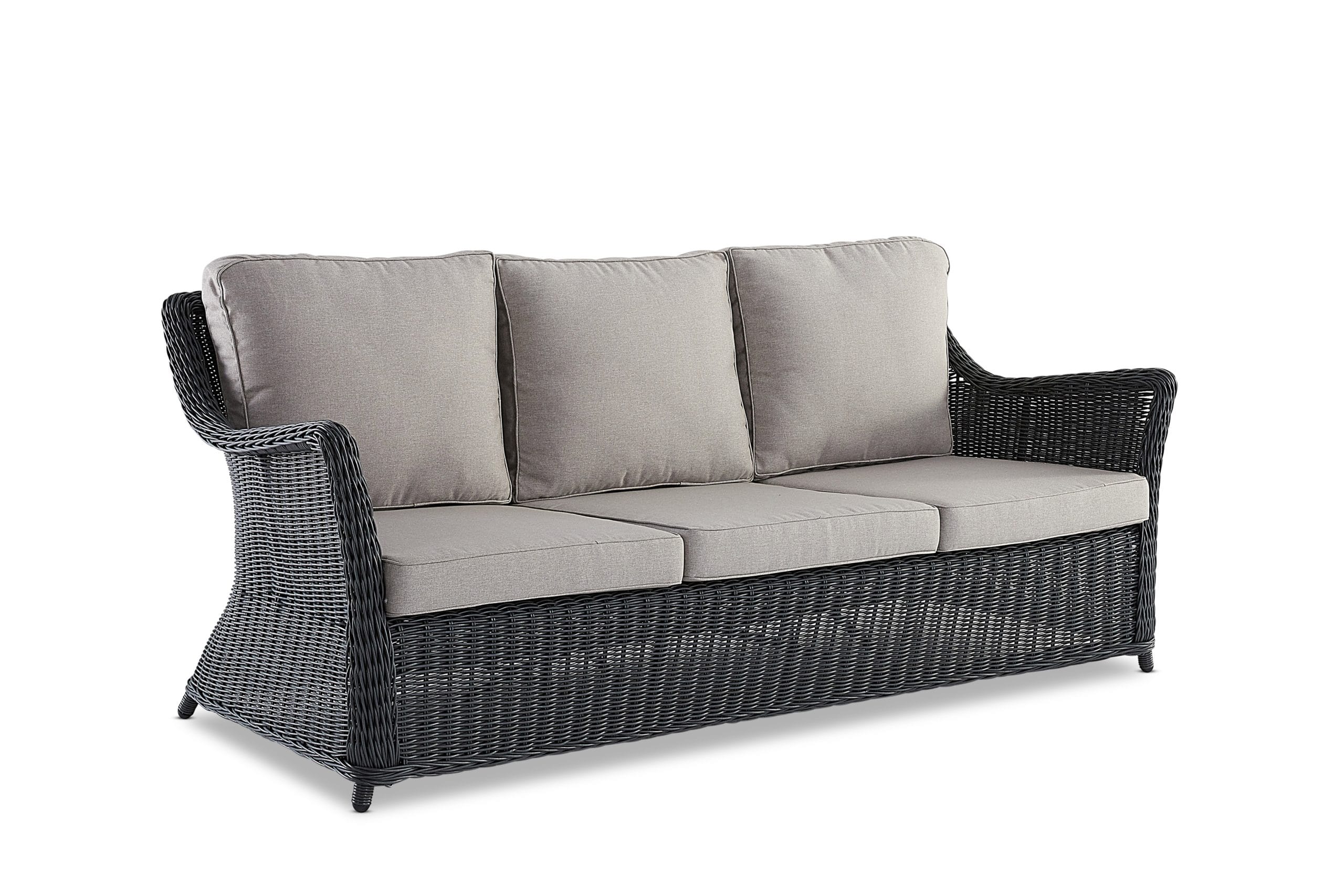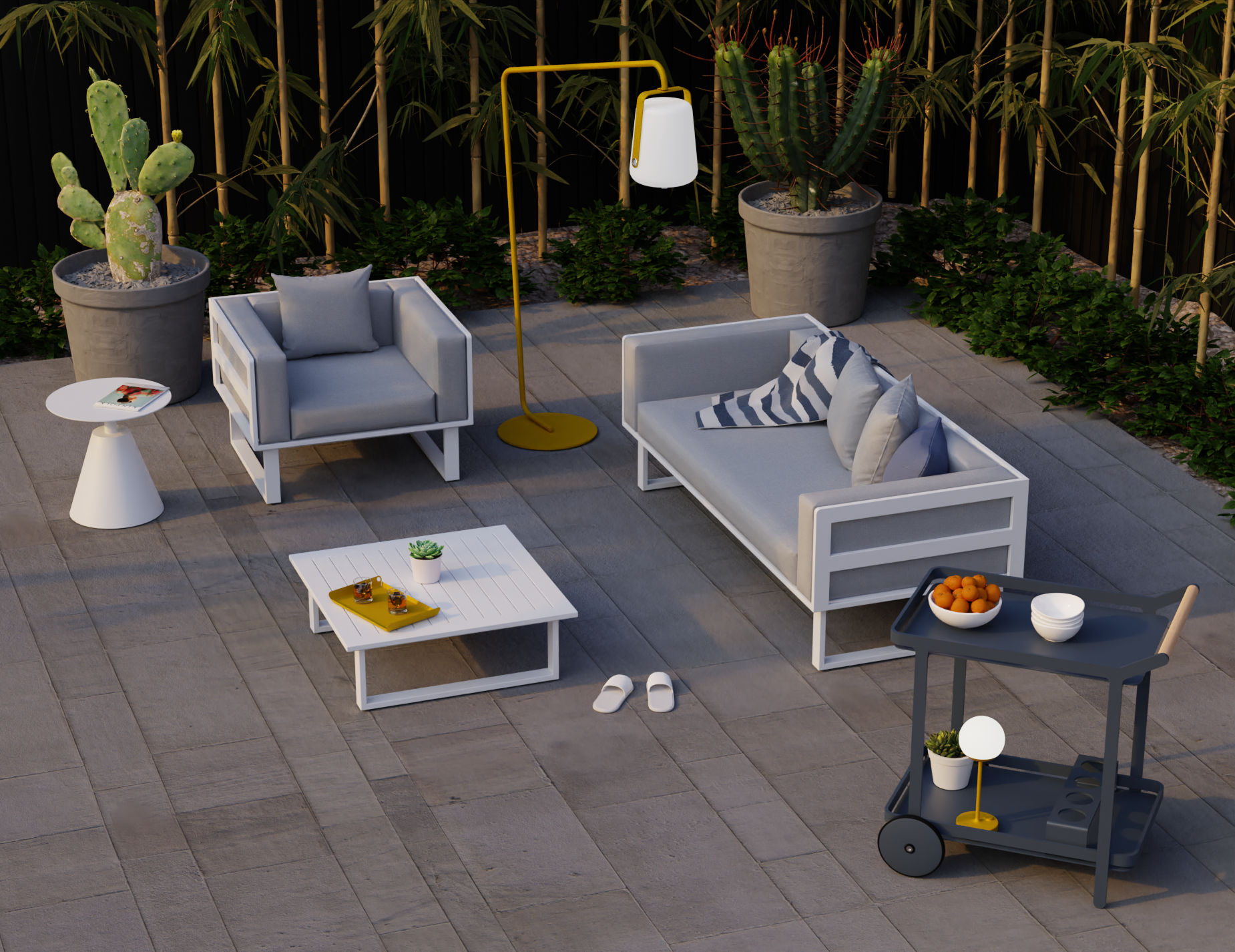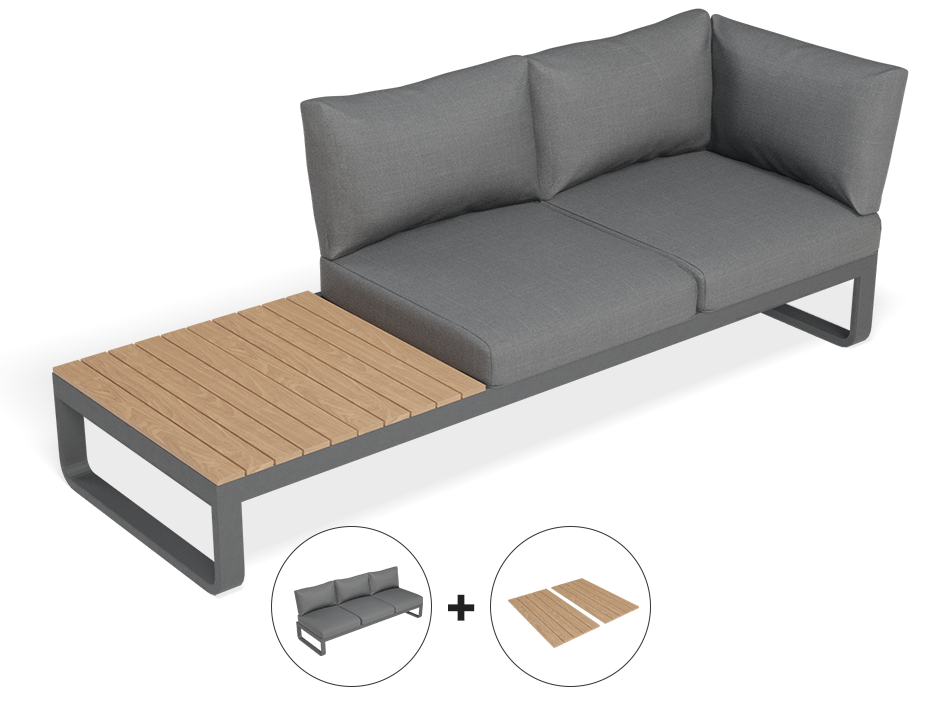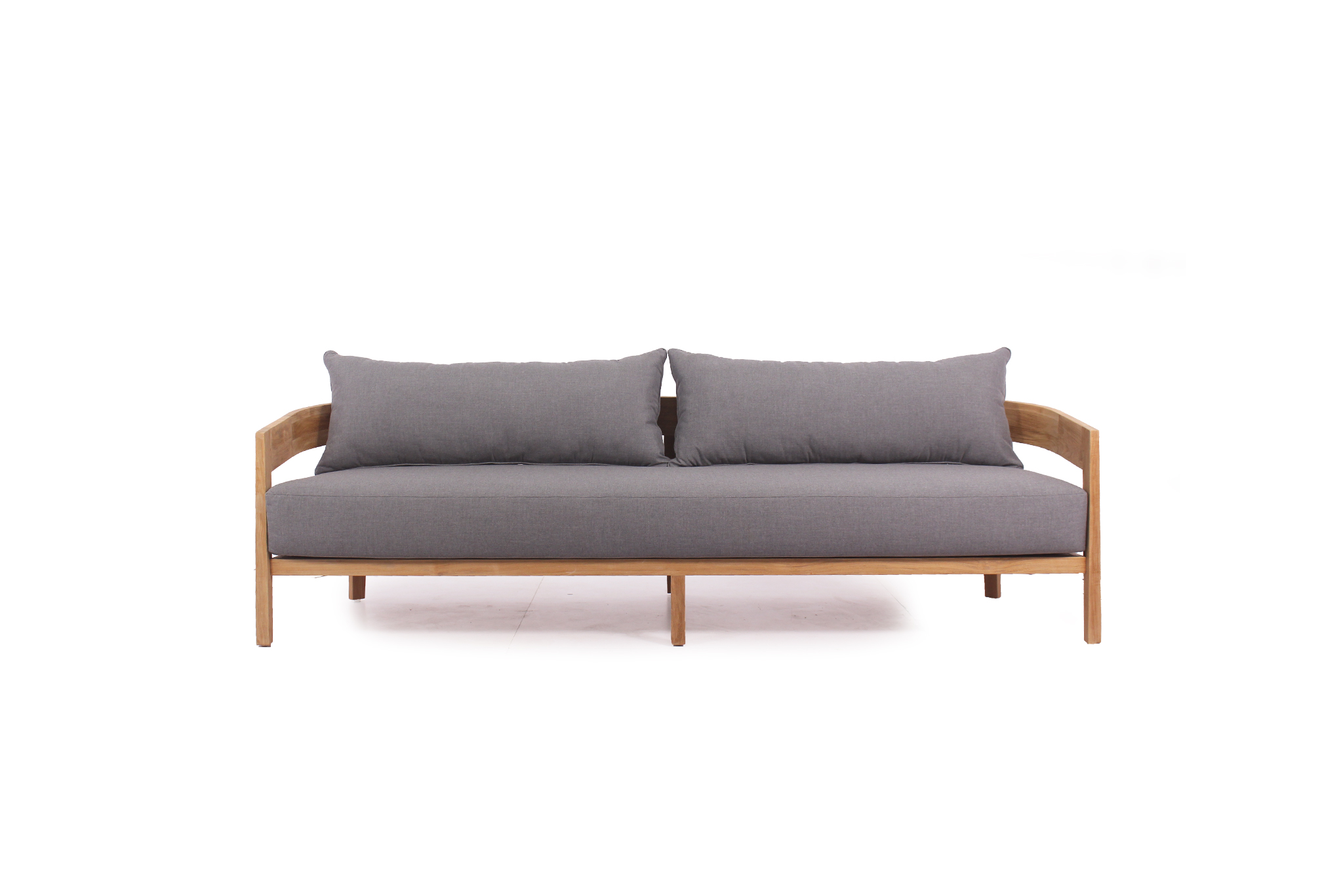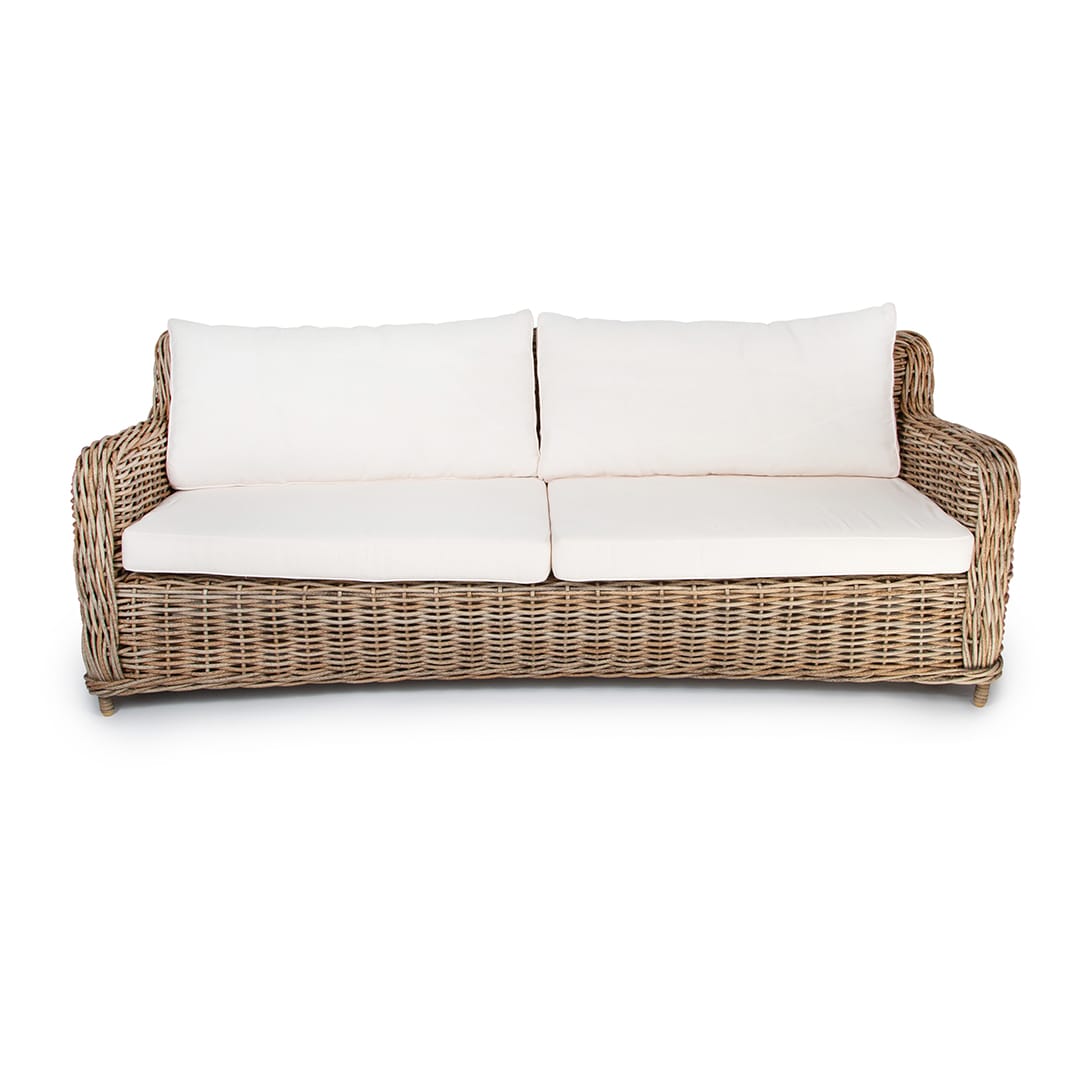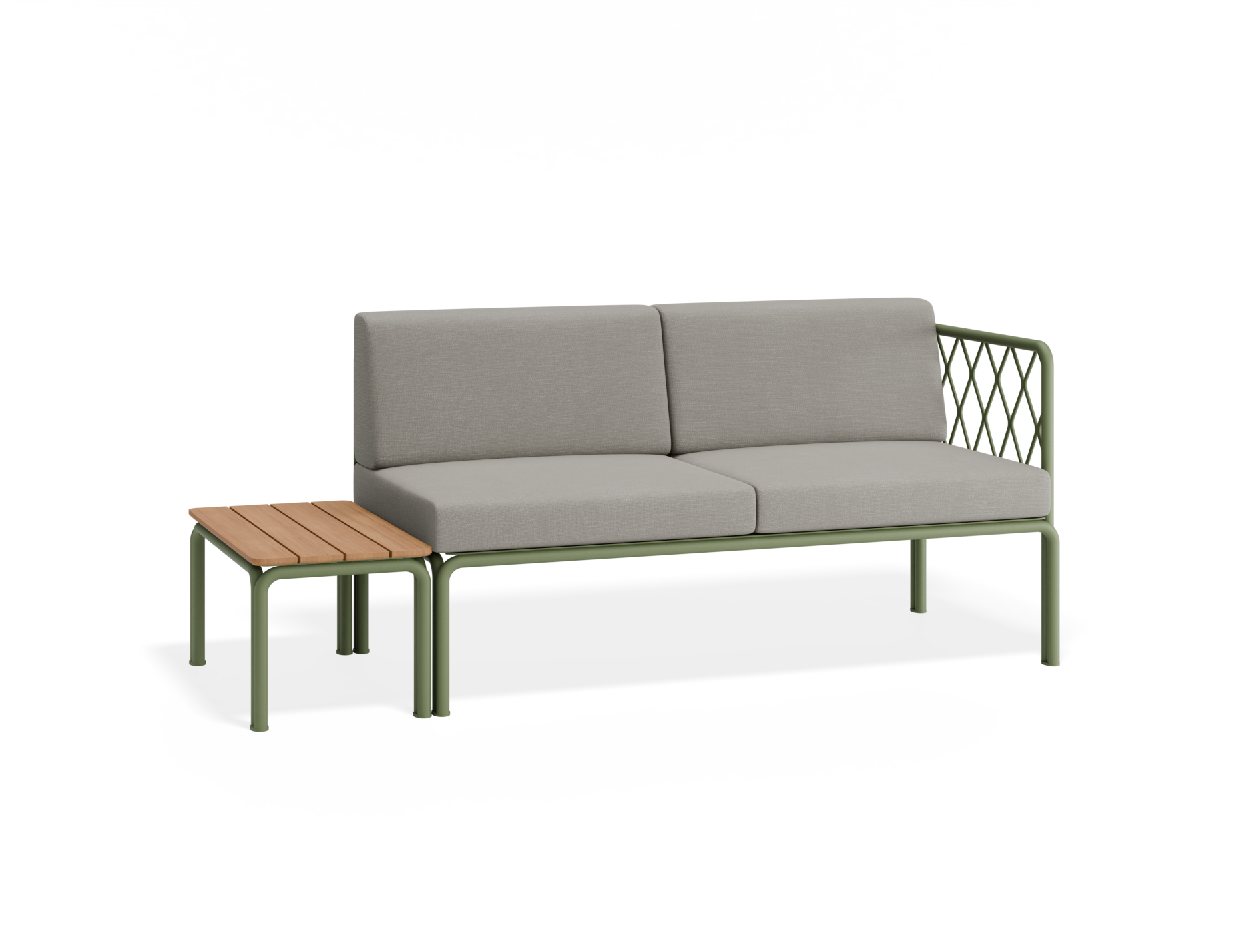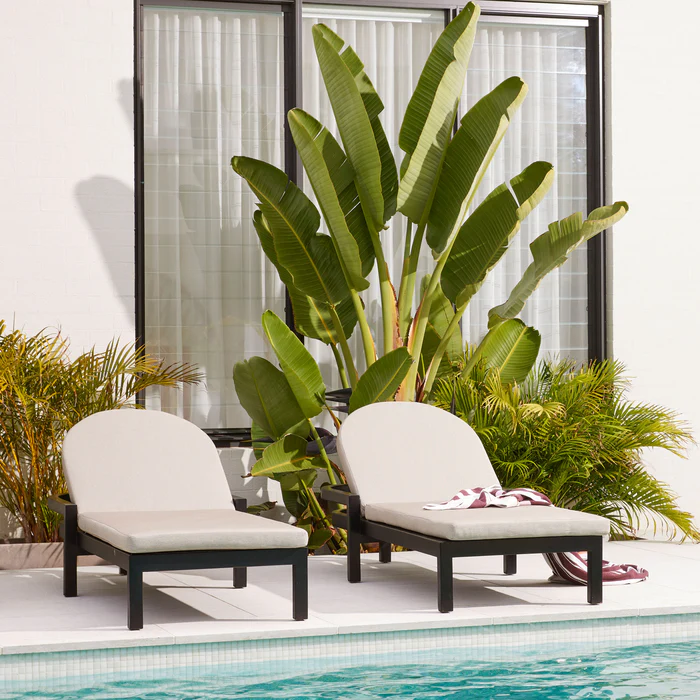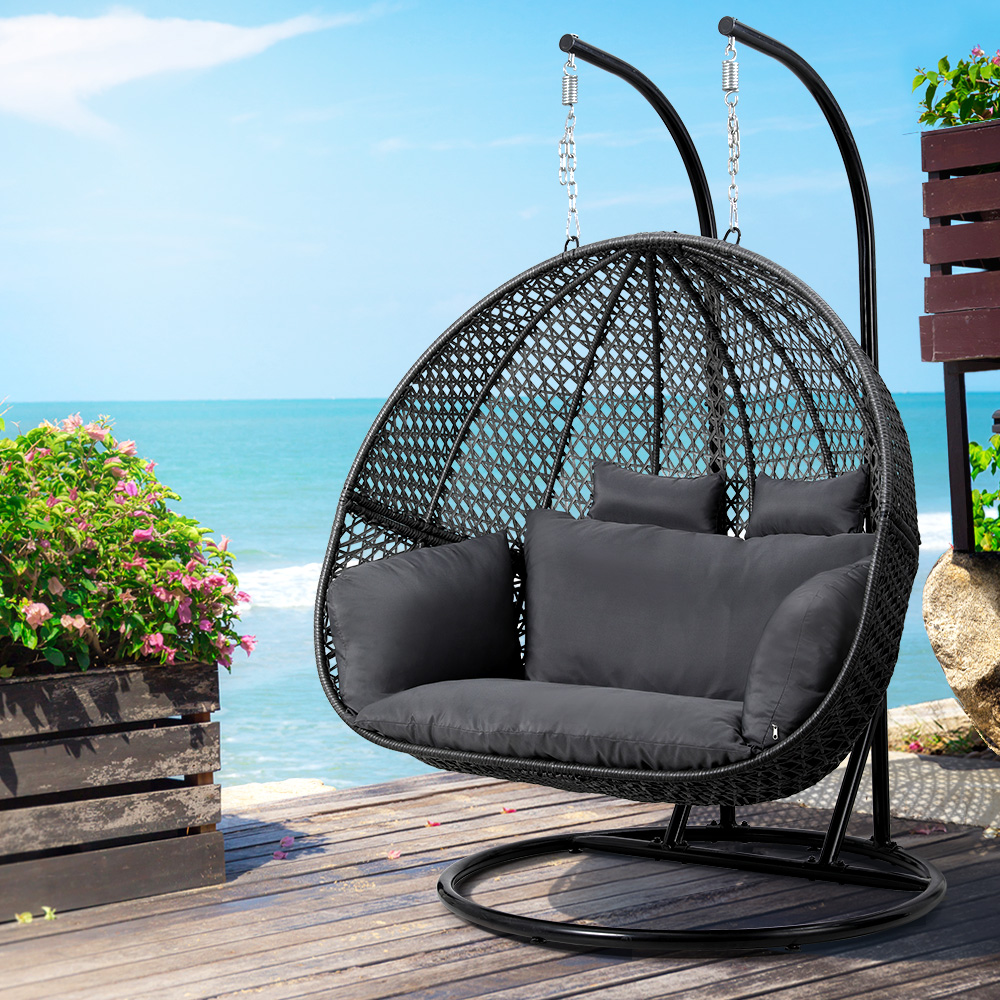


Choosing the right Outdoor Benches is not just about filling empty space. It is about comfort, durability, long-term value, and how your outdoor area functions day to day. Whether you have a compact courtyard, a large entertaining deck, or a landscaped garden, the right seating transforms how that space is used.
Australians live outdoors more than most. Between strong UV exposure, coastal moisture, heavy rain in some regions and dry inland heat, not all furniture performs equally well. A well-chosen bench will maintain its structural integrity, resist weather damage, and remain comfortable for years. A poor choice can fade, crack, rust or weaken far sooner than expected.
This guide explains exactly what to look for when selecting Outdoor Benches, covering materials, sizing, comfort, durability and design so you can make a confident, informed decision.

Why Choosing the Right Outdoor Benches Matters More Than You Think
Many buyers assume a bench is a simple purchase. In reality, the wrong choice often leads to discomfort, premature wear, or constant maintenance. Well-designed Outdoor Benches should provide reliable support, handle Australian conditions, and complement the surrounding space.
From a practical standpoint, seating affects how often your outdoor area is used. Properly designed outdoor seating solutions encourage longer gatherings, relaxed entertaining and everyday use. Poorly designed benches can feel awkward, unstable or impractical.
Material performance is also critical. Harsh sunlight demands UV resistant outdoor furniture with strong UV stabilisation. Coastal properties require proper corrosion resistance, particularly in hardware and frame construction. Inferior coatings or untreated steel will quickly show rust.
Construction quality matters just as much as appearance. Benches built using mortise and tenon joints, stainless steel hardware, and reinforced frame construction are far more likely to maintain their load-bearing capacity over time.
Choosing carefully means fewer repairs, less maintenance, and greater long-term value from your Outdoor Benches.

Understanding Different Types of Outdoor Benches
Not all Outdoor Benches serve the same purpose. Understanding the differences helps narrow your decision quickly.
Garden benches are typically designed as feature pieces placed within landscaping. They often include decorative elements and may prioritise aesthetics over portability.
Patio bench seating tends to be more structured and integrated into entertaining areas. These benches often align with dining settings or lounge configurations.
For casual spaces, backyard bench ideas range from simple backless designs to statement pieces with storage or armrests. A deck bench furniture layout might focus on flexibility and ease of movement, while a heavy duty outdoor bench is suited to higher traffic areas.
Some buyers prefer an outdoor bench with backrest for comfort during longer sitting periods. Others choose minimal, backless styles for contemporary appeal.
If storage is important, integrated seating can double as concealed space for cushions and covers. In smaller homes, versatility matters. The right bench type should match how your space is actually used, not just how it looks in a catalogue.

Best Materials for Outdoor Benches and How They Perform
Material choice determines longevity more than any other factor. When comparing outdoor furniture materials, it is important to understand performance, maintenance and structural strength.
Timber outdoor benches remain popular for their natural warmth. Dense hardwoods such as teak offer excellent durability. A quality teak outdoor bench typically has a timber density of approximately 650–750 kg/m³, contributing to strength and durability. Proper moisture control is important, with ideal hardwood moisture content sitting between 12–16% for outdoor stability.
Aluminium options are lightweight yet strong. A well-built aluminium outdoor bench with a properly applied powder coated aluminium bench finish (typically 60–80 microns thickness) offers impressive rust proof outdoor bench performance in coastal areas.
Steel benches must be properly treated. Galvanising and protective coatings improve corrosion resistance rating, while premium models use marine-grade stainless steel such as 304 or 316 for hardware durability.
For eco-conscious buyers, sustainable timber benches combine aesthetic appeal with responsible sourcing.
Selecting the right material ensures your Outdoor Benches remain structurally sound and visually appealing for years.
What Size Outdoor Benches Do You Actually Need?
Sizing is one of the most overlooked aspects of buying Outdoor Benches. Choosing incorrectly can make a space feel cramped or underutilised.
Standard seat height typically ranges from 420–460mm, while seat depth usually falls between 400–500mm. These dimensions support proper weight distribution design and comfort. A standard two-seater measures approximately 1200–1500mm in length, while three-seaters extend to 1500–1800mm.
Before purchasing, measure the available area carefully. Allow sufficient circulation space so guests can move freely. For entertaining areas, align bench length with dining tables or paving lines to maintain visual balance.
Pay attention to bench weight capacity and overall load-bearing capacity, especially if the bench will regularly seat multiple adults. A quality commercial-grade outdoor bench will typically provide higher structural strength.
Correct sizing ensures your Outdoor Benches look proportionate, function comfortably and maintain long-term durability.

Comfort Factors Most Buyers Overlook
Comfort is about more than adding cushions. Well-designed Outdoor Benches should support the body properly even without padding.
Backrest angle plays a critical role. A supportive backrest typically sits at a 100–110 degrees angle, promoting relaxed posture. Seat depth and height must align to avoid discomfort during extended sitting.
Armrests can improve usability, especially for older users. Cushion compatibility also matters. If selecting cushions, ensure the bench design accommodates secure placement without slipping.
Construction quality influences comfort as well. Benches using reinforced frame construction and properly secured joints provide stability. Movement or flexing reduces user confidence and long-term durability.
Look for benches built with proper joinery, such as mortise and tenon joints and durable fasteners like stainless steel hardware. These details maintain both comfort and structural safety over time.
Comfort directly impacts how often your Outdoor Benches are used. A bench that looks good but feels awkward will rarely become part of daily life.

Weather Resistance and Long-Term Durability
Australia’s climate demands true weather-resistant bench performance. Sun, moisture and temperature swings test furniture constantly.
Timber requires appropriate sealing using weatherproof sealant or oil-based timber protection to minimise cracking and surface fading. Regular maintenance preserves appearance and prevents moisture damage.
Metal benches rely on protective finishes. Proper anti-rust coating and strong corrosion resistance are essential in humid or coastal environments. Powder coating thickness should meet recommended levels to ensure long-term protection.
Quality waterproof outdoor seating must also demonstrate strong fade resistance under direct UV exposure. Cheap finishes often deteriorate quickly, especially in open areas without shade.
Buyers seeking longevity should consider models marketed as outdoor bench durability-focused or classified as commercial-grade outdoor bench designs. These typically feature heavier frames, reinforced welds and improved coatings.
Durability is not accidental. It results from material selection, engineering standards and protective finishing processes that maintain performance year after year.

Cheap vs Premium Outdoor Benches: What’s the Real Difference?
Price differences between Outdoor Benches often reflect construction quality rather than just branding.
Lower-priced models may use thinner frames, basic coatings and minimal joint reinforcement. Over time, these compromises reduce structural integrity and overall lifespan.
Premium benches generally incorporate superior materials, stronger hardware, thicker protective coatings and better finishing. The difference becomes clear after several seasons of exposure.
For example, a properly constructed modern outdoor bench design using durable aluminium and premium coating will outperform cheaper alternatives significantly. Likewise, high-quality timber options with correct moisture control outperform untreated softwoods.
Style also plays a role. Whether you prefer a coastal style outdoor bench, Hamptons style outdoor furniture, or minimalist contemporary forms, quality craftsmanship ensures the aesthetic lasts as long as the structure.
In the long term, investing in better-built Outdoor Benches often reduces replacement costs and maintenance demands, delivering stronger value over time.

Final Thoughts on Choosing the Right Outdoor Benches
Selecting the right Outdoor Benches is not about trends or impulse decisions. It is about understanding materials, construction standards, sizing, comfort and long-term durability. When you consider elements such as outdoor furniture materials, correct dimensions, proper corrosion resistance, quality joinery and realistic outdoor bench durability, you move from guessing to making an informed investment.
A well-chosen bench should complement your home, handle Australian conditions confidently, and provide reliable seating year after year. Whether you prefer timber outdoor benches, a premium teak outdoor bench, or a low-maintenance aluminium outdoor bench, the right decision always comes back to quality construction and suitability for your space.
At Outdoor Furniture Co., we specialise in carefully selected Outdoor Benches designed for Australian homes and conditions. Our range includes timber, teak and aluminium options built with durability, comfort and long-term performance in mind. You can explore our full collection directly through our website and choose with confidence, knowing you are investing in quality that is built to last.
When you choose wisely, your outdoor space becomes more than an area — it becomes somewhere people genuinely want to gather.
Frequently Asked Questions About Outdoor Benches
What is the best material for Outdoor Benches in Australian weather?
The best material depends on your location and maintenance preference. Timber outdoor benches, particularly a well-built teak outdoor bench, perform exceptionally well in harsh sun and varying temperatures when properly maintained. If you prefer low maintenance, a powder coated aluminium bench offers strong corrosion resistance and excellent durability, especially in coastal areas. Always look for quality outdoor furniture materials designed for long-term exposure to UV and moisture.
How long should quality Outdoor Benches last?
Well-constructed Outdoor Benches built with durable materials and proper joinery can last 10–20 years or more. Longevity depends on build quality, protective finishes and regular care. Benches with strong structural integrity, correct anti-rust coating, and proper timber sealing typically outperform cheaper alternatives. A commercial grade outdoor bench will generally offer greater long-term performance.
What size Outdoor Benches should I choose for my space?
Start by measuring your available area carefully. Standard seat height ranges between 420–460mm, and seat depth usually sits between 400–500mm. A two-seater bench is typically 1200–1500mm long, while a three-seater ranges from 1500–1800mm. Ensure there is enough clearance for comfortable movement around the bench. Always check bench weight capacity to ensure it suits your intended use.
Are wooden Outdoor Benches high maintenance?
Not necessarily. Hardwood options such as sustainable timber benches require periodic oiling or sealing to maintain appearance and protect against moisture. Applying oil-based timber protection or a suitable weatherproof sealant once or twice a year is usually sufficient. If you prefer minimal upkeep, aluminium or composite options may require less ongoing care.
Do I need an Outdoor Bench with Backrest?
If you plan to use your bench for longer periods — such as entertaining or relaxing — an outdoor bench with backrest significantly improves comfort. Look for a backrest angle around 100–110 degrees for proper support. Backless designs are ideal for dining settings or flexible seating arrangements but may be less comfortable for extended sitting.
Are cheaper Outdoor Benches worth it?
Lower-priced Outdoor Benches can be suitable for temporary use, but they often compromise on materials, coatings and joint strength. Thinner frames, lower-grade finishes and basic hardware can reduce outdoor bench durability over time. Investing in higher-quality construction usually results in better comfort, improved longevity and stronger overall value.