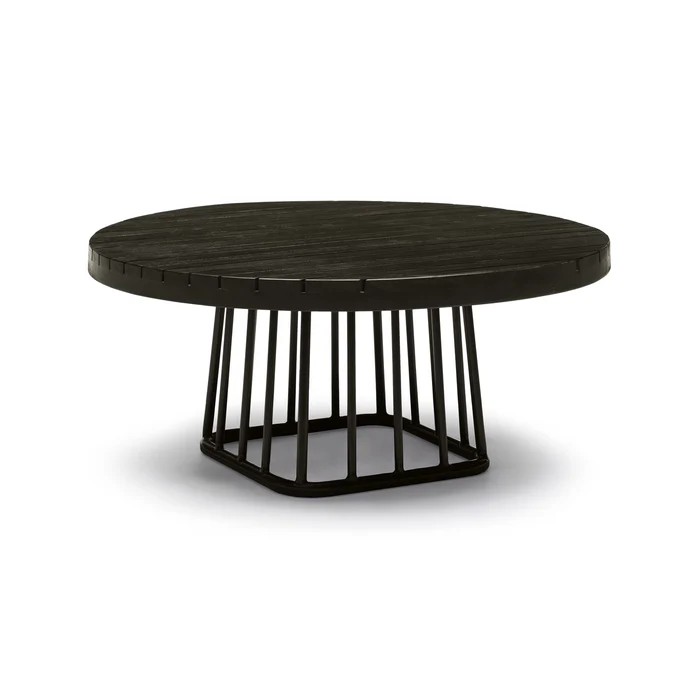


Showing 1–12 of 64 results

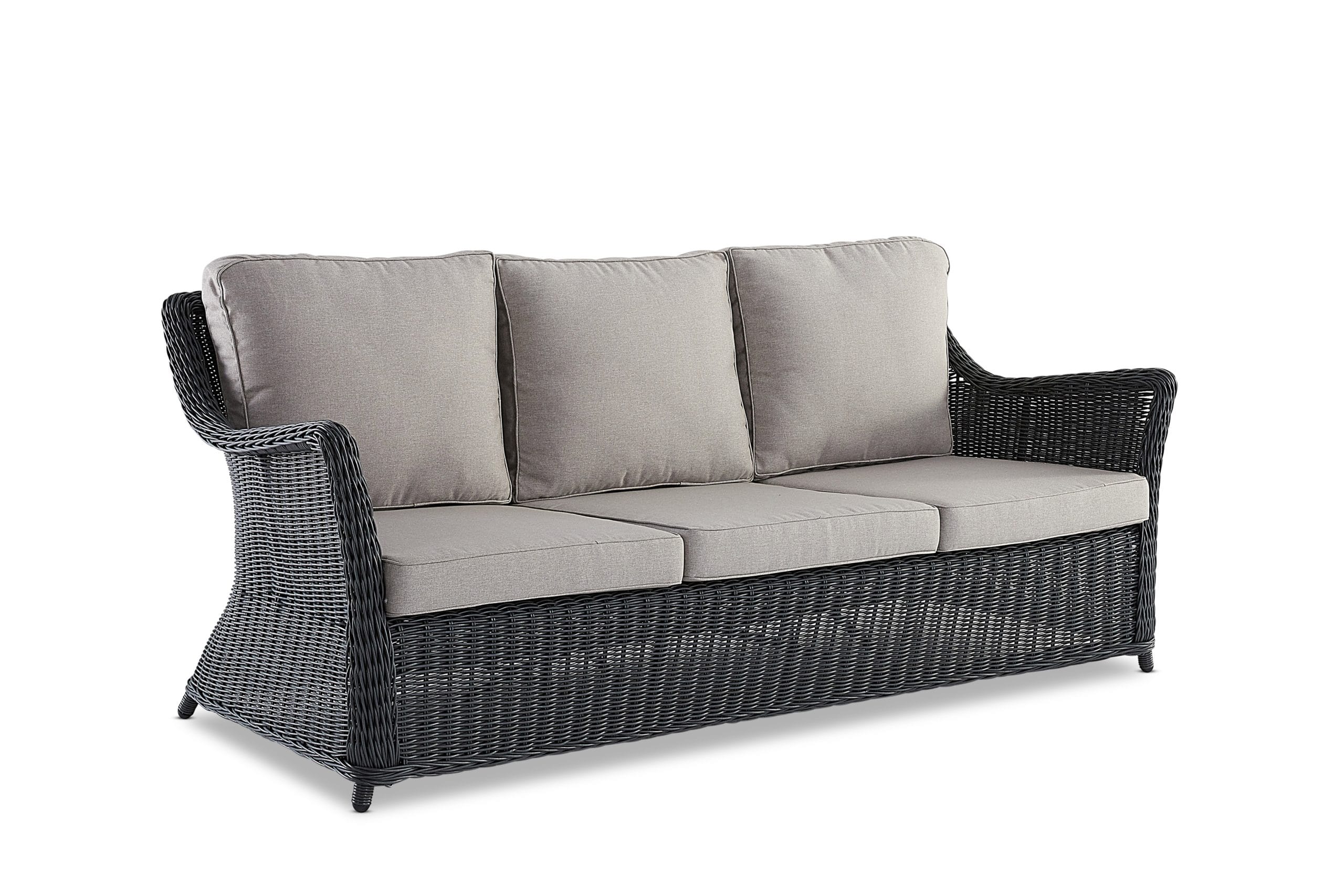
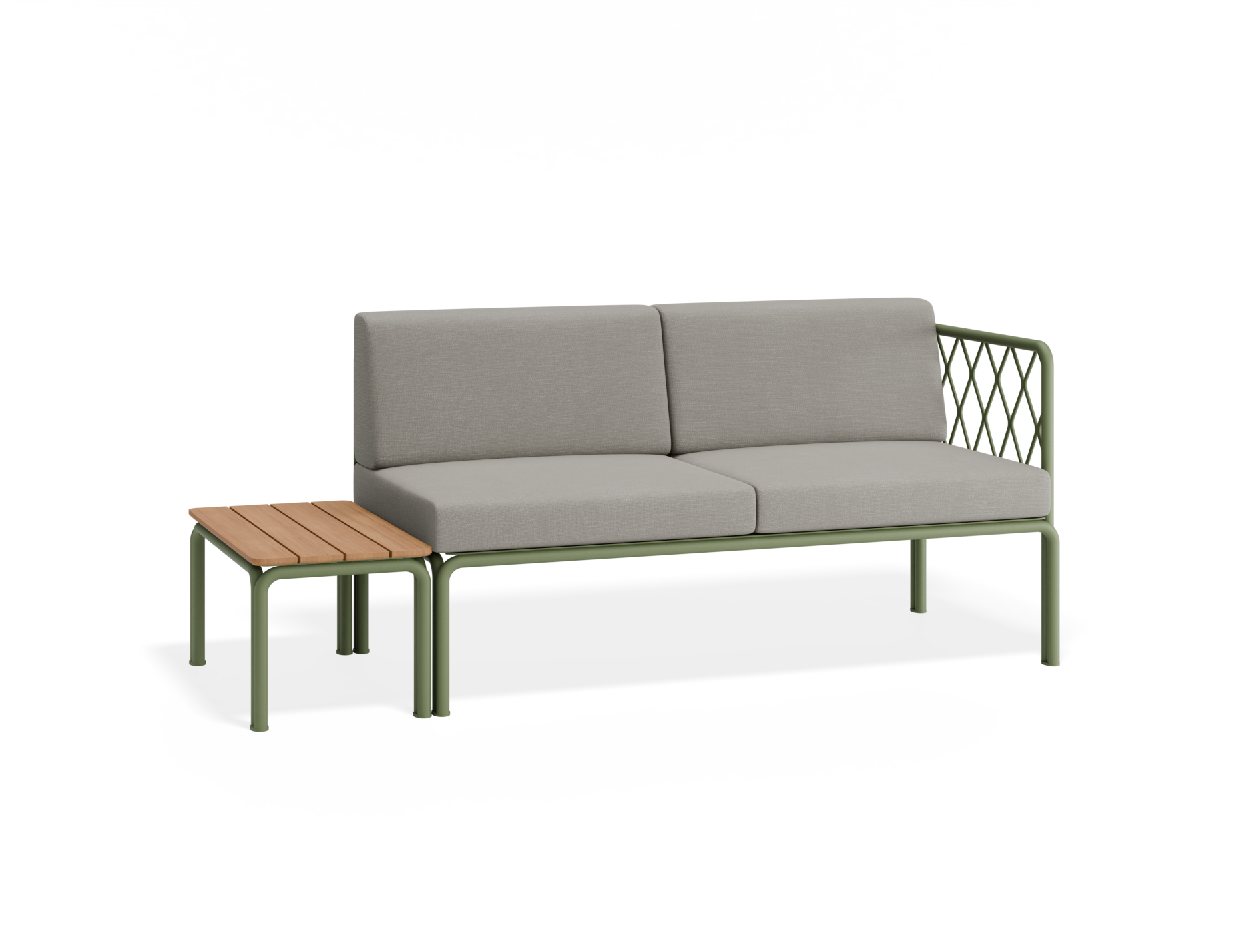
3 Person Garden Bench

910x610mm Stainless Steel Kitchen Bench Commercial Work Food Prep Table
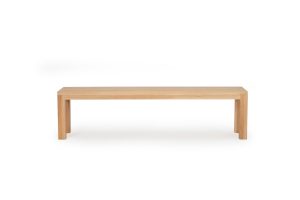
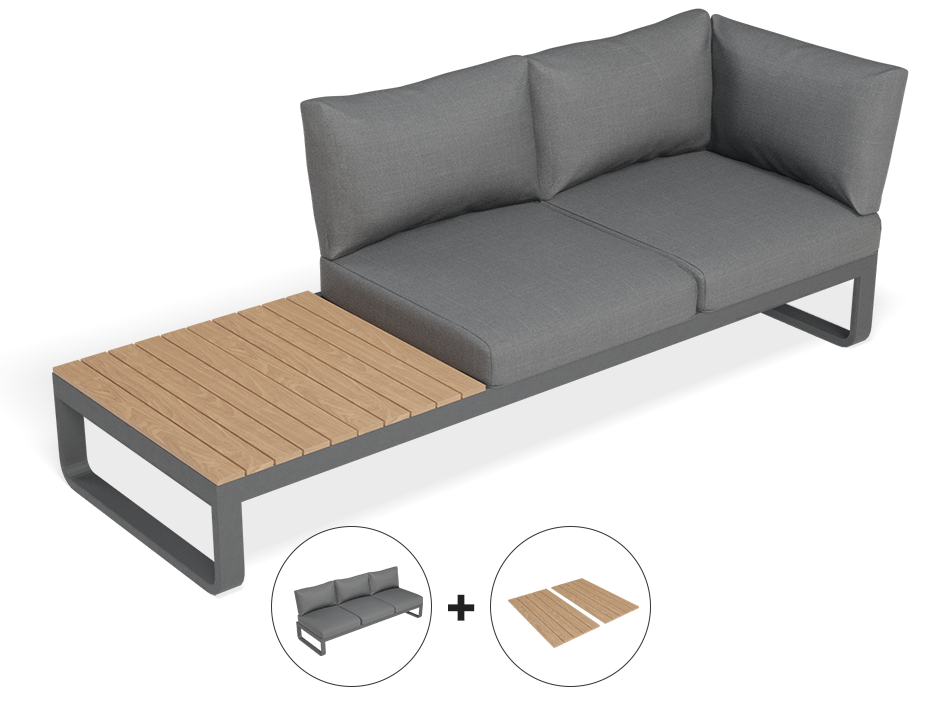
Alexander Bench Seat – 2.6m

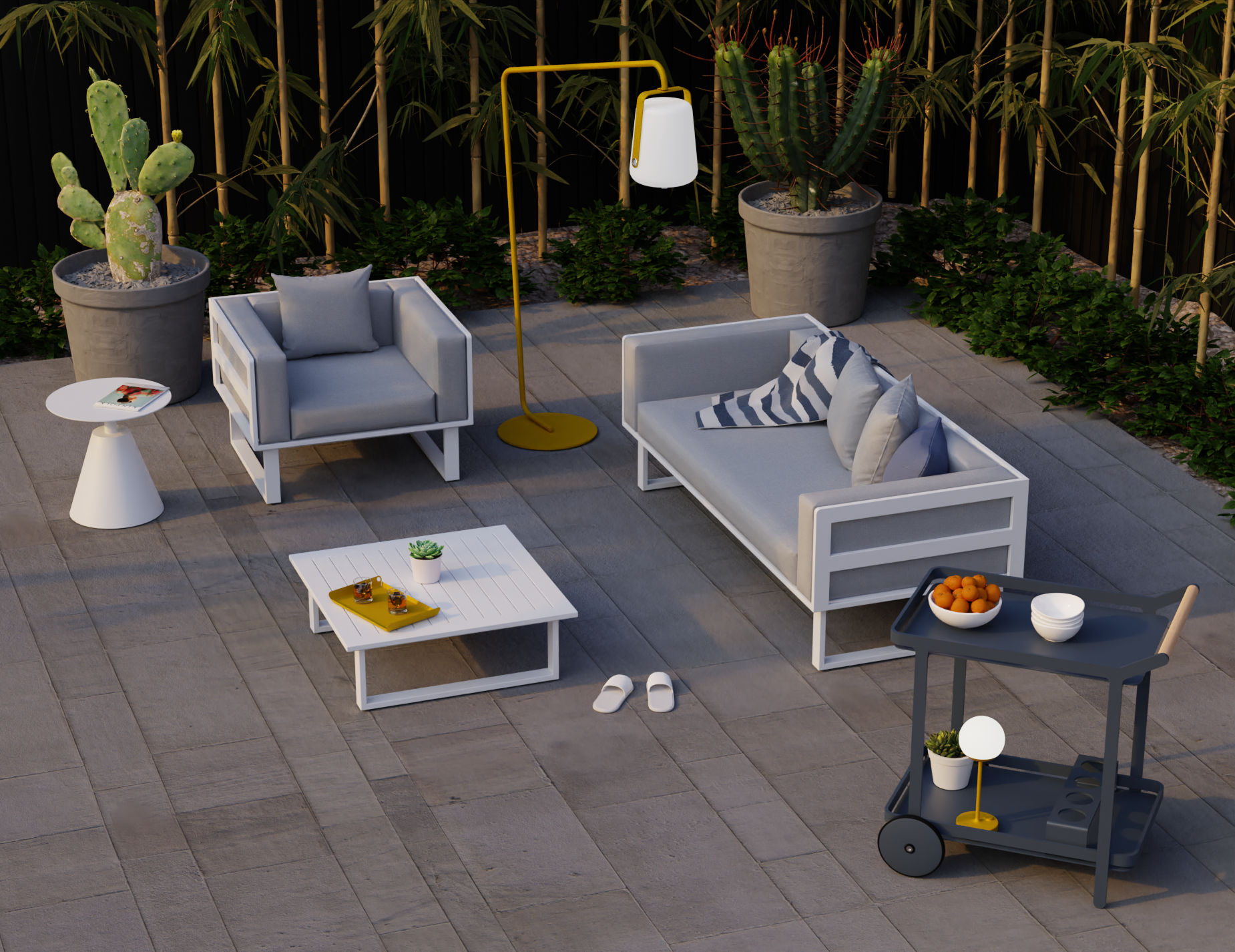
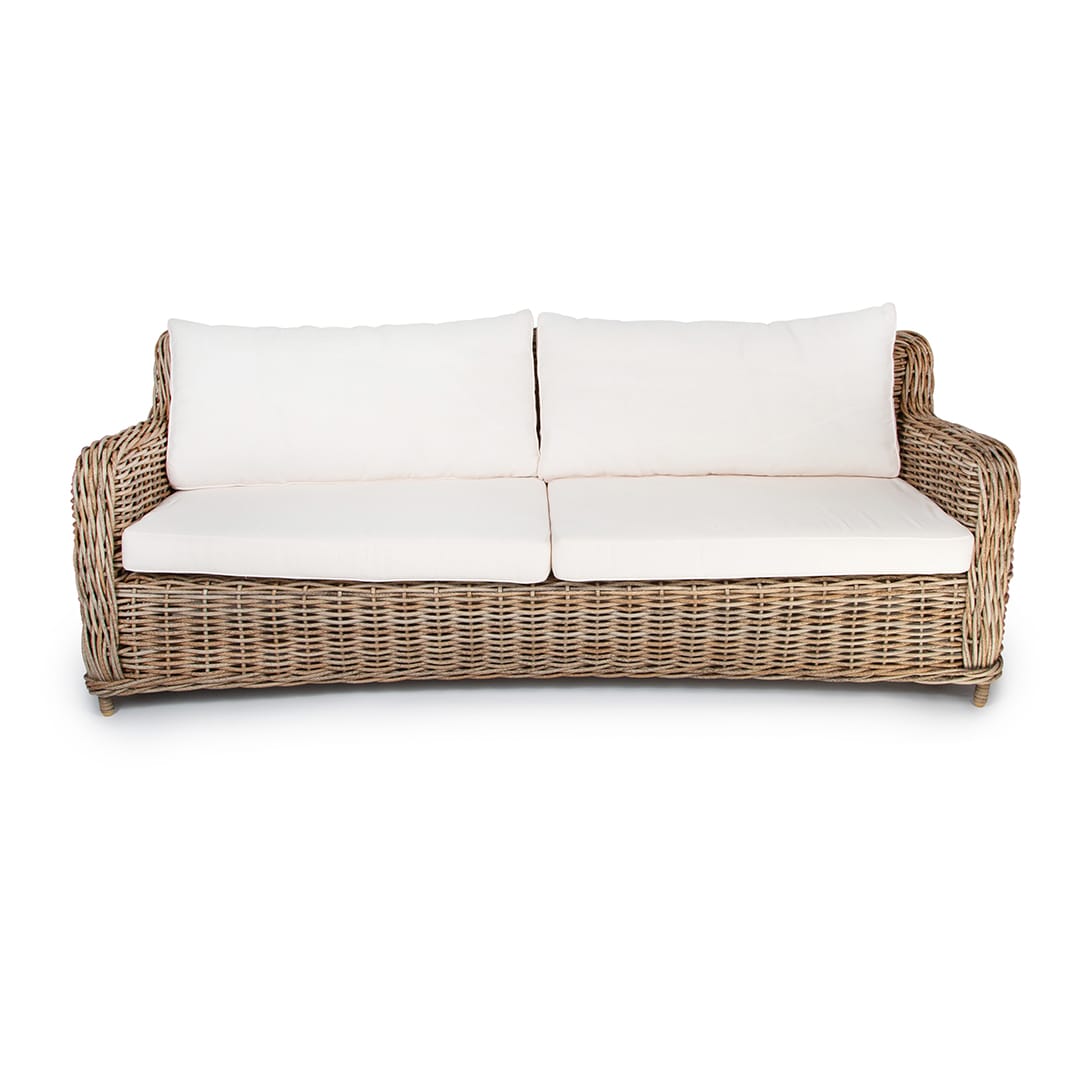
Espanyol 2 Seater Bench
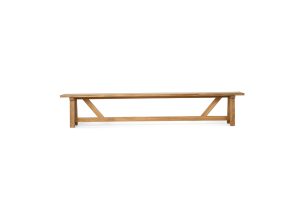
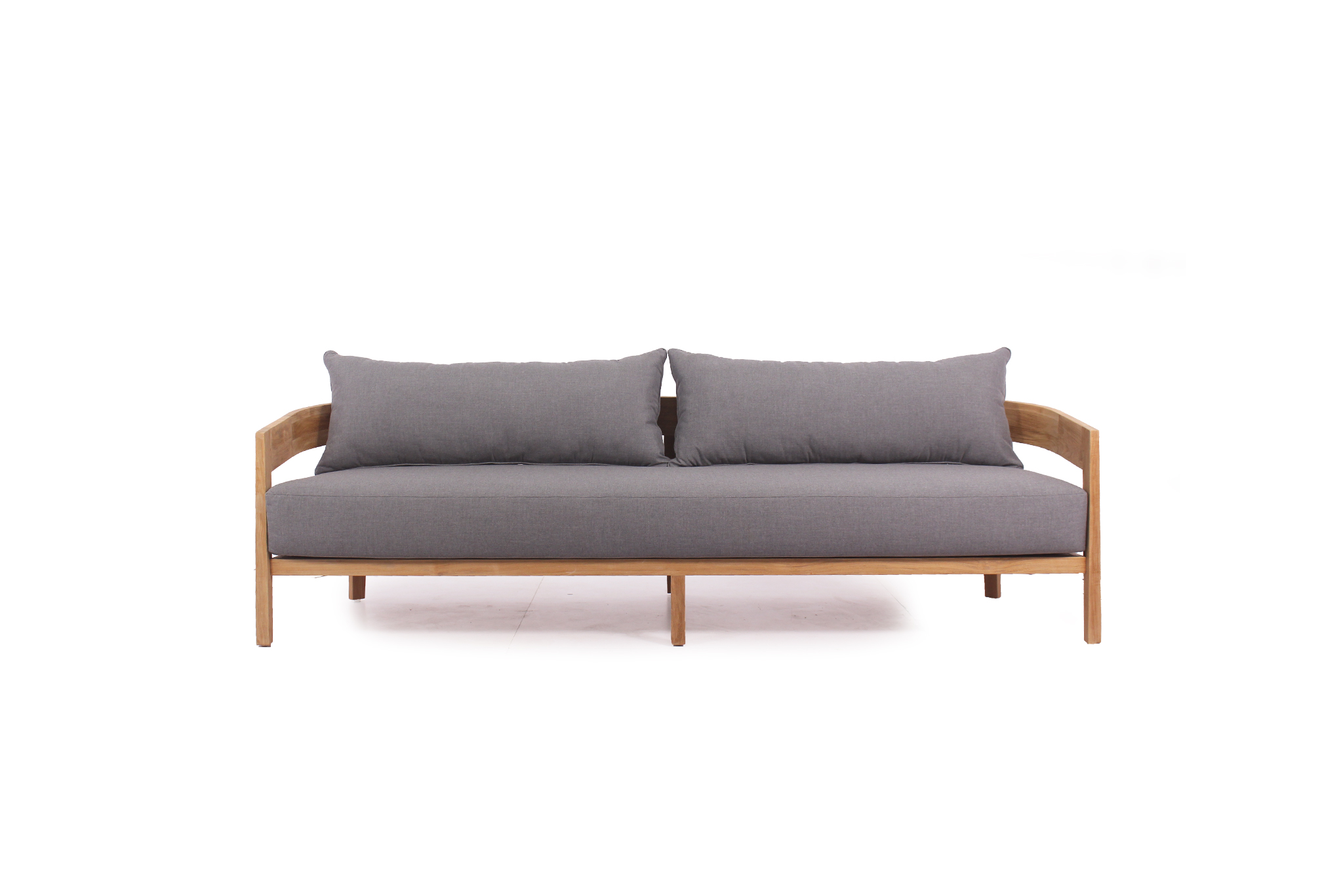
Farmhouse Bench Seat- 2.1m
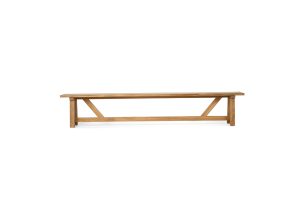
Farmhouse Bench Seat- 2.6m
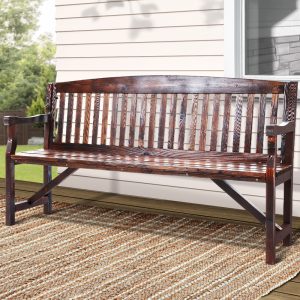
Gardeon 5FT Outdoor Garden Bench Wooden 3 Seat Chair Patio Furniture Charcoal
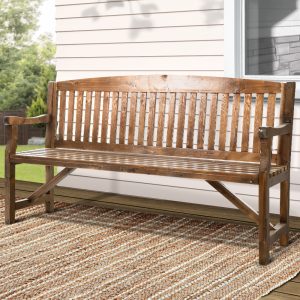
Gardeon 5FT Outdoor Garden Bench Wooden 3 Seat Chair Patio Furniture Natural
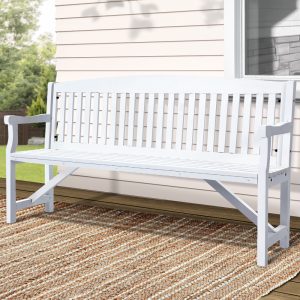
Gardeon 5FT Outdoor Garden Bench Wooden 3 Seat Chair Patio Furniture White

Gardeon Garden Bench Seat Steel Outdoor Patio Park Lounge Backyard Chair Black

Gardeon Garden Bench Seat Steel Outdoor Patio Park Lounge Backyard Chair Grey
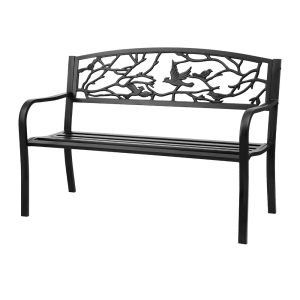
Gardeon Outdoor Bench Seat Garden Steel Outdoor Furniture 3 Seater Park Black
Outdoor Benches That Bring Comfort and Character to Outdoor Spaces
Outdoor benches do more than provide extra seating. They help shape the way an outdoor area feels and functions. A well-placed bench can soften a garden corner, complete a patio setting, or create a welcoming spot near an entryway. It is one of the simplest ways to make an outdoor space feel more inviting without filling it with bulky furniture.
For many buyers, outdoor benches offer the right balance of style and practicality. They can be used on their own as a feature piece or paired with other outdoor furniture to create a more complete setting. Some are chosen for quiet garden seating, while others are selected to support dining areas, verandahs, or entertaining spaces. The best outdoor bench is one that suits the size of the area, feels comfortable to use, and matches the overall look of the space.
Because outdoor furniture needs to work hard, it also helps to choose a bench that offers durability as well as visual appeal. Material, finish, size, and comfort all play a part in finding a bench that will look right and feel useful every day.
A Simple Way to Add More Seating Without Overcrowding the Space
One of the biggest advantages of outdoor benches is how much seating they offer without taking over the area. In spaces where several chairs may feel too busy or too crowded, a bench can provide a cleaner and more compact solution. It adds function while keeping the layout open and easy to move through.
This makes outdoor seating benches especially useful in narrow patios, along pathways, against walls, or beside garden beds. They can fit neatly into places where larger furniture might feel too heavy. In smaller outdoor areas, that matters. A bench can make the space more usable without reducing the sense of openness.
Outdoor benches also work well when you want flexible seating. A bench near a dining table can help accommodate extra guests. A bench placed under a window, beside a front door, or at the edge of a deck can offer a relaxed place to sit without needing a full outdoor lounge arrangement. In larger gardens, a bench can be used to create a quiet pause point that feels separate from the main entertaining area.
This practical flexibility is part of what makes outdoor benches so appealing. They can serve a decorative role, a social role, or an everyday function depending on where they are placed and how they are styled. For buyers who want useful outdoor furniture that does not overwhelm the layout, benches are often one of the most effective choices.
Outdoor Bench Styles for Different Looks and Layouts
Outdoor benches come in many styles, and the right one depends on both the look of the space and the way the bench will be used. Some buyers want a bench that acts as a standout design feature. Others need a simple seat that works quietly in the background while still adding comfort and function.
Garden benches often have a softer and more decorative feel. They work well among plants, along pathways, or beneath trees where the goal is to create a calm and settled outdoor setting. These benches can help a garden feel more considered and more inviting, especially when placed where there is a pleasant view or a shaded area to enjoy.
Patio benches usually take a more practical role. They may be used beside dining settings, along a wall, or as extra seating in entertaining spaces. Their shape and finish often lean toward a cleaner, more structured look that works well with paved outdoor areas, decks, and verandahs.
Backless benches are a smart option when flexibility matters most. They can slide neatly under tables, fit into tighter layouts, and move more easily between different parts of the home. This makes them useful for buyers who want space-saving outdoor furniture that still feels stylish. Benches with backs and arms, on the other hand, usually provide a more relaxed seating experience. They are often better suited to areas where people may want to sit for longer periods, such as porches, garden corners, or quiet outdoor reading spots.
Style also affects the overall mood of the space. A timber bench can feel warm and classic. A sleek metal or aluminium bench may suit a more modern setting. A curved or detailed design can create a softer look, while straight lines and simpler forms often feel more contemporary. Choosing the right style helps the bench feel like part of the outdoor space rather than just an extra seat placed at random.
Materials That Shape the Look and Performance of Outdoor Benches
Material choice has a strong effect on both the appearance and everyday performance of outdoor benches. It influences maintenance, durability, comfort, and how the bench fits into the wider outdoor setting.
Timber outdoor benches are often chosen for their natural character. Wood brings warmth and texture, which can help gardens and patios feel more relaxed and welcoming. Timber suits a wide range of design styles, from rustic and traditional spaces to more refined outdoor settings. For many buyers, it offers a timeless look that works well in almost any home. It does, however, usually need more regular care than some low-maintenance materials.
Metal outdoor benches can create a stronger and more defined look. Depending on the design, they may feel classic, decorative, or modern. Aluminium options are often popular because they are lighter in weight and resist rust well, making them practical for many outdoor conditions. Powder-coated finishes can help protect the surface and maintain a cleaner appearance over time.
Some outdoor bench seat designs combine materials to create both visual contrast and practical value. A bench may pair a metal frame with timber slats, or use weather-friendly materials that are designed to be easy to clean and simple to maintain. These mixed-material options can suit buyers who want the warmth of natural finishes with the strength and stability of metal construction.
When comparing materials, it helps to think about where the bench will sit and how exposed it will be. A covered porch may allow for more flexibility in finish, while an open garden or fully exposed patio may call for stronger weather-resistant qualities. The best material is not only the one that looks good on the day it arrives, but the one that continues to work well over time with a level of maintenance that suits your routine.
Choosing the Right Outdoor Bench for Size, Comfort and Use
The best outdoor bench is not always the largest or the most decorative. It is the one that suits the space properly and feels right for the way it will be used. A bench placed by a front door has different needs from one used in a dining area or a shaded garden corner.
Start with size. Measure the area carefully and think about how much room should remain around the bench for movement. A bench that is too long for the space can make the area feel cramped, while one that is too small may look out of proportion or fail to provide enough seating. The aim is to create balance. The bench should feel connected to the area without dominating it.
Comfort matters too, especially if the bench will be used often. Seat depth, height, back support, and armrests all affect how comfortable the bench feels. If the bench is mostly decorative or intended for short periods of sitting, a simpler design may be enough. If it is meant for longer use, such as relaxing on a porch or sitting in the garden, added support becomes more important. Cushions can improve comfort, but the bench itself should still have sound proportions and a stable design.
It also helps to think about the bench’s purpose. Some benches are used as everyday seating near the home. Others are chosen to support outdoor dining tables or to offer occasional extra seating when guests visit. A bench for a social entertaining area may need a different shape and finish from one placed in a quiet landscaped space. By matching the size, comfort level, and overall purpose, buyers can choose a bench that feels useful from the start rather than decorative only.
Where Outdoor Benches Work Best Around the Home
Outdoor benches are versatile because they can be used in so many different places. Their shape allows them to fit naturally into spots where other furniture may not work as well, and that gives buyers more freedom when planning outdoor layouts.
A front porch or entry area is one of the most popular places for an outdoor bench. In these spaces, a bench can make the entrance feel more welcoming while also providing a practical spot to sit. Patios and decks are another natural fit. Here, a bench can be used on its own or alongside a dining setting to create extra seating without filling the area with too many separate chairs.
Garden placement brings a different kind of value. A bench beneath a tree, beside a path, or facing a lawn can create a quiet destination within the landscape. It encourages people to pause and enjoy the space rather than simply pass through it. In this setting, the bench often becomes part of the garden design as much as part of the furniture selection.
Outdoor benches can also work well beside fire pits, along fences, near pools, or at the edge of entertaining zones where extra seating is useful but a full lounge setting is not needed. The best placement depends on the mood and function you want to create. Some positions call for comfort and longer sitting, while others focus more on convenience and visual balance. Thinking about location before buying can help you choose the right style, finish, and size with more confidence.
Styling Outdoor Benches with Cushions, Planters and Surrounding Furniture
An outdoor bench can look simple on its own, but the right styling helps it feel like a finished part of the space. This does not need to be complicated. A few carefully chosen details can turn a bench into a more inviting and visually balanced feature.
Cushions are often the easiest way to soften the look of a bench and make it feel more comfortable. They also allow buyers to introduce colour, texture, or seasonal variation without changing the furniture itself. A bench with neutral tones can be made to feel more relaxed, coastal, classic, or modern depending on the fabrics around it.
Planters are another useful styling tool. Placing a bench near greenery helps it feel grounded in the outdoor setting. Side tables, lanterns, and outdoor rugs can also help define the area and make the seating position feel more intentional. In a patio setting, a bench may be styled as part of a full arrangement with dining furniture or occasional tables. In a garden, it may be left more open so the surrounding landscape becomes the main visual focus.
Styling works best when it reflects the character of the outdoor area. A rustic timber bench might suit natural planting and earthy tones, while a sleek aluminium design may work better with clean paving lines and minimal accessories. The aim is not to over-style the bench, but to help it feel naturally connected to the rest of the space.
Built for Outdoor Living and Easy Everyday Use
Outdoor furniture needs to cope with real use, not just look appealing in a showroom. A good bench should be easy to live with, easy to maintain, and reliable in changing outdoor conditions. This is especially important when the bench is placed in a spot that is used often.
Durability starts with material choice and construction quality. A well-made outdoor bench should feel stable, balanced, and suited to the level of exposure it will face. Finishes also matter. They help protect the bench and can reduce the amount of maintenance needed to keep it looking tidy and well cared for.
For many buyers, easy upkeep is a major deciding factor. Some prefer the natural appeal of timber and are happy to maintain it over time. Others want weather-resistant benches that are simple to wipe down and continue looking smart with less effort. Both approaches can work well, depending on the home and the buyer’s routine.
The key is to choose a bench that fits everyday life. Outdoor furniture should not feel like something that is difficult to manage. It should support the space, feel practical to use, and continue adding comfort and style over time.
Find an Outdoor Bench That Fits Naturally Into Your Space
The right outdoor bench can do a lot with very little. It can add seating, improve the feel of a space, and create a more welcoming outdoor setting without making the area feel crowded. Whether you are furnishing a garden, patio, porch, or entryway, the best bench is one that suits both the layout and the way you want to use the space.
When comparing outdoor benches, it helps to look closely at style, material, comfort, and proportion. A bench should feel right for its setting and useful in everyday life. Some buyers will want a decorative garden bench that adds charm to a quiet corner, while others may prefer a simple patio bench that offers flexible extra seating. By focusing on what the space needs most, it becomes much easier to choose a bench that feels practical, comfortable, and visually at home.
Outdoor Furniture Co.
At Outdoor Furniture Co., we choose furniture that combines practical use with lasting style. Our collections are designed to help customers create spaces that feel comfortable, welcoming, and easy to enjoy every day. Whether you are looking for a bench for a patio, garden, porch, or entertaining area, our range is selected to bring together durability, comfort, and a look that works naturally in outdoor spaces.
Outdoor Bench Buying Questions Answered
What is the best material for an outdoor bench? The best material depends on the style you want, the level of weather exposure, and how much maintenance you prefer. Timber, aluminium, and metal all offer different advantages in appearance, durability, and ease of care.
Where should I place an outdoor bench? Outdoor benches work well on patios, porches, in gardens, beside pathways, near entryways, or alongside dining settings. The best position depends on whether the bench is for everyday seating, decoration, or occasional extra use.
Are outdoor benches comfortable for long periods of sitting? Comfort depends on the bench design. Features such as back support, armrests, seat depth, and cushions can make a big difference. Some benches suit short seating, while others are better for relaxed outdoor sitting.
Can an outdoor bench stay outside all year? Many outdoor benches are designed for year-round use, but the material and finish should match the level of outdoor exposure. Choosing a weather-suitable bench helps improve long-term performance and keeps maintenance more manageable.
How do I choose the right size outdoor bench? Choose a size that fits the available space without making it feel crowded. Leave enough room around the bench for movement and make sure it provides the right amount of seating for the area and purpose.
Do outdoor benches work with other outdoor furniture? Yes, outdoor benches can pair well with dining tables, side tables, coffee tables, and lounge settings. Matching scale, colour, and overall style helps the bench feel like a natural part of the full outdoor arrangement.