

You want your outdoor space to feel comfortable and inviting, a place to relax, gather with family, and host friends. The right furniture can turn a basic backyard into a personal retreat. As patios become true extensions of the home, the choice between an outdoor sofa and an outdoor sectional matters more than ever. Sofas and sectionals account for about 33% of global outdoor furniture demand, showing how often homeowners weigh these two options.
But exactly, which one do you need to choose for your outdoor? At first glance, they seem similar: both provide cushioned, weather-ready seating and anchor an outdoor living area. The differences appear when you consider available space, layout flexibility, seating capacity, cost, and how you plan to use the area over time.
In this comparison guide, we will show the differences between sofas and sectionals, their pros and cons, helping you choose seating that fits your patio lifestyle.

What Is an Outdoor Sofa?
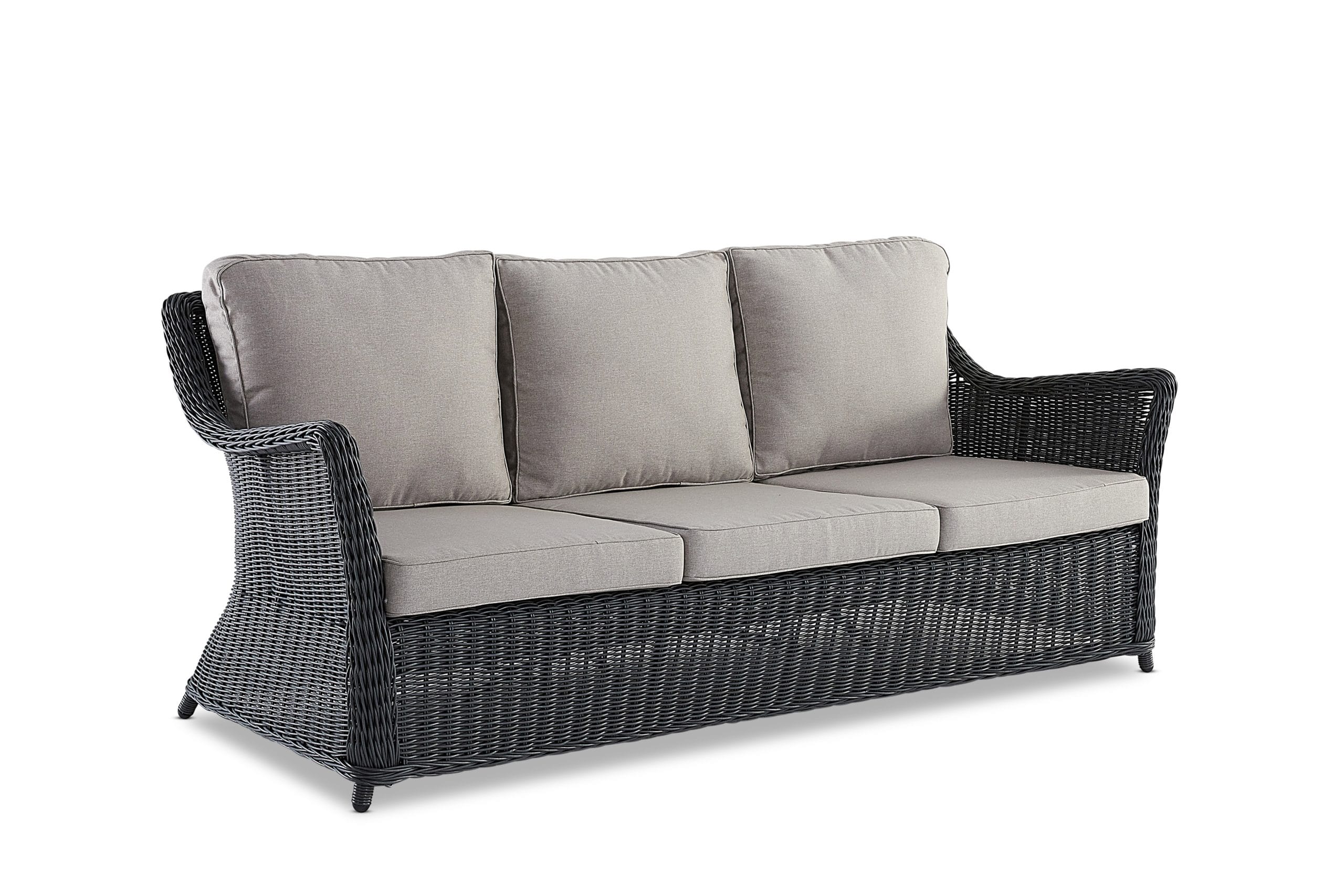
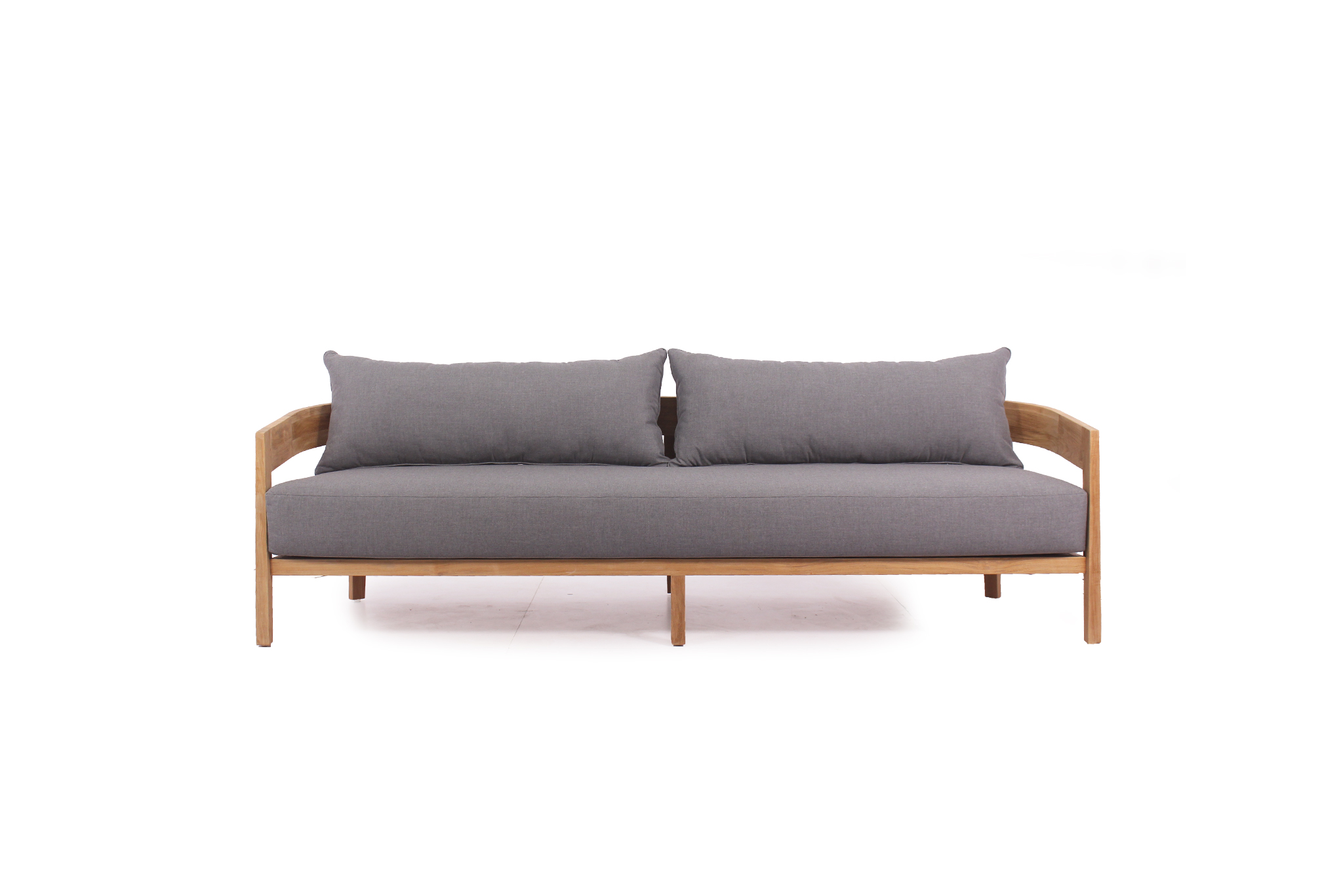
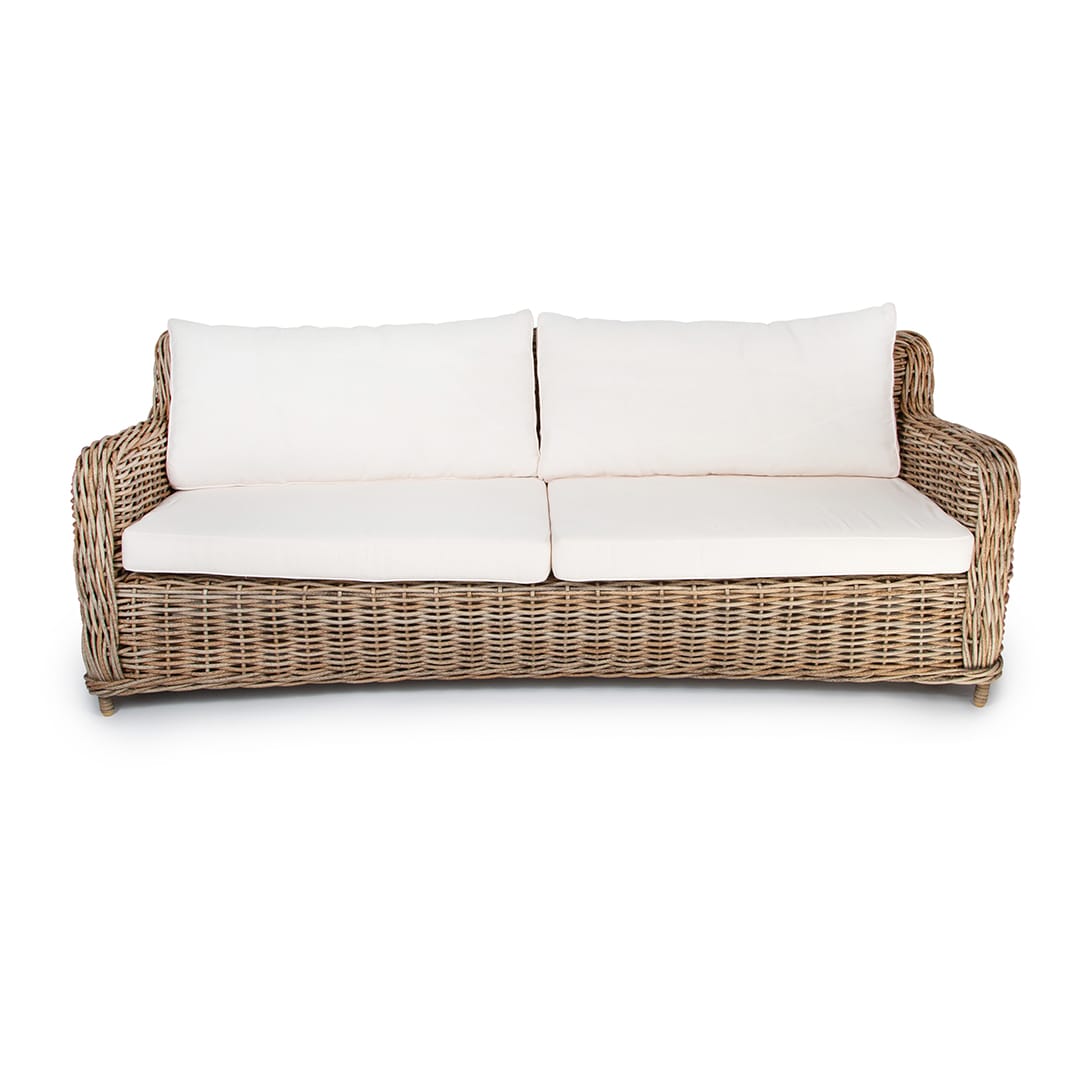
An outdoor furniture sofa is a single seating unit designed for exterior use. It usually seats two to four people. The structure is fixed, which means you cannot rearrange its shape.
Think of it as the outdoor version of your living room couch. It often comes with armrests, a backrest, and weather-resistant cushions.
Typical Uses
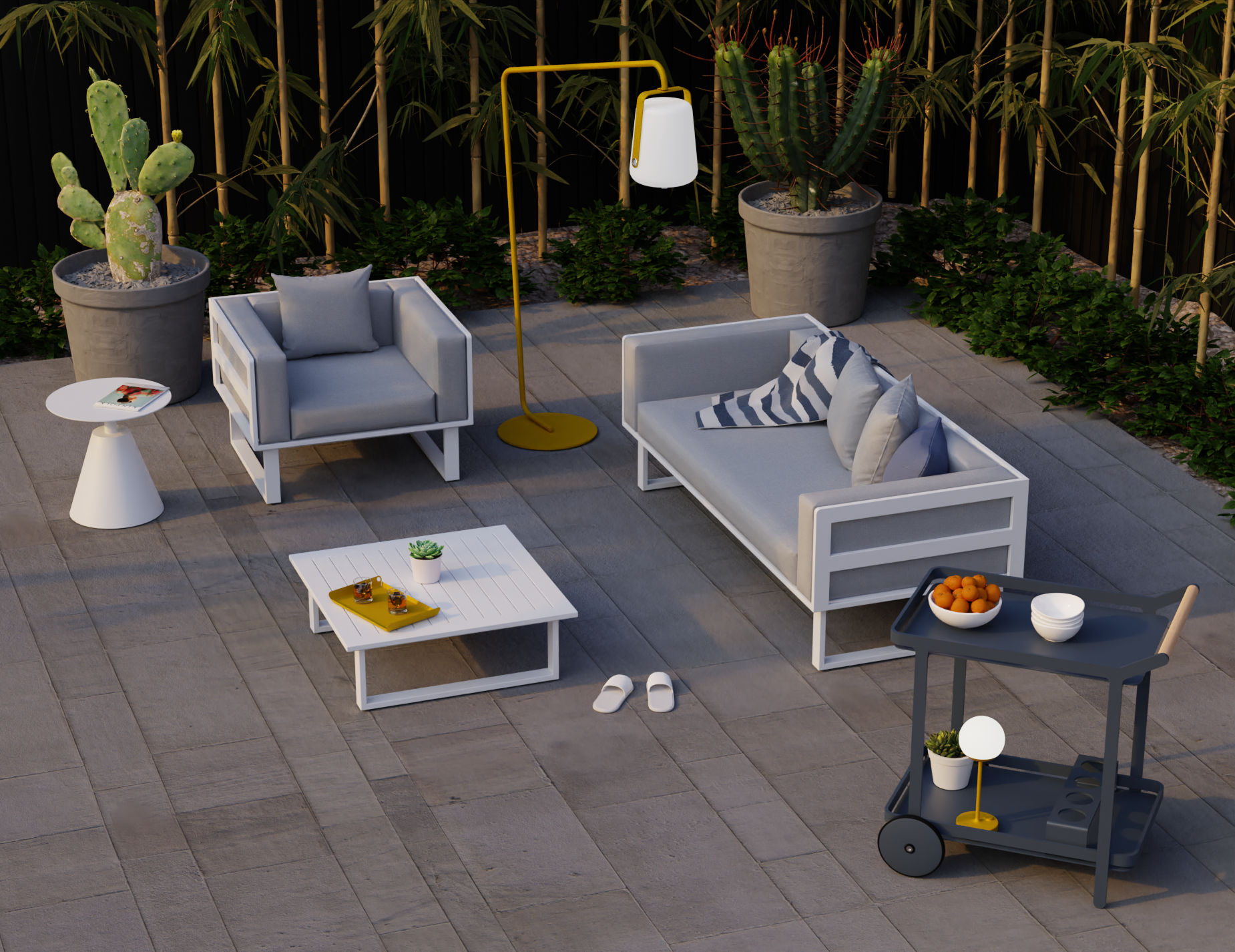
You will often see a garden sofa placed:
- Against a wall or railing
- Facing a coffee table
- As the centrepiece of a small patio
- Paired with chairs to complete a seating set

What Is an Outdoor Sectional?
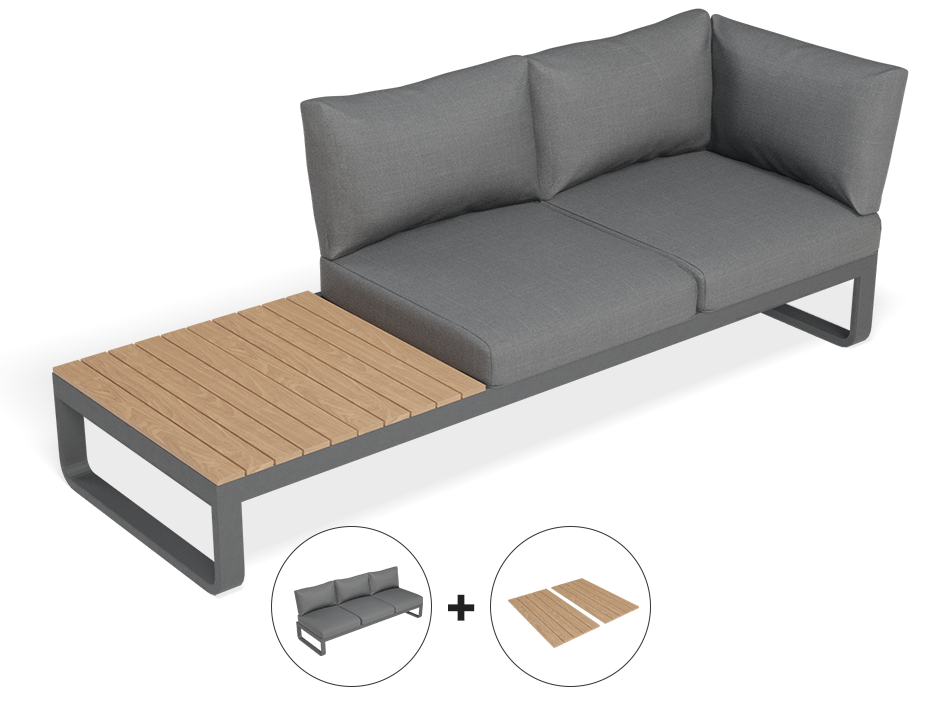
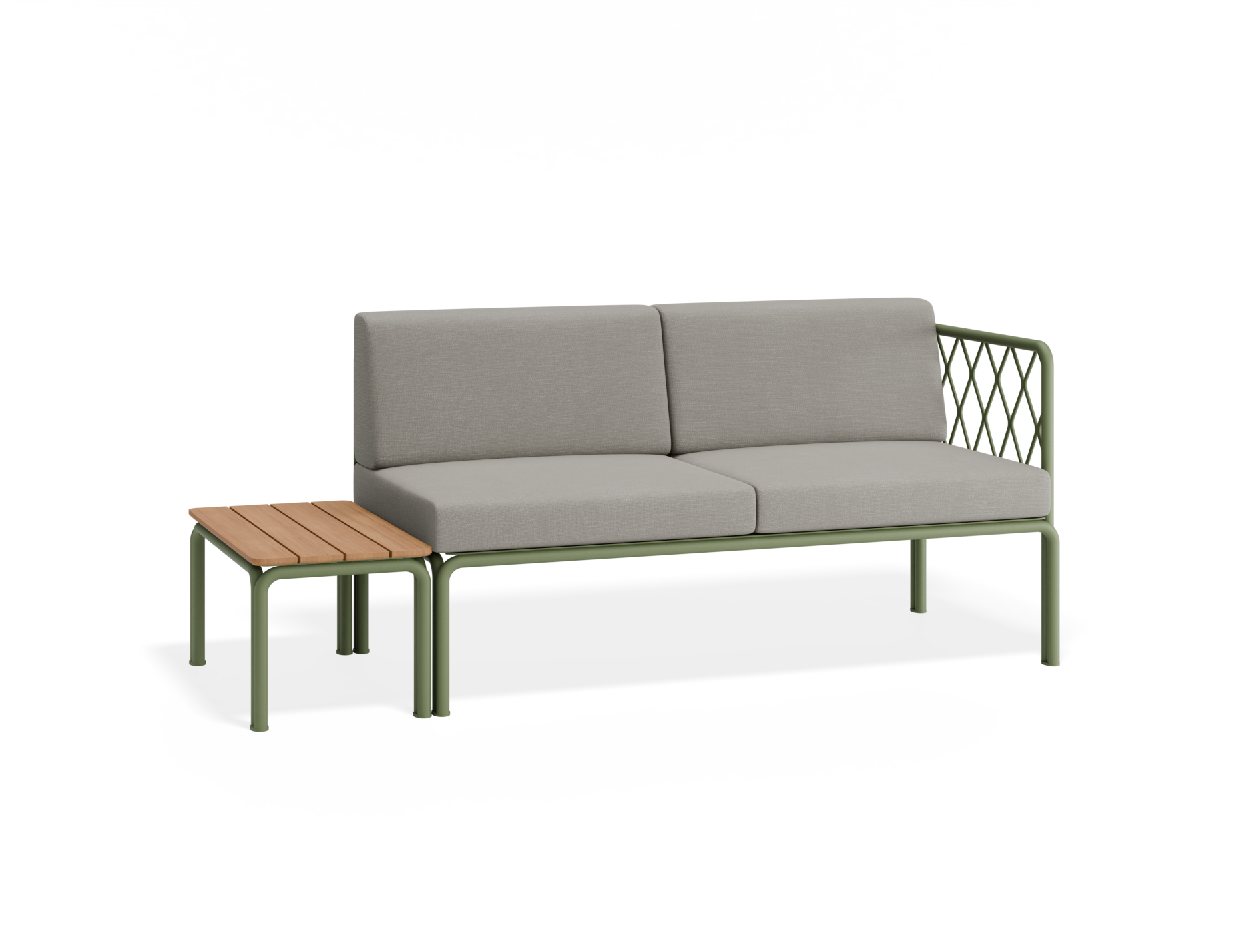
An outdoor sectional is made of multiple pieces that connect to form a larger seating arrangement. You can say it’s a multi-piece modular sofa, which you can rearrange into different layouts as per your needs.
Common configurations of an outdoor sectional include:
- L-shape
- U-shape
- Curved arrangement
- Separate chairs
An outdoor sectional is also known as modular outdoor seating.
Why Sectionals Are Popular
Outdoor entertaining has increased significantly. More than 78 million modular outdoor seating units were sold worldwide in 2023, which is 26% of total outdoor furniture sales. This is because homeowners use their outdoor areas for social gatherings, which drives demand for larger seating solutions.
Sectionals create a true outdoor lounge environment. They encourage conversation because everyone faces inward.

Outdoor Sofa vs Outdoor Sectional: Comparison Table
Here is an outdoor seating comparison between patio sofa vs sectional at a glance.
| Feature | Outdoor Sofa | Outdoor Sectional |
| Space Required | Minimal / Compact | Large Footprint |
| Seating Capacity | 2–3 People | 4–8+ People |
| Flexibility | Fixed Frame | Modular Outdoor Seating |
| Best Use | Intimate Gatherings | Outdoor Seating for Entertaining |
| Layout Style | Symmetrical / Formal | Casual / Lounging |
| Typical Cost | Lower (Entry-level) | Higher (Multiple units) |
| Weight | Moderate | Heavy (Total set) |

Outdoor Sofa vs Outdoor Sectional — Core Differences Explained
Here is the side-by-side breakdown of the differences between outdoor sofas and outdoor sectionals, which will help you to understand their core aspects of usage.
1. Size and Space Requirements
The sizes of both types and your available spaces are the biggest deciding factors when choosing between outdoor sofas and outdoor sectionals.
Sofas for Small Spaces
A sofa fits easily into narrow patios or balconies. So, if you have a balcony or narrow patio, a single outdoor sofa works best.
A sofa leaves room for:
- Walkways
- Tables
- Plants
- Storage.
Choose a sofa if you have:
- Less than 15 square meters
- Narrow walkways
- Apartment balcony
Sectional for Large Spaces
You need an open space for a sectional to install to utilise it properly. Without enough room, it can make your patio feel cramped.
If you have a big deck or backyard, a sectional can define a full outdoor living zone. It creates a true outdoor living room furniture arrangement.
Use a sectional if you want:
- Zoned seating areas
- Conversation layouts
- Entertainment-focused seating
Choose a sectional if you have:
- Large deck
- Open backyard
- Poolside lounge area
Proper space planning for outdoor furniture prevents overcrowding and improves comfort.
2. Layout Flexibility
A sofa has a fixed shape. Once you place it, it stays that way.
A sectional offers flexibility. You can separate modules to create:
- Two smaller seating areas
- A corner lounge
- A long bench
This flexibility makes sectionals suitable for evolving needs.
If you host different types of events, modular seating gives you more control.
3. Comfort and Seating Experience
When it comes to the seating experience, comfort isn’t just about softness—it’s about how the furniture supports your body during different activities.
Research indicates that roughly 80% of buyers say comfort is the most important factor when choosing outdoor furniture.
Outdoor Sofa Comfort: Structured Support
The traditional outdoor sofa is engineered for an upright, ergonomic experience. Because the frame is a single, rigid unit, it provides consistent back support throughout the seating area.
- Posture-Perfect: Most sofas have a shallower seat depth (typically 50 cm to 60 cm). This prevents that “sinking” feeling, making it much easier for guests—especially older adults—to sit down and stand up without strain.
- Conversational Ease: The upright nature of a garden sofa is ideal for active engagement. If you spend your time drinking coffee, reading, or chatting, the sofa keeps your spine aligned and your head at a natural level for eye contact.
- Uniformity: Every seat on a standard sofa feels the same. You don’t have to worry about “the crack” between modular pieces, which can sometimes be felt in lower-quality sectionals.

Sectional Comfort: The Lounge Experience
If the sofa is for “sitting,” the outdoor sectional is for “reclining.” These pieces are designed to mimic the cozy, enveloping feel of an indoor media room or outdoor seating environment.
- Deep Seating: Sectionals often feature a deeper seat (often 70 cm+), allowing you to tuck your feet up under you. This “deep-seated” design is a hallmark of outdoor lounge furniture.
- The Chaise Advantage: Many modular outdoor sectional designs include a chaise lounge or an ottoman. This allows for full-body extension, making it the superior choice for afternoon naps or sunbathing.
- The Corner “Sweet Spot”: The corner seat of a sectional is often the most coveted spot. It provides armrests and back support on two sides, creating a “nook” that feels incredibly secure and relaxing.
4. Cost Considerations
Outdoor Sofa
- Lower upfront cost
- Less material used
- Affordable entry option
Outdoor Sectional
- Higher price due to size
- More components
- Greater shipping cost
So, the choice between these two also depends on the costs you want to spend based on your needs.
5. Differences in Maintenance Requirements
Maintaining an Outdoor Sofa
Because an outdoor sofa consists of a single, fixed frame, its maintenance is generally straightforward. There are fewer “nooks and crannies” for debris to hide, making it a favourite for those who want a low-effort patio.
- Regular Cushion Cleaning: Dust and pollen can settle on the fabric, leading to mildew if left alone. Using a soft brush can sweep away loose dirt once a week.
- Frame Stability Checks: Inspect the legs and joints once a season. Since the frame is a single unit, any wobbling usually means a screw needs tightening, or a foot-leveller needs adjusting.
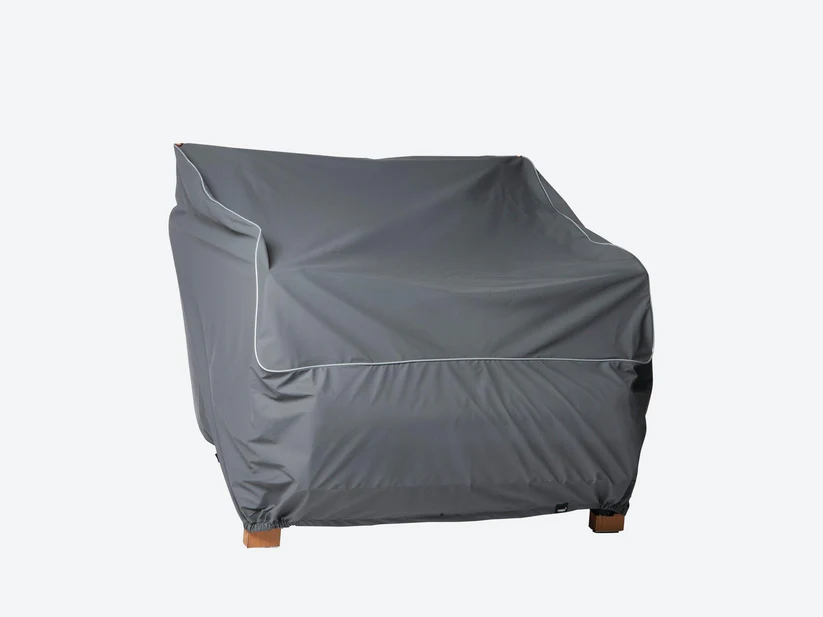
- Protective Covering: During heavy rain or the off-season, a single large cover is easy to throw over a sofa. This prevents UV rays from fading the outdoor sofa materials and keeps the frame dry.

Maintaining an Outdoor Sectional
A sectional requires a bit more attention because it is made of multiple independent modules. More pieces mean more surface area to clean and more components to manage.
- Secure the Connectors: The most important task for a sectional is checking the “clips” or “mending plates” that hold the modules together. Over time, heavy use or kids jumping on the furniture can cause these to loosen. So, you need to check them monthly to ensure your modular outdoor sectional design stays seamless.
- Cushion Rotation: Since people often gravitate toward the corner seat or the chaise, those cushions will wear out faster. You should rotate your seat and back cushions every few weeks to ensure even wear and maintain the outdoor sofa cushion thickness across the entire set.
| Task | Outdoor Sofa | Outdoor Sectional |
| Cleaning Effort | Low (One unit) | Moderate (Multiple units) |
| Debris Trapping | Minimal | High (In between gaps) |
| Component Care | Simple frame check | Secure connectors monthly |
| Cushion Longevity | Standard wear | Requires frequent rotation |
| Covering Difficulty | Very Easy | Moderate (Needs a custom-fit cover) |
Advantages of an Outdoor Sofa
- Works well in small spaces: If you have a balcony or compact patio, a sofa fits without crowding the area.
- Clean and structured appearance: A sofa creates a neat layout that looks organised.
- Easy to move: Most models are lighter than sectionals.
- Lower cost: A single unit typically costs less than modular seating.
Limitations
- Limited seating capacity
- No layout flexibility
- Less suitable for large gatherings
Advantages of an Outdoor Sectional
- High seating capacity: Perfect for large families or frequent guests.
- Flexible layouts: You can rearrange modules depending on the occasion.
- Lounge-style comfort: Deeper seats allow you to stretch out.
- Ideal for entertaining: Guests can sit together comfortably.
Limitations
- Requires more space
- Higher cost
- More pieces to maintain

Which One Should You Choose?
Choose an Outdoor Sofa If:
- Your space is small
- You prefer a simple layout
- You want easy maintenance
- You rarely host large groups
Choose an Outdoor Sectional If:
- You entertain frequently
- You have a spacious patio
- You want flexible seating
- You prefer lounge-style comfort
Your lifestyle should guide the decision more than trends.
Additional Tips for Choosing Outdoor Sofas and Sectionals
1. Tips for Choosing Materials for Outdoor Sofas and Sectionals
Outdoor furniture must survive sun, rain, and humidity. Choose among the following materials to
- Aluminium: Lightweight and rust-resistant.
- Wicker: Stylish and weather-friendly when synthetic.
- Teak: Strong natural wood that resists moisture.
Wood remains a preferred material because of its durability and appearance. Quality materials protect against:
- UV fading
- Rust
- Mold
- Cracking
Durability directly affects long-term value.
2. Choose the Proper Thickness of Cushions and Density
Regardless of the frame type, the outdoor sectional and outdoor sofa cushion thickness is the primary driver of comfort. You aren’t just sitting on fabric; you are sitting on a multi-layered engineering marvel designed to survive the elements.
- High-Density Foam: Cheap cushions use “blown fibre” that flattens within a month. High-quality sets use high-density foam (look for a 25kg/m³ to 30kg/m³ rating) that bounces back after every use.
- Quick-Dry Technology: To maintain comfort, cushions must breathe. High-end weather-resistant outdoor furniture uses reticulated foam, which has open pores. If it rains, the water flows straight through, preventing that “soggy sponge” feeling the next day.
- Supportive Layers: The best comfort comes from “sandwich” construction—a firm foam core for support, wrapped in a softer batting for that initial “cloud-like” touch.

Patio Furniture Layout Ideas
A well-planned patio serves as a functional room without walls. How you arrange your pieces determines whether the space feels like a high-end lounge or a crowded storage area.
1. Layout Ideas Using an Outdoor Sofa
The outdoor sofa is a linear masterpiece. Because it has a fixed, straight frame, it is the best tool for creating a “symmetrical anchor” in your garden or outdoor spaces.
This setup is often referred to as a Conversation Set because it forces a face-to-face orientation.
1.1. The Classic Parallel Layout
- The Setup: Place your outdoor furniture sofa directly facing two matching armchairs.
- The Anchor: Position a coffee table in the centre.
- Why it works: This creates a balanced conversation area where guests face each other comfortably. It feels formal and is perfect for serving tea or cocktails.
1.2. The Narrow Deck Solution
- The Setup: Push the sofa against a wall or railing to preserve open floor space.
- The Anchor: Use side tables at each end instead of a central coffee table.
- Why it works: This is one of the most effective small patio seating solutions. It keeps the walkway clear (ideally leaving 75 cm–90 cm of space) while still providing a comfortable spot for outdoor lounge furniture.
2. Layout Ideas Using a Sectional
An outdoor sectional does more than provide seating; it defines a complete outdoor living zone. It acts as a “soft wall” that can separate your grilling area from your relaxation area.
2.1. The “Fire Pit” Focal Point
- The Setup: Arrange an L-shape or curved sectional around a central fire pit or fire table.
- Why it works: This creates a “cocooning” effect. Sculptural and curved silhouettes are trending because they soften the harsh right angles of fences and stone patios
2.2. The U-Shaped Social Hub
- The Setup: Use a large modular outdoor sectional design to form a “U.”
- Why it works: This is the ultimate outdoor seating for entertaining. It can accommodate 6 to 10+ people in a single continuous area, ensuring no one feels left out of the group.

FAQs
1. Which is better for a small patio: outdoor sofas or sectionals?
A compact outdoor sofa is generally a better choice for limited spaces. Its linear footprint fits easily against walls or railings, keeping the center of the patio open for movement.
2. Are outdoor sectionals hard to rearrange?
No. Most modern modular outdoor seating is designed specifically for easy reconfiguration. The individual units are typically lightweight—especially those with aluminum frames—allowing you to move them without heavy lifting.
3. What materials last longest outdoors?
For maximum outdoor furniture durability, aluminum, teak, and synthetic wicker are the top performers. Aluminum is rust-proof and requires almost no maintenance. Teak is naturally oily and resists rot for decades, while high-quality synthetic wicker is UV-treated to prevent cracking or fading in the sun.
4. Can you mix a sofa with sectional pieces?
Yes, mixing these types is an excellent way to create a layered, custom look. Many homeowners use a large outdoor sectional to define the main lounging area and add a standalone garden sofa nearby for additional, more formal seating. This combination offers the ultimate flexibility for outdoor seating for entertaining.
Final Thought
An outdoor sofa offers simplicity, structure, and space efficiency. An outdoor sectional delivers flexibility, comfort, and seating for larger groups. Your choice depends on how you use your outdoor area and how much space you have available.
If you want reliable, climate-ready options, Outdoor Furniture Co Australia is worth considering. We use durable materials, strong frames for our furniture, and weather-resistant finishes designed for Australian conditions. You get pieces that stay comfortable, look good for years, and handle outdoor exposure without constant upkeep.