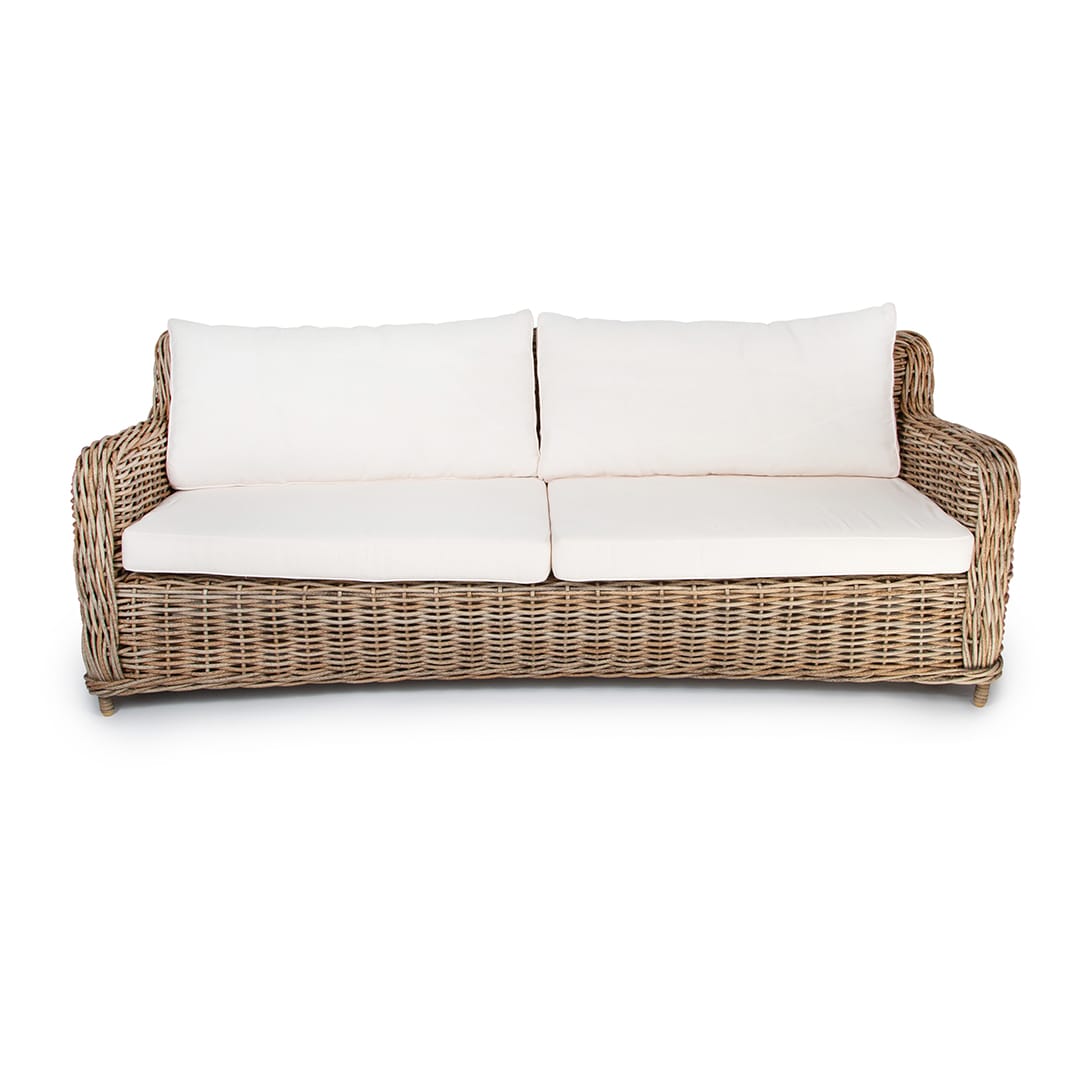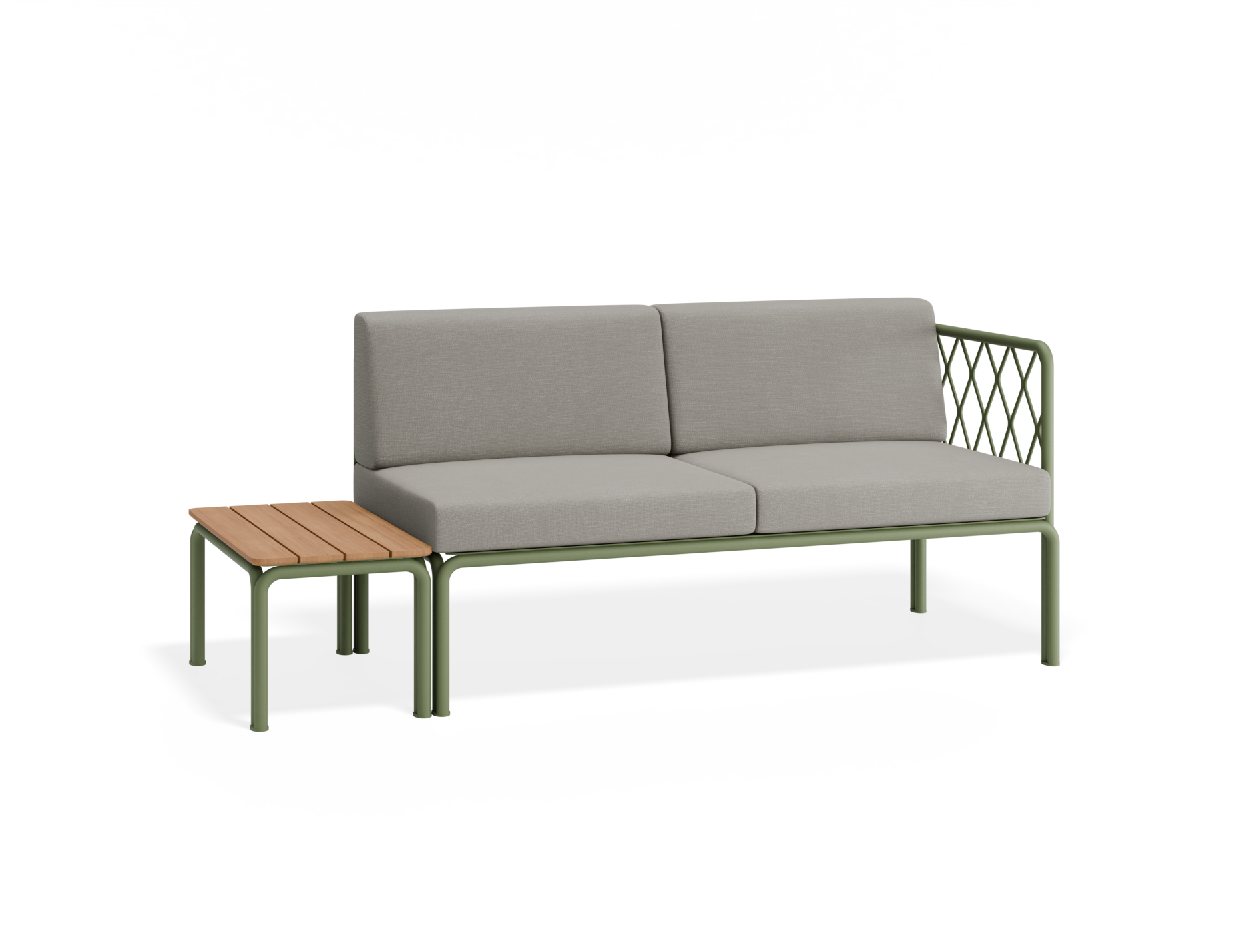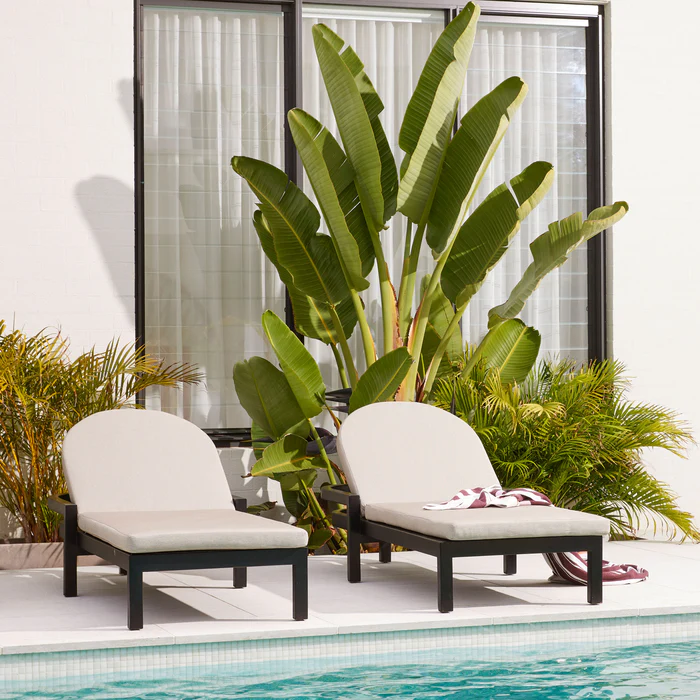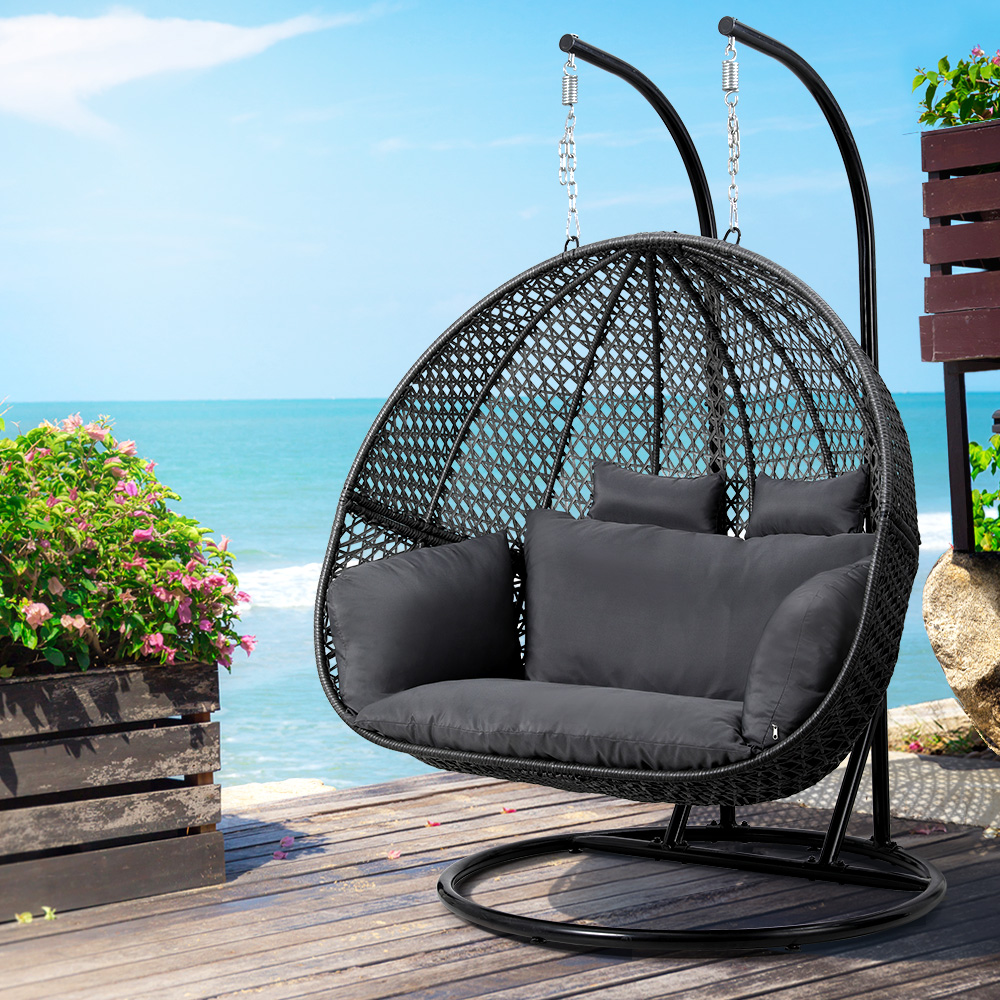


Outdoor furniture in Australia is exposed to some of the harshest environmental conditions globally. High UV levels, sudden rainfall, humidity, and strong winds all contribute to rapid wear and degradation. Without proper protection, even premium outdoor furniture can fade, crack, develop mould, or deteriorate structurally within a short period.
This is why choosing the right outdoor furniture covers is not optional — it is essential.
A well-designed cover does more than keep furniture clean. It protects against UV damage, prevents moisture build-up, reduces maintenance, and significantly extends the lifespan of your investment. However, not all covers perform equally. Differences in material, construction, breathability, and fit can determine whether a cover lasts for years or fails within a season.
This guide is designed to help you make an informed decision. It covers everything from how to choose outdoor furniture covers to understanding material performance, sizing, and key features required for Australian conditions. Whether you are protecting a dining set, lounge, or modular furniture, the goal is to select a cover that delivers long-term reliability, not short-term convenience.

Why You Need Outdoor Furniture Covers in Australia
Outdoor furniture is a significant investment, and in Australia, the environment accelerates wear faster than in most regions. Understanding the specific risks helps explain why high-quality protection is critical.
Protection from UV Exposure
Australia’s UV index is among the highest in the world, and prolonged exposure is one of the primary causes of furniture damage. Timber dries and cracks, fabrics fade, and synthetic materials become brittle over time.
Using UV-resistant outdoor covers made from UV-stabilised outdoor fabrics helps reduce this degradation. These materials are engineered to resist sunlight at a structural level rather than relying on surface coatings that wear off.
Without adequate UV protection, even high-end outdoor furniture can show visible damage within months, making UV resistance one of the most important selection criteria.
Rain and Moisture Protection
Rainwater and humidity introduce a different type of risk. Constant exposure to moisture can lead to swelling in timber, corrosion in metal components, and mould growth on cushions and fabrics.
Waterproof outdoor furniture covers and weatherproof furniture covers are designed to block rain penetration. However, it is important to understand the distinction between water-resistant vs waterproof covers.
- Water-resistant covers repel light rain but may allow penetration over time
- Fully waterproof covers block water completely but can trap internal moisture
This is where breathable outdoor covers become critical. Breathability allows trapped moisture to escape, reducing condensation and lowering the risk of mould. In humid regions, particularly coastal Australia, mould and mildew resistant covers are essential for long-term protection.
Wind, Dust, and Environmental Debris
Wind is often underestimated but can cause significant damage. Poorly fitted covers can lift, flap, and tear under pressure, leading to premature failure.
High-quality windproof outdoor covers use secure cover fastening systems (straps, buckles, drawstrings) to keep the cover in place during strong winds. This not only protects the furniture but also prevents mechanical stress on the cover itself.
In addition, continuous exposure to dust, leaves, and debris can degrade surfaces over time. Effective dust and debris protection reduces cleaning effort and helps maintain the appearance of your furniture.
Durability and Long-Term Cost Savings
Outdoor furniture is not a low-cost purchase. Replacing damaged furniture every few years is significantly more expensive than investing in proper protection.
High-quality covers made from heavy-duty outdoor cover materials and tear-resistant outdoor covers are designed to withstand environmental stress. Features such as reinforced seams and stitching prevent failure at weak points, which is one of the most common issues with low-quality covers.
Fabric thickness also plays a role. Many premium products specify GSM fabric thickness for outdoor covers, which indicates the density and durability of the material. Higher GSM fabrics generally provide better resistance to tearing, UV exposure, and long-term wear.
Preserving Appearance and Structural Integrity
Beyond protection, covers help maintain the visual quality of outdoor furniture. Continuous exposure to sunlight and moisture leads to fading and surface damage.
Using fade-resistant furniture covers and long-lasting outdoor covers ensures that furniture retains its original appearance for longer. This is particularly important for premium outdoor settings where aesthetics are a key factor.

Common Buying Mistakes to Avoid
Many buyers experience poor results due to avoidable mistakes:
- Choosing low-quality materials instead of ripstop fabric covers or durable alternatives
- Ignoring ventilation, leading to moisture build-up and mould
- Selecting incorrect sizes without following a proper cover fit and measurement guide
- Overlooking fastening systems, resulting in covers failing in the wind
These issues often lead to frequent replacements, increasing long-term costs.
Types of Outdoor Furniture Covers
Outdoor furniture covers are not one-size-fits-all solutions. The effectiveness of a cover depends heavily on how well it matches the shape, size, and usage of your furniture. Poorly matched covers often lead to water pooling, wind uplift, and uneven wear, even if the material itself is high quality.
Understanding the different types of covers allows you to select a solution that performs properly in real conditions, not just in theory.
Dining Set Covers
Dining sets are typically the largest and most exposed pieces in an outdoor space. Their wide, flat surfaces make them particularly vulnerable to water pooling and prolonged sun exposure.
Effective dining covers should:
- Use weatherproof furniture covers designed for large surface areas
- Be constructed from heavy-duty polyester covers or canvas outdoor furniture covers for durability
- Allow slight elevation or airflow to prevent water accumulation
A common issue with low-quality covers is sagging across the table surface. Over time, this leads to stretching, stress points, and eventual tearing. Choosing a well-fitted cover with proper structure reduces this risk significantly.
Outdoor Lounge and Sofa Covers
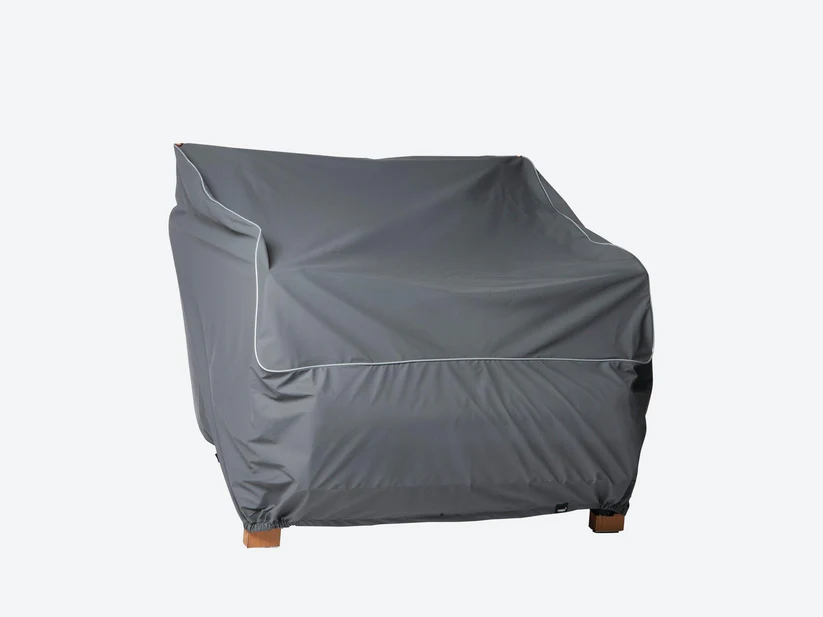
Lounge and modular furniture introduce complexity due to irregular shapes and larger dimensions. Standard covers often fail to provide adequate protection, making custom vs universal furniture covers an important decision.
Key requirements for this category include:
- Flexible sizing to accommodate modular layouts
- Secure fit using integrated fastening systems
- Use of breathable outdoor covers to reduce internal moisture
Because these covers experience more tension across corners and edges, selecting tear-resistant outdoor covers is critical. Materials such as ripstop fabric covers perform better in these conditions by limiting the spread of small tears.
Chair Covers
Chair covers are often used for stacked storage or individual protection. While smaller in size, they still require careful material selection to ensure long-term performance.
Important considerations:
- Vertical fit for stacked chairs to prevent exposure at the base
- Use of vinyl-coated polyester covers or similar materials for balanced protection
- Adequate UV resistance through fade-resistant furniture covers
Chair covers are particularly useful in reducing cleaning effort and protecting cushions or finishes during off-season storage.
BBQ and Grill Covers
BBQ covers are closely related to outdoor furniture covers and are often part of the same buying decision. They are exposed to similar environmental conditions but require additional durability due to heat and residue exposure.
High-performing options typically include:
- Durable outer layers such as PVC-coated oxford fabric covers
- Strong structural design for windproof outdoor covers
- Easy-to-clean surfaces resistant to grease and debris
Including BBQ protection as part of your overall setup ensures consistent durability across your outdoor space.
Custom vs Universal Covers
The choice between custom and universal covers has a direct impact on performance.
- Universal covers are widely available and cost-effective, but may leave gaps or excess material
- Custom covers provide a precise fit, reducing movement, water pooling, and wind exposure
For complex furniture layouts such as modular lounges, custom options generally deliver better long-term results. They also simplify sizing decisions, reducing the risk of errors during purchase.

Best Outdoor Furniture Cover Materials
Material selection is the most important factor influencing how a cover performs over time. While many buyers focus on whether a cover is waterproof, long-term durability depends on a combination of fabric strength, UV resistance, and breathability.
Understanding how different materials behave under Australian conditions allows you to make a more informed decision.
Polyester (Entry to Mid-Range Performance)
Polyester is the most commonly used material due to its affordability and versatility.
Typical variations include:
- Standard polyester with surface coating
- Heavy-duty polyester covers for improved durability
- Ripstop fabric covers designed to prevent tear expansion
Advantages:
- Lightweight and easy to handle
- Cost-effective for general use
- Compatible with coatings for water resistance
Limitations:
- Requires additional treatment for full waterproofing
- Lower UV resistance compared to premium materials
Polyester is suitable for moderate conditions or partially sheltered environments but may degrade faster under constant exposure.
Solution-Dyed Acrylic (High-Performance Material)
Solution-dyed acrylic represents a premium category designed for long-term outdoor use.
Unlike coated fabrics, colour and UV resistance are embedded at the fibre level, making it highly resistant to fading and degradation.
Key benefits:
- Superior UV stability
- Long-lasting colour retention
- High resistance to environmental stress
Covers made from solution-dyed acrylic fabric are particularly effective in regions with intense sun exposure, making them one of the best choices for Australian conditions.
Canvas (Heavy-Duty Durability)
Canvas is known for its thickness and structural strength, making it suitable for heavy-duty applications.
Common uses include canvas outdoor furniture covers designed for long-term protection.
Advantages:
- High durability and resistance to wear
- Suitable for extended outdoor exposure
- Strong resistance to tearing
Limitations:
- Heavier and less flexible than synthetic materials
- Breathability varies depending on treatment
Canvas is often preferred when durability is prioritised over weight and ease of handling.
PVC and Vinyl-Based Materials (Waterproof but Limited Breathability)
PVC and vinyl materials are widely marketed due to their waterproof properties.
Examples:
- Vinyl-coated polyester covers
- Plastic-based fully sealed covers
Advantages:
- Complete water resistance
- Easy maintenance and cleaning
However, these materials are typically non-breathable. This creates a significant issue in humid environments, where trapped moisture leads to condensation and increases the risk of mould.
Understanding the difference between breathable vs non-breathable covers is critical here. Fully sealed covers may appear effective initially but often cause long-term issues if airflow is restricted.
Fabric Construction and Performance Indicators
Beyond material type, construction quality plays a major role in durability.
Key indicators:
- Reinforced seams and stitching to prevent failure under stress
- Multi-layer construction combining waterproofing and airflow
- Higher GSM fabric thickness outdoor covers for improved strength
Premium covers often combine layered fabrics such as PVC-coated oxford fabric covers with ventilation systems to balance protection and breathability.
Material Selection Strategy
There is no single material that performs best in every condition. The ideal choice depends on your environment:
- High UV exposure: prioritise UV-stable materials
- Humid or coastal areas: prioritise breathability
- High wind zones: prioritise strength and structure
Following a structured outdoor furniture cover buying guide ensures that your selection is based on performance rather than assumptions.

Waterproof vs Water-Resistant vs Breathable Covers
This is one of the most misunderstood parts of buying outdoor furniture covers. Many buyers assume that the most waterproof cover is automatically the best option. In practice, that is not always true.
The right choice depends on how the cover handles three separate issues:
- External rain exposure
- Internal moisture build-up
- Long-term ventilation
A cover that blocks all water but traps condensation can still lead to mould, mildew, and surface damage. For Australian conditions, especially in coastal and humid regions, the balance between water protection and airflow is often more important than waterproofing alone.
What Waterproof Actually Means
Waterproof outdoor furniture covers are designed to stop water from penetrating the fabric entirely. This is usually achieved through coated or backed materials such as PVC-coated oxford fabric covers or vinyl-coated polyester covers.
Their key advantage is obvious: they perform well in heavy rain and provide strong protection against direct water exposure.
However, fully waterproof covers often come with a trade-off. If the fabric does not allow air exchange, moisture already present under the cover can become trapped. This trapped moisture may come from:
- Damp cushions or surfaces
- Overnight condensation
- Humidity in the air
- Residual moisture after rainfall
Over time, this creates an enclosed environment where mould can develop even though rainwater never entered from the outside.
This is why a waterproof rating alone should never be treated as the only buying criterion.
What Water-Resistant Means
The term water-resistant vs waterproof covers matters because the two are often confused.
Water-resistant covers repel light rain and moisture but are not designed to withstand prolonged or heavy water exposure in the same way as fully waterproof covers. They usually rely on tightly woven fabric and surface treatment rather than an impermeable barrier.
The benefit of water-resistant covers is that they are often lighter, more flexible, and sometimes more breathable. The downside is that they may allow moisture penetration during sustained rain events.
For some buyers, particularly those with partially covered patios or sheltered alfresco areas, water resistance may be sufficient. For fully exposed furniture, however, a stronger weather barrier is usually required.
Why Breathability Matters More Than Most Buyers Realise
breathable outdoor covers are designed to allow moisture vapour to escape. This reduces condensation and helps maintain a drier micro-environment under the cover.
This is particularly important when furniture is exposed to:
- Coastal humidity
- Overnight dew
- Frequent temperature changes
- Limited sunlight during winter months
The issue is not simply rainfall. It is trapped moisture.
This is where the debate around breathable vs non-breathable covers becomes commercially important. A non-breathable cover may appear to offer superior protection on paper, but in real-world Australian conditions it can create internal moisture problems that shorten the life of both the cover and the furniture beneath it.
For this reason, many of the best-performing covers use a hybrid approach: a water-resistant or waterproof outer layer combined with ventilation panels, air vents, or breathable construction zones.

The Best Option for Most Australian Buyers
In most cases, the best-performing covers are not those that maximise only one feature. They are the ones that balance:
- External weather protection
- Internal airflow
- Structural durability
For many outdoor settings, the ideal solution is a weatherproof furniture cover with enough water protection to handle rain, but enough ventilation to reduce mould risk.
This is particularly relevant if you are looking for mould and mildew resistant covers in humid or coastal areas. A sealed cover without airflow may initially seem protective, but over time it can contribute to the exact issue the buyer is trying to avoid.
When Each Option Makes Sense
Waterproof Covers
Best suited for:
- Fully exposed outdoor settings
- Areas with frequent heavy rain
- Buyers who need maximum rain protection
Potential limitation:
- Increased condensation risk if ventilation is poor
Water-Resistant Covers
Best suited for:
- Partially sheltered spaces
- Light to moderate weather exposure
- Buyers prioritising flexibility and ease of handling
Potential limitation:
- Less reliable in sustained rainfall
Breathable Covers
Best suited for:
- Humid environments
- Coastal regions
- Furniture that remains covered for long periods
Potential limitation:
- Must still provide enough rain protection to be effective

Common Mistakes Buyers Make
One of the most common mistakes is buying a fully sealed cover for a humid environment and assuming that “more waterproof” means “better protected”.
In reality, this often leads to:
- trapped condensation
- mildew odours
- moisture marks on furniture
- reduced product lifespan
A more informed approach is to assess how the cover performs as a system, not just how it performs against rain.
How to Choose the Right Size and Fit
Selecting the correct size is one of the most overlooked aspects when buying outdoor furniture covers, yet it has a direct impact on performance, durability, and overall protection.
Even the highest-quality materials will fail if the cover does not fit properly. Issues such as water pooling, wind uplift, fabric stress, and premature tearing are often caused by incorrect sizing rather than poor material choice.
Why Proper Fit Matters
A well-fitted cover improves:
- Water runoff efficiency
- Wind resistance and stability
- Structural durability over time
- Overall protection coverage
An oversized cover tends to sag, creating low points where water collects. This adds weight, stretches the fabric, and eventually leads to failure. On the other hand, a cover that is too tight places excessive tension on seams and corners, increasing the risk of tearing.
The goal is a balanced fit — close enough to remain stable, but not so tight that it creates stress points.
How to Measure Outdoor Furniture Correctly
Before purchasing, always measure your furniture rather than relying on assumptions.
Key measurements include:
- Length (longest side)
- Width (deepest point)
- Height (from ground to highest point)
For irregular shapes such as L-shaped lounges, measure each section separately and compare against available cover dimensions.
Using a proper cover fit and measurement guide ensures that the cover provides full coverage without excessive looseness or strain.
Allowing for Clearance
It is generally recommended to allow a small margin when selecting size.
- Add a few centimetres to length and width to ensure coverage
- Avoid excessive extra space that leads to sagging
- Ensure the cover reaches low enough to protect legs and lower frames
This balance helps maintain airflow while still providing effective protection.

Shape Considerations
Different furniture types require different approaches to sizing.
Rectangular and Square Sets
These are the easiest to cover, but still require accurate measurements to prevent water pooling.
Round Tables
Round covers should match diameter closely, as excess fabric can create uneven distribution.
L-Shaped and Modular Lounges
These often require careful selection or custom sizing. This is where custom vs universal furniture covers becomes important. Universal covers may not align with corners properly, leading to exposed areas or excess fabric.
Stacked Chairs
Vertical measurement becomes more important than footprint. The cover must fully enclose the stack without leaving the base exposed.
The Role of Fit in Wind Resistance
Fit directly affects how well a cover performs in windy conditions.
Loose covers are more likely to lift, flap, and place stress on seams. This increases the likelihood of damage, even if the fabric itself is strong.
A properly fitted cover works in combination with cover fastening systems (straps, buckles, drawstrings) to maintain stability. This is essential for windproof outdoor covers, particularly in exposed backyards or elevated areas.

Common Sizing Mistakes
Many problems with outdoor furniture covers are not caused by poor quality — they come from choosing the wrong size.
This is one of the biggest reasons covers fail early, even when buyers choose good materials.
Below are the most common mistakes and how to avoid them.
Choosing a Cover That Is Too Large
A lot of buyers think:
“Bigger is safer — it will cover everything.”
In reality, oversized covers create more problems than they solve.
When a cover is too large:
- It sags in the middle
- Rainwater collects and forms puddles
- The weight of water stretches the fabric
- Over time, this leads to tearing and damage
Loose covers also move more in the wind, even if you have cover fastening systems (straps, buckles, drawstrings).
Simple rule:
A cover should not hang loosely like a sheet — it should sit neatly over the furniture.
Choosing a Cover That Is Too Tight
The opposite mistake is choosing a cover that is too small or too tight.
This creates tension on:
- Corners
- Seams
- Edges
Over time, this leads to:
- Seam splitting
- Reduced durability
- Faster wear, especially in tear-resistant outdoor covers
Even strong materials like heavy-duty polyester covers can fail if constantly stretched.
Simple rule:
The cover should fit comfortably, not stretch like fabric under pressure.
Not Measuring Furniture Properly
This is the most common mistake.
Many buyers:
- estimate size
- rely on product descriptions
- assume standard sizes will fit
But outdoor furniture varies a lot in shape and size.
Without proper measurement:
- Parts of the furniture remain exposed
- The cover doesn’t sit correctly
- performance is reduced
Using a proper cover fit and measurement guide ensures:
- full coverage
- better protection
- longer lifespan
Always measure:
- length
- width
- height
Never guess.
Ignoring Height (Very Common Issue)
Most people focus only on length and width, but forget height.
This leads to:
- covers that don’t reach the bottom
- legs and frames left exposed
- water splashing inside
This is especially important for:
- stacked chairs
- high-back seating
- dining sets
A good cover should go low enough to protect the entire structure.
Not Considering Furniture Shape
Not all furniture is simple.
Common problems happen with:
- L-shaped lounges
- modular seating
- curved or round tables
Using standard covers for complex shapes often leads to:
- exposed corners
- excess fabric in some areas
- poor fit overall
This is where custom vs universal furniture covers becomes important.
For simple shapes → universal works
For complex shapes → consider better fitting options
Ignoring Wind Impact
Sizing also affects how a cover behaves in wind.
A loose cover:
- catches air
- lifts easily
- creates pressure on seams
Even with windproof outdoor covers, poor sizing reduces performance.
A properly sized cover + secure fastening = best result

Best Outdoor Furniture Covers in Australia (2026 Picks)
Choosing the right outdoor furniture covers becomes much easier when you compare real options. Below are some of the best-performing covers from our range, selected based on size, usability, and suitability for different outdoor setups.
Each option is suited for a specific use case, so you can quickly identify what works best for your furniture and environment.
1. Waterproof Outdoor Table & Chair Cover – 220 × 220 × 85 cm
Best for: Standard outdoor dining sets
This cover is ideal for protecting square or slightly rectangular dining setups. It offers a practical balance between size, durability, and ease of use.
Key Features:
- Size: 220 × 220 × 85 cm
- Made from durable, environmentally friendly polyester
- Dustproof and waterproof design
- Lightweight and easy to fold for storage
Why this is a good choice:
This is a solid everyday option for those looking for reliable waterproof outdoor furniture covers without going too heavy. It protects well against rain and dust while remaining easy to handle.
2. Waterproof Outdoor Corner Sofa Cover – 200 × 270 × 82 cm (Black)
Best for: L-shaped outdoor lounges
Designed specifically for corner lounges, this cover fits larger modular setups more effectively than standard rectangular covers.
Key Features:
- Size: 200 × 270 × 82 cm
- Durable polyester construction
- Dustproof and waterproof for added protection
Why this is a good choice:
Lounge furniture is expensive and harder to replace. This cover helps protect against moisture and dirt while maintaining a practical fit for corner configurations. A good option when considering custom vs universal furniture covers.
3. Waterproof Dustproof Protection Cover – 231 × 231 × 90 cm (Silver)
Best for: Multi-purpose large furniture protection
This is a versatile cover that works for larger setups including table and chair combinations or other outdoor items.
Key Features:
- Size: 231 × 231 × 90 cm
- Made from environmentally friendly materials
- Dustproof, waterproof, and anti-ultraviolet
- Durable and easy to store
Why this is a good choice:
The added UV protection makes this a strong option where UV-resistant outdoor covers are important. It’s suitable for buyers looking for broader protection across multiple furniture types.
4. Waterproof BBQ Cover with Sundry Bag – 178 × 61 × 122 cm (Beige)
Best for: BBQ and grill protection
This cover is designed specifically for BBQ units, combining durability with useful features for everyday use.
Key Features:
- Size: 178 × 61 × 122 cm
- Made from 210D+PU coating Oxford cloth
- Ventilation holes for airflow
- Storage pocket for accessories
- Handles for easy handling
Why this is a good choice:
This is a strong example of PVC-coated oxford fabric covers designed with airflow in mind. The ventilation helps reduce moisture build-up, making it a better alternative to fully sealed covers.
5. Waterproof 210D Oxford Cloth Outdoor Furniture Cover – 213 × 132 × 74 cm (Black)
Best for: Medium-sized outdoor furniture sets
This cover is a practical option for smaller dining sets or compact outdoor furniture.
Key Features:
- Size: 213 × 132 × 74 cm
- Made from 210D Oxford cloth material
- Waterproof and dust-proof
- Adjustable cord for wind resistance
Why this is a good choice:
The adjustable cord improves stability, making it suitable as a windproof outdoor cover. It’s a good mid-range option that balances protection and usability.
6. Rainproof Round Table Cover – 102 × 45 cm
Best for: Small round tables and compact setups
This cover is designed for smaller furniture, including garden tables and balcony setups.
Key Features:
- Size: 102 × 45 cm
- Made from durable 210D Oxford cloth
- Dustproof and waterproof
- Lightweight and easy to store
Why this is a good choice:
Ideal for smaller spaces where large covers are unnecessary. It provides basic protection while remaining easy to use and store.
7. Outdoor Corner Sofa Cover – 210 × 270 × 85 cm (Black)
Best for: Large modular lounge setups
This is another strong option for larger L-shaped furniture, offering slightly different sizing for better fit.
Key Features:
- Size: 210 × 270 × 85 cm
- Durable polyester construction
- Dustproof and waterproof protection
- Lightweight and easy to carry
Why this is a good choice:
This option gives more flexibility when selecting covers for modular lounges. Proper sizing is important here, especially when following a cover fit and measurement guide.

How to Choose the Right Option from Our Range
When you browse different outdoor furniture covers, it can feel confusing because many options look similar.
The easiest way to choose is to match the cover to your environment and usage.
Step 1: Look at Your Environment
Start by understanding your outdoor conditions.
If you have strong sun exposure:
Choose UV-resistant outdoor covers made with UV-stabilised outdoor fabrics
This prevents fading and cracking
If you live in a humid or coastal area:
Choose:
- breathable outdoor covers
- mould and mildew resistant covers
This prevents trapped moisture and mould build-up
If your area is windy:
Choose:
- snug-fitting covers
- strong cover fastening systems (straps, buckles, drawstrings)
- stable windproof outdoor covers
👉 This keeps the cover secure and prevents damage
Step 2: Match the Cover to Your Furniture Type
Different furniture needs different protection.
- Dining sets → need structure and strength
- Lounges → need better fit and airflow
- Chairs → need simple protection
- BBQs → need durable outer layers
Always choose based on use, not just appearance.
Step 3: Decide How Long You Want It to Last
This is where most people make mistakes.
If you want:
- short-term use → lighter materials are fine
- long-term use → choose long-lasting outdoor covers with stronger build
Higher quality covers may cost more upfront but save money over time.
Step 4: Check Material and Build Quality
Focus on:
- heavy-duty outdoor cover materials
- strong seams
- proper thickness (GSM fabric thickness outdoor covers)
Avoid very thin materials — they fail quickly.
Step 5: Make Sure the Fit Is Correct
Always follow a cover fit and measurement guide.
Remember:
- not too loose
- not too tight
- full coverage
Fit affects performance more than most people realise.

Common Mistakes to Avoid When Buying Outdoor Furniture Covers
Even with a good understanding of materials and sizing, many buyers still make mistakes that reduce the effectiveness of outdoor furniture covers. Avoiding these can significantly improve performance and lifespan.
Choosing Price Over Performance
One of the most common mistakes is selecting the cheapest option available.
Low-cost covers often use thin materials with low durability. They may look fine initially but tend to fail quickly under UV exposure, rain, and wind.
Instead of focusing only on price, consider:
- durability
- material quality
- long-term use
Investing in long-lasting outdoor covers made from heavy-duty outdoor cover materials usually provides better value over time.
Ignoring Breathability
Many buyers assume fully waterproof covers are always better.
However, non-ventilated covers can trap moisture, leading to condensation and mould. This is especially problematic in humid environments.
Choosing breathable outdoor covers or well-designed weatherproof furniture covers helps prevent internal moisture build-up and improves overall protection.
Overlooking UV Protection
Some covers provide water protection but fail under constant sun exposure.
Without proper UV resistance:
- fabrics fade
- materials weaken
- covers crack and degrade
Selecting UV-resistant outdoor covers made from UV-stabilised outdoor fabrics ensures better performance in Australian conditions.
Not Checking Fastening Systems
A cover that cannot stay in place will not protect effectively.
Ignoring cover fastening systems (straps, buckles, drawstrings) often leads to:
- covers blowing away
- increased wear from movement
- reduced lifespan
This is particularly important when selecting windproof outdoor covers for exposed areas.
Choosing the Wrong Material
Different materials perform differently under various conditions.
For example:
- fully sealed vinyl-coated polyester covers may trap moisture
- lightweight fabrics may not withstand wind or UV
Understanding material differences, including breathable vs non-breathable covers, helps avoid these issues.
Skipping Proper Measurement
Incorrect sizing remains one of the biggest mistakes.
Failing to follow a proper cover fit and measurement guide can result in:
- poor fit
- reduced protection
- faster wear
Always measure your furniture rather than relying on estimates.

How to Maintain Outdoor Furniture Covers
Even the best outdoor furniture covers require basic maintenance to ensure long-term performance. Proper care can significantly extend the lifespan of your cover and maintain its protective qualities.
Regular Cleaning
Dust, dirt, and debris accumulate over time and can affect fabric performance.
To maintain your cover:
- clean it periodically with mild soap and water
- avoid harsh chemicals that can damage coatings
- allow it to dry completely before reuse
Regular cleaning helps maintain weatherproof furniture covers and prevents build-up that can weaken the material.
Preventing Moisture Build-Up
Moisture is one of the main causes of damage, even when using waterproof outdoor furniture covers.
To reduce risk:
- ensure proper ventilation
- occasionally remove the cover to allow airflow
- avoid covering damp furniture
Using mould and mildew resistant covers and ensuring airflow helps prevent long-term issues.
Proper Storage
When not in use, storing covers correctly helps maintain their condition.
- fold and store in a dry, shaded area
- avoid prolonged exposure when not needed
- keep away from sharp objects
This is especially important for canvas outdoor furniture covers and other heavy materials that can degrade if stored incorrectly.
Checking for Wear and Damage
Regular inspection allows you to catch small issues early.
Look for:
- seam stress
- small tears
- weakened fastening systems
Even tear-resistant outdoor covers benefit from early maintenance to prevent larger failures.

Final Verdict — What You Should Actually Buy
Choosing the best outdoor furniture covers comes down to matching the product with your environment and expectations.
If You Want a Balanced Option
Choose:
- weatherproof furniture covers
- combination of waterproofing and breathability
- durable construction
This suits most Australian households.
If You Have Harsh Conditions
Choose:
- heavy-duty outdoor cover materials
- high GSM fabric thickness outdoor covers
- strong UV protection
This ensures long-term durability.
If You Are in a Humid Area
Choose:
- breathable outdoor covers
- mould and mildew resistant covers
This prevents internal moisture issues.
If You Are Budget-Conscious
Choose:
- Basic waterproof outdoor furniture covers or water-resistant options
- ensure proper fit and usage
These work well in low-exposure environments.
Final Thought
Outdoor furniture covers are not just protective accessories — they are a practical way to extend the life of your furniture and reduce long-term costs. By focusing on correct sizing, durable materials, and the right features, you can ensure consistent protection in real Australian conditions. At Outdoor Furniture Co., the focus is on covers designed for performance, reliability, and everyday usability. Choosing a well-built solution from Outdoor Furniture Co. means you’re investing in long-term protection, not short-term fixes.
Outdoor Furniture Cover FAQs
Are expensive outdoor furniture covers worth it?
In most cases, yes.
Higher-quality covers use better materials, stronger construction, and improved design features. This results in longer lifespan and better protection, making them more cost-effective over time.
How long should an outdoor furniture cover last?
It depends on material and conditions.
entry-level covers: 6–12 months
mid-range covers: 1–3 years
premium covers: 3+ years
Using long-lasting outdoor covers and maintaining them properly extends lifespan.
Can outdoor furniture covers cause mould?
Yes, if they trap moisture.
This is why choosing breathable outdoor covers or mould and mildew resistant covers is important, especially in humid environments.
Do I need breathable covers in Australia?
In most cases, yes.
Due to humidity and temperature changes, breathable vs non-breathable covers becomes an important factor. Breathable designs help prevent condensation and mould.
What is the best material for outdoor furniture covers?
There is no single best material.
The ideal choice depends on:
climate
exposure level
durability requirements
Options such as solution-dyed acrylic fabric, canvas outdoor furniture covers, and heavy-duty polyester covers each serve different purposes.