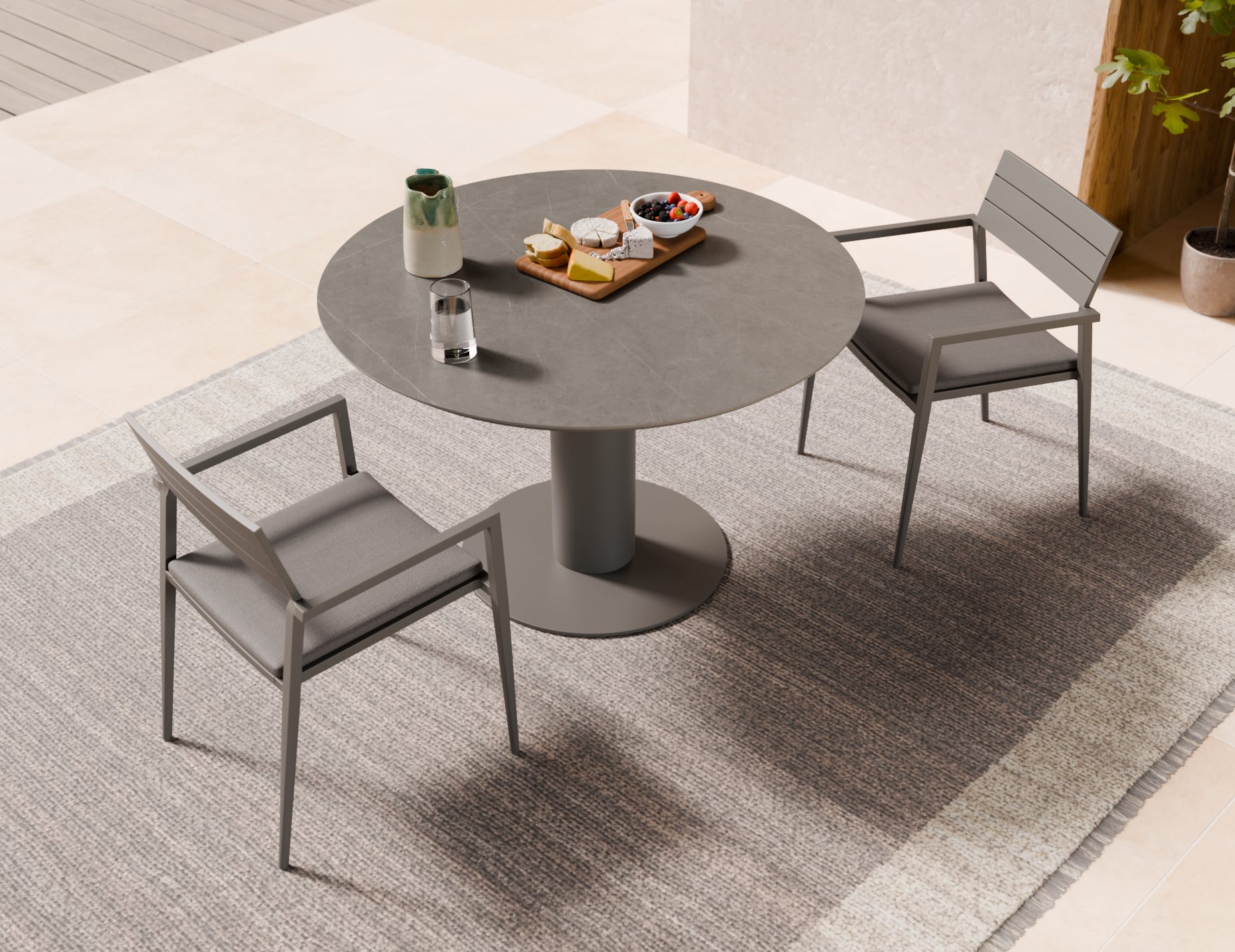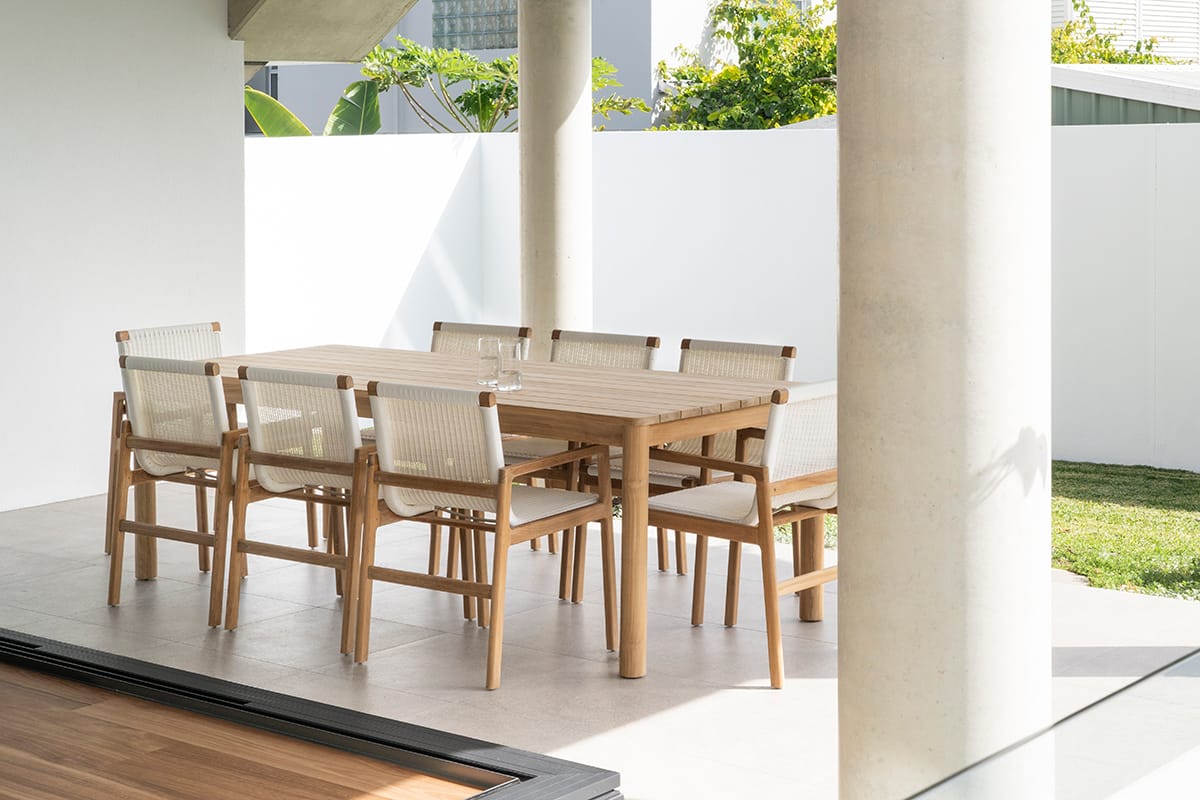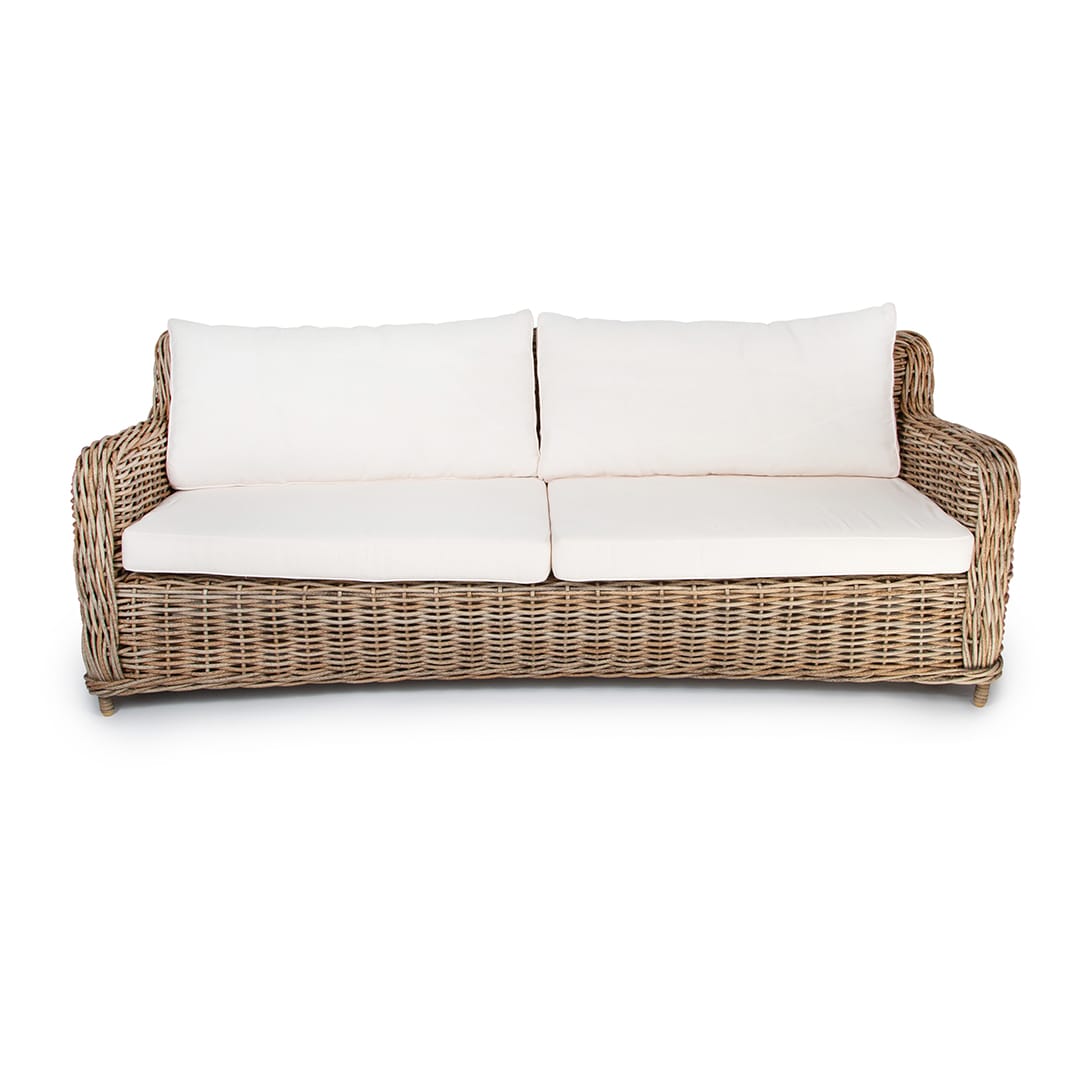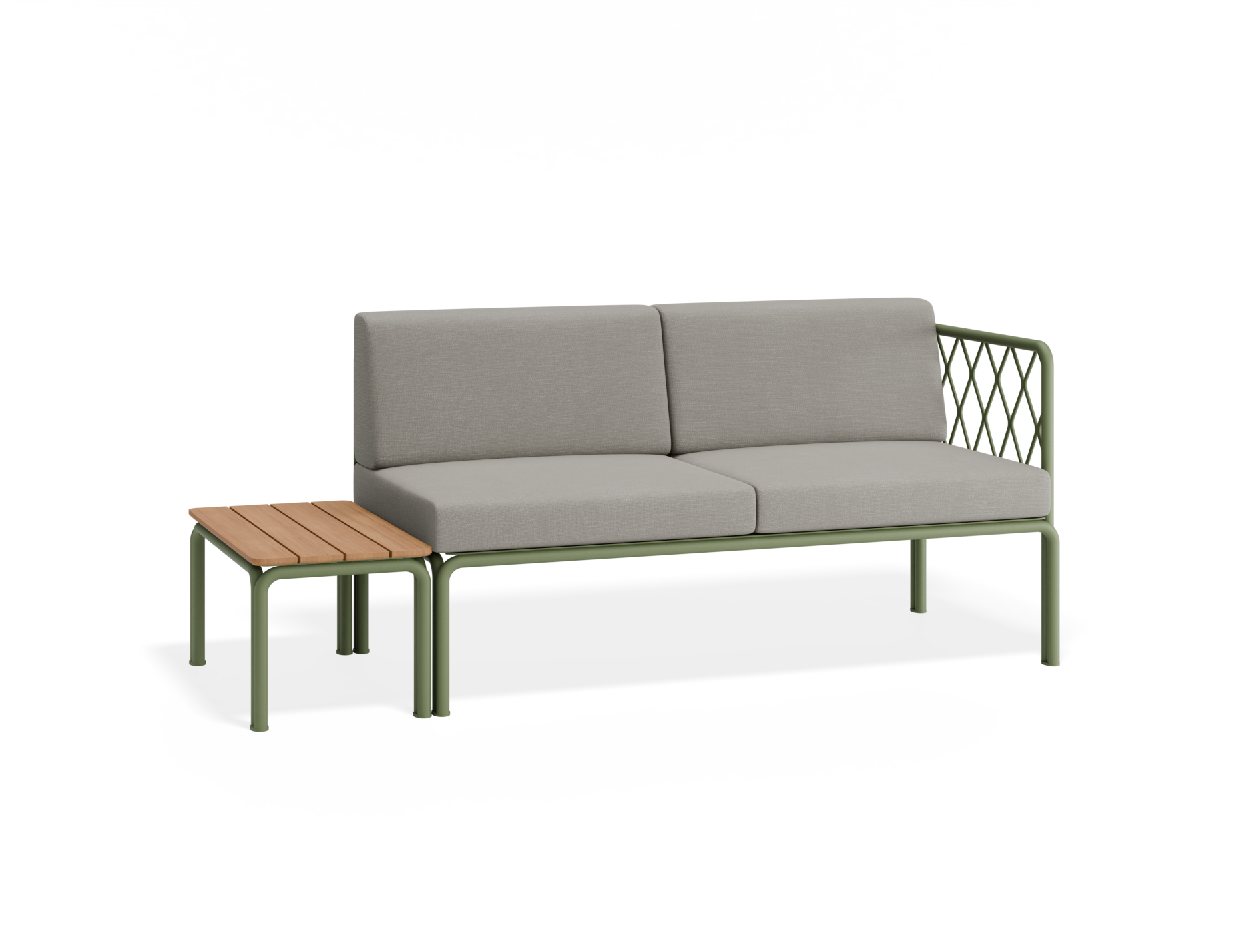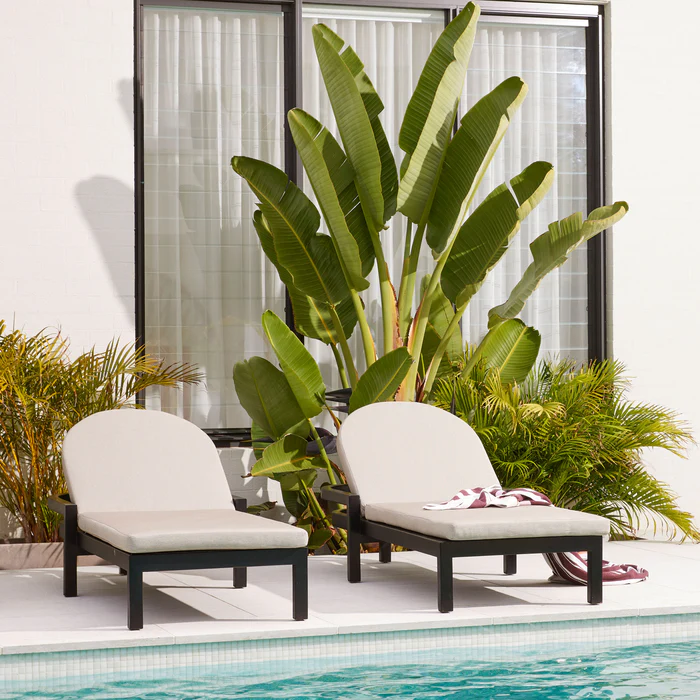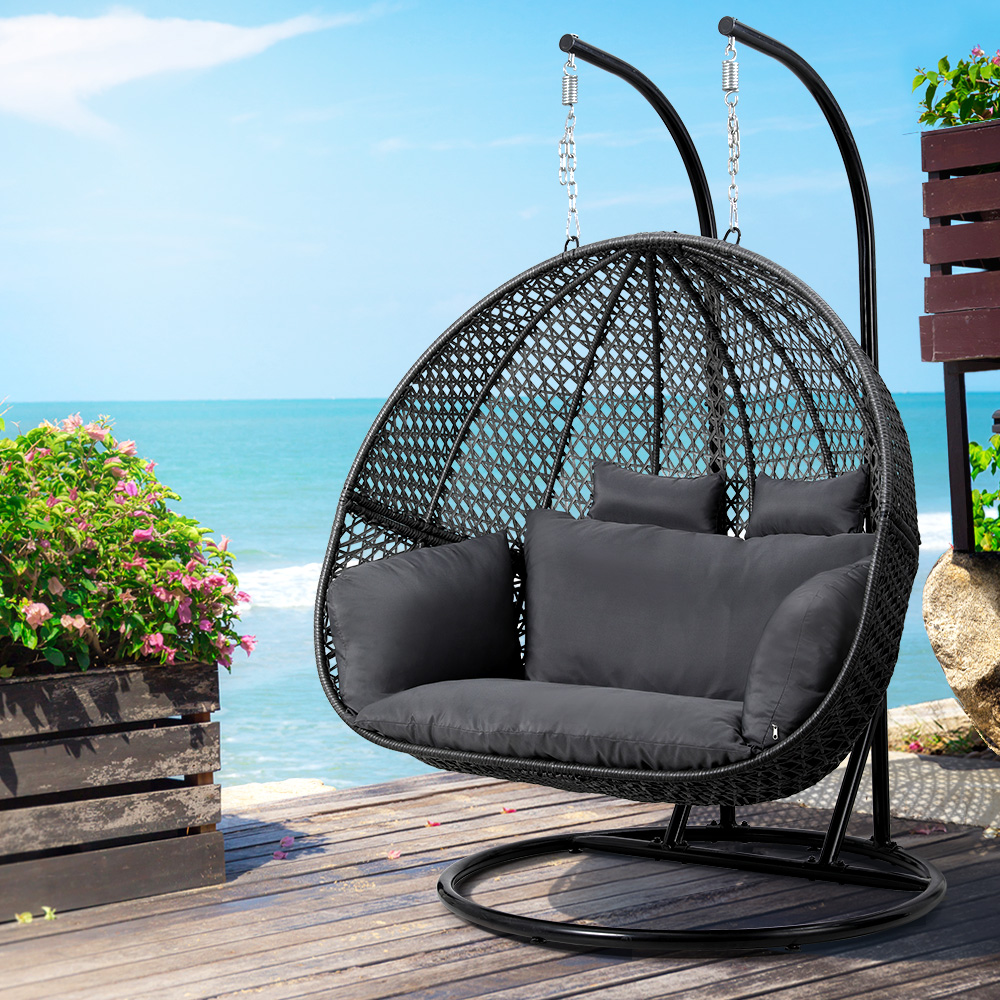


Outdoor furniture is made to stay outside, but that does not mean it can handle every kind of weather without care. A good outdoor lounge, dining set, timber table, wicker chair or daybed can still fade, stain, crack, rust or collect mould when it is left uncovered for a long time.
This is why many buyers ask the same question before buying: Do outdoor furniture covers really work?
The simple answer is yes, outdoor furniture covers do work. But they only work well when the cover is made from the right material, fits the furniture properly and allows enough airflow underneath. A cheap plastic cover can block rain for a short time, but it may also trap heat and moisture. A better cover should protect from sun, rain, dust and dirt while still helping the furniture breathe.
So, before buying a cover, it is important to understand what it can protect, what it cannot protect, and what type of cover is suitable for your outdoor space.

Why Outdoor Furniture Needs Extra Protection
Outdoor furniture has to face more than just rain. In many homes, furniture sits outside through strong sunlight, sudden rain, dust, wind, bird droppings, leaves, tree sap and humid days. Even when the furniture looks dry, the surface may still be affected by UV exposure and moisture in the air.
Cancer Council explains that Australia has some of the highest UV radiation levels in the world. This matters for people, but it also matters for outdoor products because sunlight can slowly weaken colour, fabric, plastic, coating and surface finishes.
UV is also not only a hot-weather problem. SunSmart explains that UV can still be harmful on cool or cloudy days when the UV level is 3 or above. This is one reason why outdoor furniture can fade even when the day does not feel extremely hot.
Rain is another problem. A short shower may not damage outdoor furniture immediately, but repeated moisture can affect cushions, timber, metal frames and woven materials. If water sits on the surface or gets trapped inside cushions, it can create a damp environment.
That is why a cover is not only about keeping furniture clean. It is about reducing the everyday stress that outdoor furniture faces.

What Outdoor Furniture Covers Actually Do
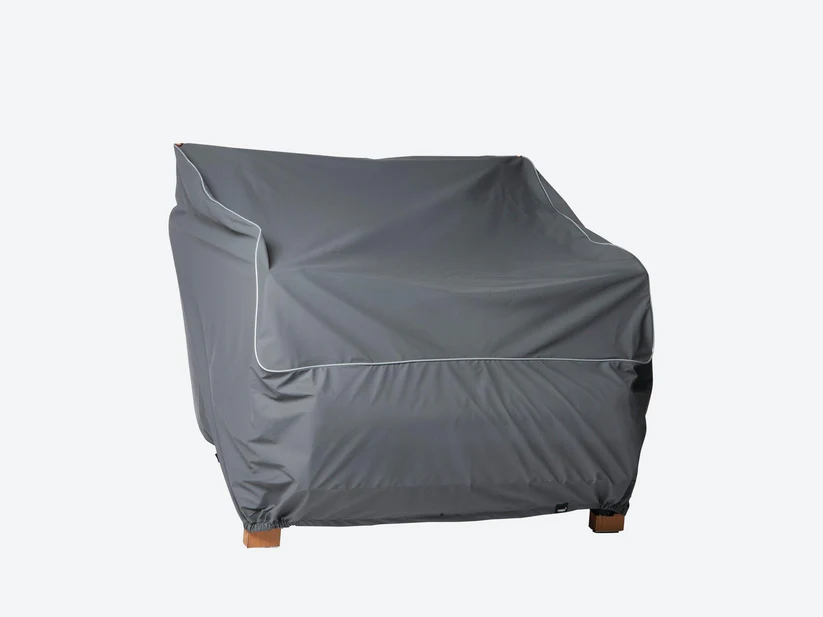
An outdoor furniture cover creates a barrier between the furniture and the weather. It helps stop direct exposure from sun, rain and everyday outdoor dirt.
A good cover can help protect against:
- UV fading on cushions and fabric
- rain sitting directly on furniture
- dust and dry leaves
- bird droppings
- tree sap
- pollen
- surface stains
- light scratches from outdoor debris
- extra cleaning before use
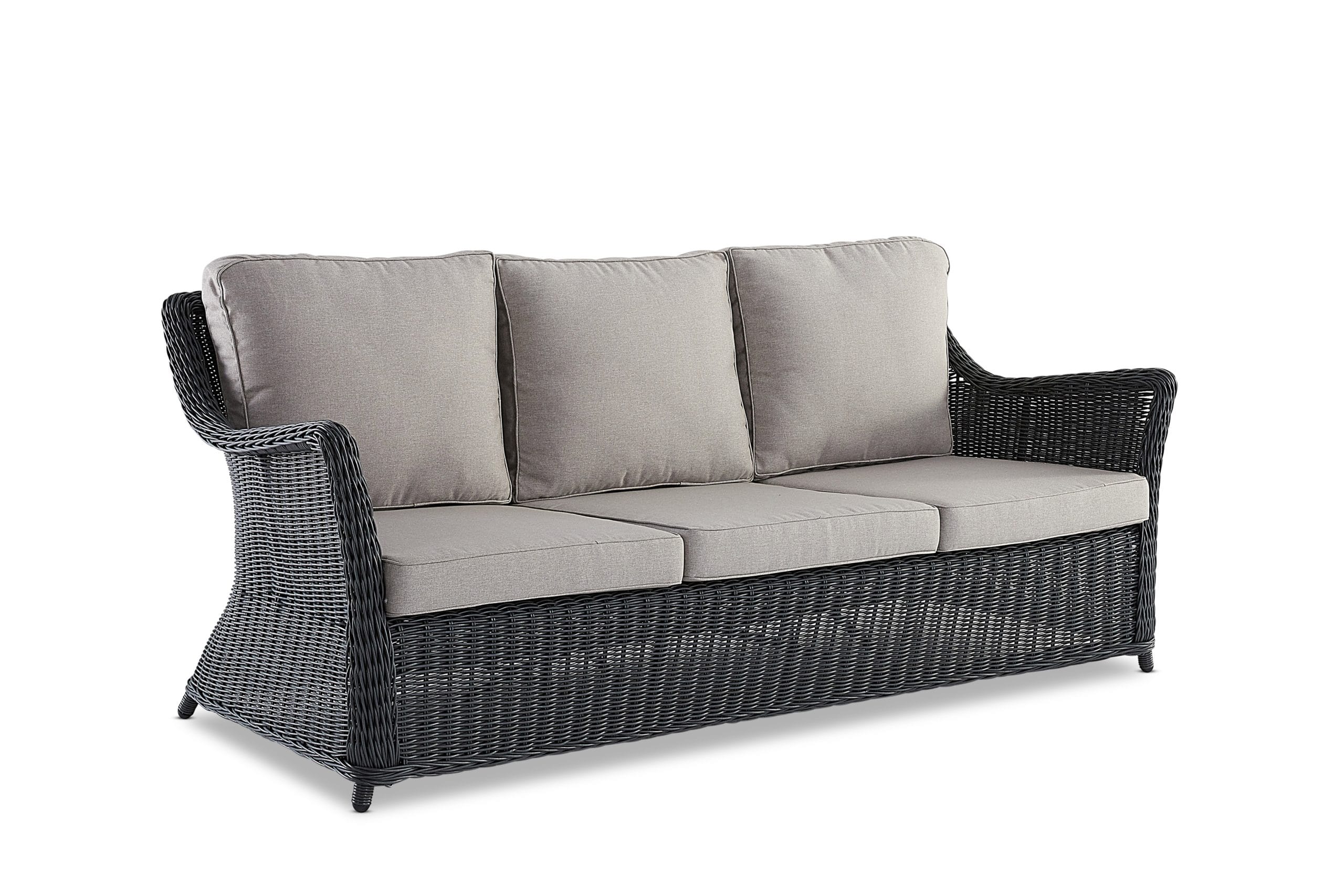
This is especially useful for outdoor lounges and dining sets because these pieces usually have bigger surfaces. A table can collect water. A sofa can collect dust between cushions. A wicker chair can trap leaves and small dirt inside the weave. A cover helps reduce all of that.
But it is also important to be honest. A cover does not make outdoor furniture completely maintenance-free. You still need to clean the furniture, dry it when needed and store cushions properly during long wet periods.
Think of an outdoor furniture cover like sunscreen for your setting. It gives protection, but it does not mean the furniture can be ignored forever.
The Main Mistake: Thinking Waterproof Is Always Best
Many buyers look for one word only: waterproof.
Waterproof sounds like the best option because nobody wants rain to reach their furniture. But with outdoor covers, waterproof is not the full story. A cover that blocks water completely can also trap moisture underneath if it has no ventilation.
This is where many people get disappointed. They buy a cover, use it for a few weeks, then remove it and find damp cushions, a strange smell, mildew marks or water spots. The problem is not always rain leaking through the cover. Sometimes the problem is moisture trapped under the cover.
Moisture can come from many places. It can come from wet cushions, damp timber, morning dew, humid air or rainwater that splashes up from the ground. If the cover is sealed too tightly and has no airflow, that moisture has nowhere to go.
So, the best outdoor furniture cover is not just waterproof. It should be water-resistant or waterproof enough to handle rain, but also breathable enough to reduce trapped moisture.
That is why air vents, correct fit and good material matter.

Waterproof, Water-Resistant and Breathable: What Is the Difference?
These three words are often used in product descriptions, but they do not mean the same thing.
A waterproof cover is designed to stop water from passing through the material. This is useful during rain, especially for dining tables, outdoor lounges and daybeds. However, if the cover is too sealed, it may trap condensation underneath.
A water-resistant cover can handle light rain, splashes and short exposure, but it may not be suitable for heavy rain over a long period. These covers are often easier to handle and may allow slightly better airflow, depending on the material.
A breathable cover allows some air movement. This does not mean it lets rain through. It means the cover is designed in a way that helps moisture escape instead of staying trapped inside.
For most buyers, the best choice is a cover that balances all three things: water protection, UV resistance and airflow.
If the furniture is in a covered patio, a breathable water-resistant cover may be enough. If the furniture is fully exposed in an open backyard, a heavier cover with water protection, UV resistance and vents is usually better.
Why Mould Can Appear Under Furniture Covers
One of the biggest problems buyers worry about is mould. This is a real concern, especially when cushions or timber furniture are covered while still damp.
Mould grows best in damp and poorly ventilated areas. Public health guidance also explains that moisture and poor ventilation can create the right conditions for mould to grow. The same idea applies outside when a wet cushion is trapped under a tight cover for too long.
This does not mean outdoor furniture covers cause mould by themselves. Usually, mould appears because moisture was already present and the cover stopped it from drying.
Common reasons mould appears under covers include:
- Covering furniture while the cushions are still wet
- leaving damp cushions outside for many days
- using a cover with no air vents
- allowing the cover to touch the ground with no airflow
- water pooling on top of the cover
- placing furniture in a shaded area that does not dry quickly
- using a cheap plastic cover that traps heat and moisture
The solution is simple. Let the furniture dry before covering it. Use a cover with ventilation. Do not leave wet cushions trapped for long periods. During long wet weather, store cushions separately if possible.
This is one of the most important things buyers should know before buying outdoor furniture covers.

Do Covers Protect Outdoor Cushions?
Outdoor cushions are made for outdoor use, but they are not magic. They can still absorb moisture, collect dirt and develop a musty smell if they stay wet for too long.
A cover can protect cushions from dust, bird droppings and light rain. It can also reduce sun fading. But if the cushions are already wet, covering them tightly can make the problem worse.
For daily use, it is usually fine to keep cushions under a good furniture cover. But for heavy rain, storms or long storage, cushions are better kept in a dry storage box, shed, garage or indoor area.
This is especially true for thick cushions used on outdoor lounges and daybeds. These cushions take longer to dry because moisture can sit inside the filling. Even if the outside fabric feels dry, the inside may still hold dampness.
So, if the cover is being used for a short time, cushions can usually stay in place. If the weather is wet for several days, storing cushions separately is the safer option.
What Material Should You Look For?
The material of the cover makes a big difference. A cover may look strong online, but the real quality depends on fabric thickness, coating, seams, UV treatment and how well it is stitched.
Polyester Covers
Polyester is one of the most common materials for outdoor furniture covers. It is lighter than heavy canvas and usually easier to remove, fold and store. Many thicker covers use 600D polyester because it gives a more durable feel than very thin fabric.
But do not look at thickness only. A good polyester cover should also have a protective coating, reinforced seams and proper fastening. Without these, the cover may still tear, leak at the seams or blow away in strong wind.
PVC-Coated Covers
PVC-coated covers are often good at blocking rain. They can feel strong and heavy, which many buyers like. But the downside is that PVC-style covers can sometimes be less breathable.
If you choose this type of cover, make sure it has vents or some way for air to move. Otherwise, it may keep rain out but trap moisture underneath.
Canvas and Heavy-Duty Fabric Covers
Canvas-style covers often feel more premium and stronger. They can be a good option for larger outdoor lounges, dining sets and furniture that stays outside full time.
However, even heavy fabric needs the right treatment. It should still resist water, handle UV exposure and dry properly. A heavy cover with poor airflow can still hold moisture.
Cheap Plastic Covers
Cheap thin plastic covers can be useful for short-term protection, but they are not always the best long-term choice. Under strong sun, cheaper plastic can become brittle, crack or tear. CSIRO notes that UV radiation is a major factor in the weathering and durability of plastics.
This is why a cover that looks fine in the first week may not perform well after months of outdoor use.

Fit Is Just as Important as Material
A good cover can still fail if the size is wrong.
If the cover is too small, it will pull tightly over corners and seams. This can cause tearing, especially when you remove it often. It may also leave some parts of the furniture exposed.
If the cover is too large, it can flap in the wind. This may rub against furniture, loosen the cover, let dust inside or even cause the cover to blow away. A loose cover can also collect rainwater in sagging areas.
The cover should sit neatly over the furniture without being stretched too tight. It should also leave some space for airflow near the bottom.
For an outdoor dining set, measure the table and chairs together if you want one large cover. Push the chairs in first, then measure the full length, width and height. For an outdoor lounge, measure the full shape, including chaise sections, arms and back height.
If your furniture is modular, one large cover may not always be the best choice. Sometimes separate covers for different pieces give a better fit.
Features That Make a Cover Work Better
When choosing outdoor furniture covers, small features can make a big difference.
Air vents are useful because they help reduce trapped moisture. They also reduce the balloon effect when wind gets under the cover.
Tie-down straps or buckle clips help keep the cover in place during windy weather. Without straps, even a heavy cover can lift or shift.
An elastic hem can help the cover sit closer to the furniture, but it should not be so tight that air cannot move.
Reinforced seams are important because seams are often the first place a cover fails. Pulling, wind movement and water pressure can all put stress on the stitching.
Handles are useful because they make the cover easier to remove. This may sound simple, but a large wet cover can be heavy and awkward.
A raised centre or support pole can also help if the cover sits flat across a dining table. When the middle is slightly raised, rainwater can run off instead of pooling in one spot.
These details are not just extra features. They are the difference between a cover that works properly and a cover that becomes frustrating to use.

When Outdoor Furniture Covers Can Cause Problems
Outdoor furniture covers are useful, but they can cause problems when used the wrong way.
A cover can cause trouble if it traps moisture, rubs in the wind, collects water or stays on the furniture for too long without checking underneath.
For timber furniture, trapped moisture can affect the surface finish. For metal furniture, moisture can increase the chance of rust, especially around screws, joints or scratches. For wicker-style furniture, dirt and moisture can sit inside the weave. For cushions, dampness can lead to mould or a musty smell.
This is why buyers should not only ask, “Is this cover waterproof?” They should also ask:
Does it fit my furniture properly?
Does it have vents?
Can I secure it in wind?
Will water run off the top?
Can I remove it easily?
Will I store cushions separately during long wet weather?
If the answer is yes, the cover is much more likely to work well.
Are Outdoor Furniture Covers Worth It?
Yes, outdoor furniture covers are worth it for most outdoor settings. They help protect furniture from daily exposure and reduce cleaning time. They are especially useful for lounges, dining sets, daybeds, timber tables, wicker chairs and furniture with cushions.
But the value depends on the quality of the cover and how it is used.
A good cover can extend the life of your furniture by reducing sun fading, rain exposure, dust build-up and surface dirt. It can also make your outdoor area easier to use because the furniture is cleaner when you need it.
A poor cover may only give short-term protection. It may crack, tear, leak, blow away or trap moisture underneath.
So, the real question is not only whether outdoor furniture covers work. The better question is: are you using the right cover for your furniture and your outdoor space?

How to Choose the Right Outdoor Furniture Cover
Before buying, measure your furniture carefully. Do not guess the size from a product photo. Measure length, width and height, and include chairs, arms, chaise sections or backrests.
Choose UV-resistant material if the furniture sits in a sunny area. Strong sunlight is one of the biggest reasons outdoor furniture fades and weakens over time.
Choose water protection if the furniture is exposed to rain, but make sure the cover also has ventilation. A cover that blocks rain but traps moisture may create other problems.
Look for straps, buckles or an elastic hem if your outdoor area gets wind. A cover that cannot be secured properly may move around too much.
Check the seam quality. Reinforced stitching and protected seams are important for long-term use.
Think about cushion care. If cushions are thick or expensive, do not rely only on the cover during long wet periods. Store them separately when needed.
Also, choose the cover based on the furniture type. A dining set, lounge, chair, daybed and BBQ-style table do not all need the same cover shape.
Final Verdict
Outdoor furniture covers really do work, but only when they are chosen and used correctly. The right cover can protect your setting from UV, rain, dust, leaves, bird droppings and everyday outdoor dirt. It can also help reduce fading and make your furniture easier to maintain.
However, not every cover gives the same result. A cheap, badly fitted or non-breathable cover can create new problems such as trapped moisture, mould, tearing or water pooling.
The best outdoor furniture cover should have the right balance of water protection, UV resistance, airflow, secure straps and proper fit.
If you have invested in a quality outdoor lounge, dining set or garden furniture, a good cover is a simple way to protect that investment. It keeps your outdoor space looking better, makes cleaning easier and helps your furniture stay ready for everyday use.
At Outdoor Furniture Co., we offer a range of outdoor furniture covers designed for durability, proper fit and everyday protection. If you are interested in checking our cover quality, please visit our page and browse our products to find the right option for your outdoor space.
When choosing from our outdoor furniture covers, look at the size, shape, material and features carefully. The right cover is not just an accessory. It is part of keeping your outdoor furniture comfortable, clean and protected for longer.

Common Questions About Outdoor Furniture Covers
1. Do outdoor furniture covers really protect furniture from sun and rain?
Yes, good outdoor furniture covers can protect furniture from direct sun, rain, dust, leaves, bird droppings and everyday dirt. They help reduce fading, staining and surface wear. However, the cover must fit properly and have good material quality. A poor cover may only give short-term protection.
2. Can outdoor furniture covers cause mould under cushions?
The cover itself does not usually cause mould. Mould appears when moisture is trapped under the cover for too long. This can happen if cushions are covered while still wet, the cover has no air vents, or the furniture stays in a shaded damp area. To avoid this, let cushions dry before covering and store them separately during long wet weather.
3. Is waterproof or breathable better for outdoor furniture covers?
The best cover should have both water protection and breathability. A waterproof cover helps block rain, but if it has no airflow, it can trap moisture underneath. A breathable cover helps moisture escape. For outdoor furniture, it is better to choose a cover that protects from rain but also has vents or airflow features.
4. Should I leave outdoor cushions under the furniture cover?
For short periods, cushions can usually stay under a good furniture cover. But if heavy rain, storms or long wet weather are expected, it is better to store cushions in a dry place. Thick outdoor cushions can hold moisture inside, even when the outside fabric feels dry.
5. How do I stop water pooling on my outdoor furniture cover?
Choose a cover that fits well and does not sag in the middle. For dining tables or flat surfaces, you can use a raised centre support or place something underneath to create a gentle slope. This helps rainwater run off instead of sitting on top of the cover.
6. What material is best for outdoor furniture covers?
Polyester with a protective coating is a popular choice because it is strong, lightweight and easier to handle. Heavy-duty fabric or canvas-style covers can also work well for larger furniture. The best material should be UV resistant, water resistant, properly stitched and suitable for outdoor use.
7. How tight should an outdoor furniture cover fit?
The cover should fit neatly, but not too tight. If it is too tight, it can pull on corners and tear. If it is too loose, it can flap in the wind, collect water or blow away. A good cover should sit comfortably over the furniture and still allow some airflow underneath.
8. Are cheap outdoor furniture covers worth buying?
Cheap covers can be useful for short-term dust or light rain protection, but they may not last long in strong sun, wind or heavy rain. Thin plastic covers can crack, tear or trap moisture. If your outdoor furniture is valuable, it is better to choose a stronger cover with UV protection, secure straps, good seams and ventilation.