

Outdoor living is part of everyday life in Australia. People don’t just step outside on special occasions. They use their patios, decks, and alfresco areas almost daily. Morning coffee, weekend lunches, evening drinks, and long conversations often happen outdoors rather than inside the house.
Because outdoor spaces are used so often, seating needs to feel comfortable without effort. One of the most common problems people face is choosing the wrong outdoor bar stool height. At first, everything looks fine. The stools line up nicely. The space looks stylish. But once people start sitting, something feels off. Legs feel awkward. Feet don’t rest properly. People stand up sooner than expected.
This discomfort usually has nothing to do with the quality of the stool. It almost always comes down to height.

Why Outdoor Seating Feels Different From Indoor Seating
Outdoor seating is not the same as indoor seating, even when the furniture looks similar. Indoors, floors are flat and protected. Outside, surfaces can be slightly uneven. There is sun, heat, wind, and weather. People move more when they sit outdoors. They lean on benches, turn their bodies, and get up more often.
Because of this movement, small height problems become very noticeable. A stool that feels acceptable indoors can feel uncomfortable outdoors very quickly. This is why indoor vs outdoor stool sizing should never be treated the same. Outdoor seating needs to work with movement, not fight against it.
When stool height is right, people don’t think about it at all. When it’s wrong, they can’t stop noticing it.
What Outdoor Bar Stool Height Really Means
When people talk about outdoor bar stool height, they are usually talking about seat height measurement. This is the floor-to-seat measurement, taken from the ground up to the top of the seat. This single number decides whether a stool will feel right or wrong.
Seat height must match the countertop height or bar bench height. The space between these two measurements affects leg comfort, posture, and balance. This relationship is often called the table-to-seat ratio, but the idea itself is very simple. If the stool is too high or too low for the bench, sitting will never feel comfortable.
In outdoor bar furniture, there are only two height types that really matter. These are standard counter height and standard bar height.

Counter Height Stools and Everyday Outdoor Use
Standard counter height in Australia usually sits between 850 and 900 millimetres. This height is extremely common in outdoor kitchens, patio counters, and alfresco dining areas. It is the height most people feel comfortable using without thinking.
For this countertop height, the correct outdoor bar stool seat height is usually between 650 and 680 millimetres. Stools made to this size are known as outdoor counter stools or counter height stools outdoor.
Counter height stools feel familiar because they are closer to dining chair height. Feet rest nearer to the ground, knees bend naturally, and getting on and off the stool feels easy. People can sit for longer without shifting around.
This is why counter height stools work so well for outdoor kitchen stool height setups, patio counter seating, and outdoor breakfast bar stools. In many homes, they are the safest and most comfortable choice, especially for families and everyday use.

Bar Height Stools and Social Outdoor Spaces
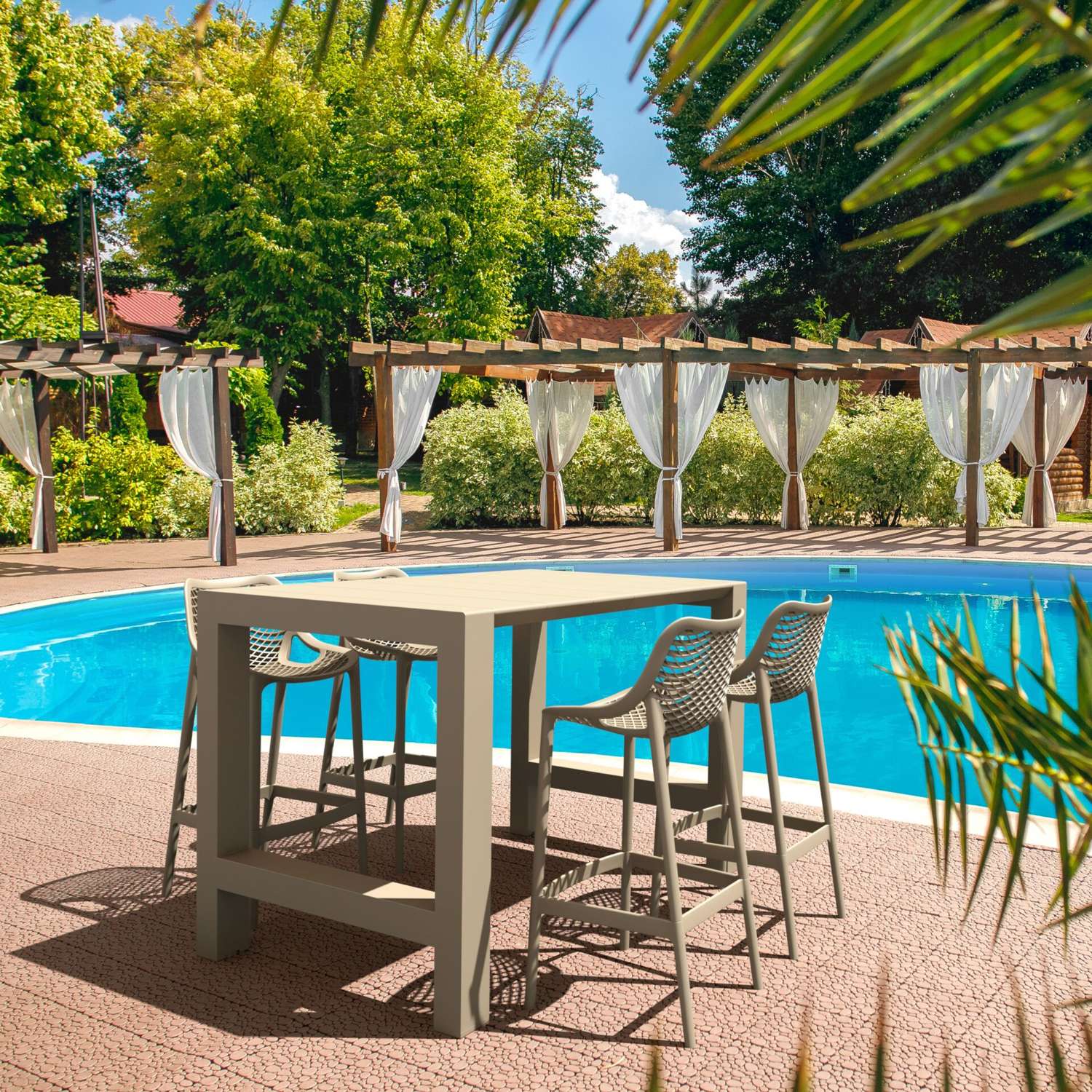
Standard bar height is taller and usually falls between 1000 and 1100 millimetres. This height is often used for outdoor bars, raised benches, and poolside counters where the focus is more on socialising than eating.
For this bar bench height, bar height stools outdoor typically have a seat height between 750 and 780 millimetres. These stools lift the body higher and create a different sitting experience.
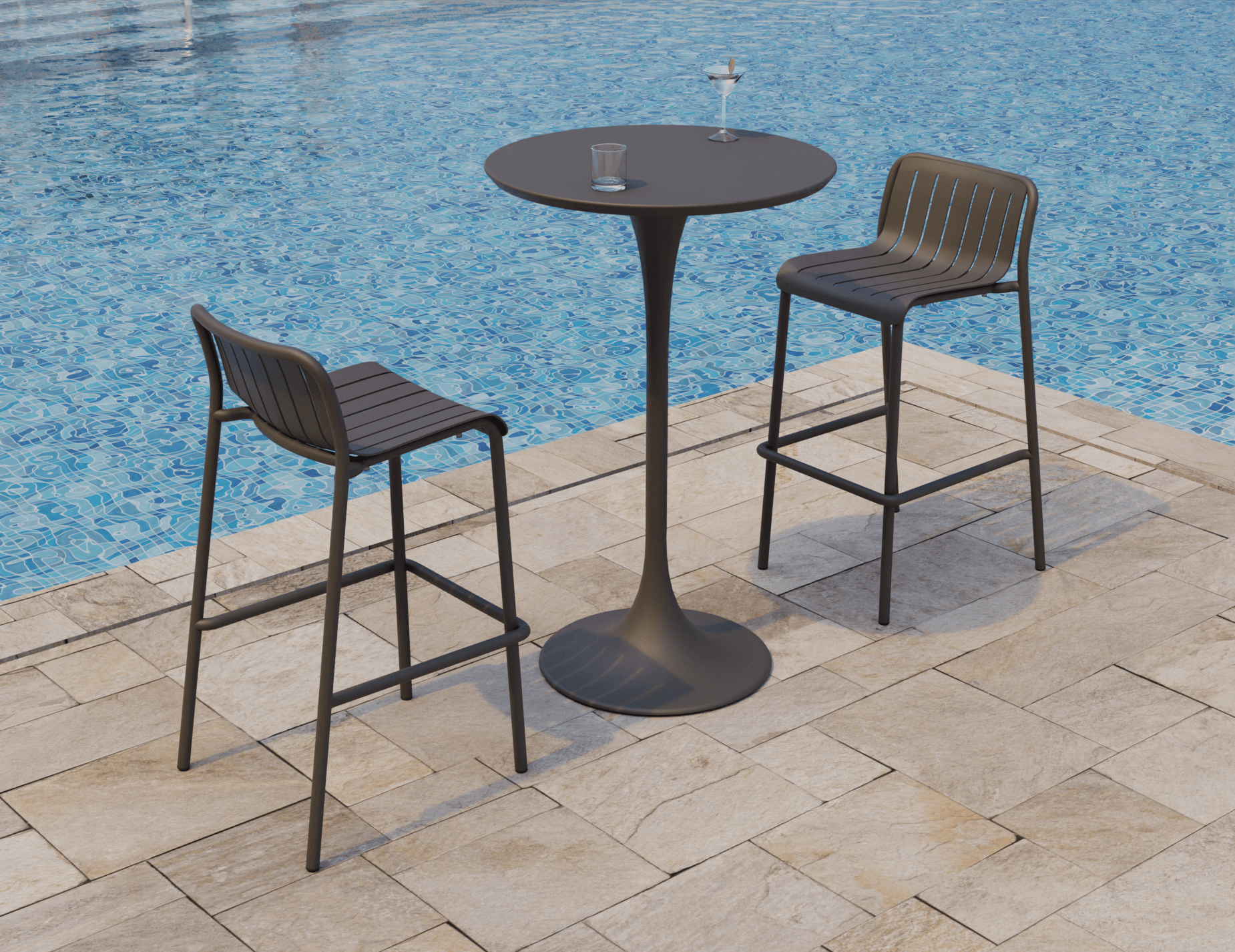
Bar height stools are popular for outdoor bar seating, alfresco bar seating, outdoor stools for poolside bar areas, and outdoor bar stools for decking. People don’t usually sit here for full meals. They sit for drinks, conversation, and short stays.
Because the seat is higher, footrest positioning becomes very important. Without proper foot support, legs hang down and the body feels unbalanced. This is one of the most common reasons bar stools feel uncomfortable outdoors.

How Counter and Bar Height Stools Feel When You Sit
The difference between counter vs bar height stools becomes clear the moment you sit down. Counter height stools feel grounded. Your body feels closer to the ground, and your weight feels well supported.
Bar height stools feel elevated. Your posture changes, and your balance depends more on the footrest. Sitting posture outdoors becomes more upright, and comfort relies on good design rather than familiarity.
This is why counter stools suit dining spaces, while bar stools suit casual, social areas. Understanding this difference helps people choose the right dining vs bar seating without regret.
Clearance Space: The Detail Most People Miss
Outdoor bar stool clearance is one of the most important details, yet it is often forgotten. Clearance is the space between the seat of the stool and the underside of the bench.
The recommended clearance for outdoor seating is usually between 250 and 300 millimetres. This leg clearance space allows knees to fit comfortably and gives room for natural movement.
If clearance is too small, knees hit the bench and sitting feels cramped. If clearance is too large, the stool feels awkward and disconnected from the bench. This rule applies to patio bar stool height, outdoor kitchen stool height, and any outdoor counter.
Clearance problems don’t show up in photos, but they are felt every time someone sits down.

Understanding Outdoor Stool Dimensions Before Buying
Outdoor stool dimensions affect comfort more than people expect. The floor-to-seat measurement tells you whether the stool matches the bench, but other measurements also matter.
Overall stool height affects how supportive a backrest feels. Seat width affects how relaxed the sitting position is. Footrest height affects balance and comfort. Base size affects stability, especially on decking or near pools.
Taking time to measure these details avoids disappointment later. Guessing almost always leads to stools that look right but feel wrong.
Footrests and Why They Matter So Much
Footrests are not just decorative. They play a key role in ergonomic seating comfort. A good footrest supports the legs and helps the body feel balanced.
Correct footrest height offset reduces pressure on the thighs and allows people to sit longer without discomfort. This matters most with standard bar height stools, where feet do not reach the ground.
Many people blame bar stools for being uncomfortable when the real issue is poor footrest positioning.
Backrest or Backless: How It Changes Use
Outdoor stools with backrest encourage people to stay seated longer. They support the back and suit relaxed residential spaces such as outdoor kitchens and home bar areas.
Backless outdoor bar stools allow quick movement. People can turn, slide, and stand easily. This makes them popular for commercial outdoor bar stools and busy alfresco settings.
Neither option is better than the other. The right choice depends on how the space will be used.

Spacing and the Flow of Outdoor Seating
Outdoor bar stool spacing changes how a space feels. When stools are too close together, people feel crowded and movement becomes awkward. When spacing is right, the area feels open and relaxed.
Good spacing improves functional seating design and makes alfresco bar seating more enjoyable. This is especially important near pools and decking, where people move around more often.
Materials That Work Outdoors in Australia
Bar stools for outdoor use must handle Australian conditions. Strong sun, sudden rain, and heat quickly damage poor materials.
Weather resistant bar stools are usually made with a powder-coated aluminium frame, stainless steel fixings, UV-stabilised materials, and marine-grade finishes. Anti-slip foot caps improve safety, especially near water, and good load-bearing capacity supports long-term use.
Material choice affects how long stools last and how safe they feel.
Poolside and Decking Considerations
Outdoor stools for poolside bar areas need extra attention. Wet surfaces increase the risk of slipping, so stability matters. Outdoor bar stools for decking must also handle small surface movements caused by weather changes.
This is why indoor stools should never be used outdoors. Indoor vs outdoor stool sizing and construction are very different, even if the stools look similar.

Commercial and Residential Outdoor Bar Stools
Commercial outdoor bar stools are built for constant use. They are strong, simple, and designed to handle many people every day.
Residential outdoor bar stools focus more on comfort and appearance. They may include backrests or cushions. Both types still rely on correct height, clearance, and spacing to feel right.
The Simple Rule That Always Works
When outdoor seating feels right, no one talks about it — they just sit and stay. It usually comes down to one simple thing: the stool matches the bench. Measure first, choose the right height, and everything else falls into place.
That’s how we think at Outdoor Furniture Co. We focus on getting the basics right — comfort, proportion, and suitability for Australian outdoor living — so our furniture doesn’t just look good, it actually gets used.
When people forget about the furniture and enjoy the moment, that’s when outdoor seating truly works.

Outdoor Bar Stool FAQs
What is the correct outdoor bar stool height?
For standard bar height benches between 1000 and 1100 millimetres, the ideal outdoor bar stool seat height is 750 to 780 millimetres. This ensures comfortable leg positioning and balanced seating.
What is the difference between counter height and bar height stools?
Counter height stools suit benches around 850 to 900 millimetres with a seat height of 650 to 680 millimetres. Bar height stools are taller and designed for higher benches, making them ideal for casual outdoor entertaining.
How much clearance is needed between the stool and the bench?
A clearance of 250 to 300 millimetres between the seat and the underside of the bench allows comfortable legroom and natural seating for patios and outdoor kitchens.
Are outdoor bar stools different from indoor bar stools?
Yes. Outdoor bar stools are designed to withstand sun, rain, and temperature changes using weather-resistant materials such as powder-coated aluminium and UV-stabilised finishes.
Should I choose outdoor bar stools with or without a backrest?
Stools with backrests offer better support for longer sitting periods, while backless stools allow easier movement and suit busy outdoor bar spaces.
How far apart should outdoor bar stools be placed?
Outdoor bar stools should be spaced far enough apart to allow comfortable seating and easy movement, creating a relaxed outdoor layout.